Teacher Valéria de Castro Alves Dies of Cancer After Inspiring Online Testimony
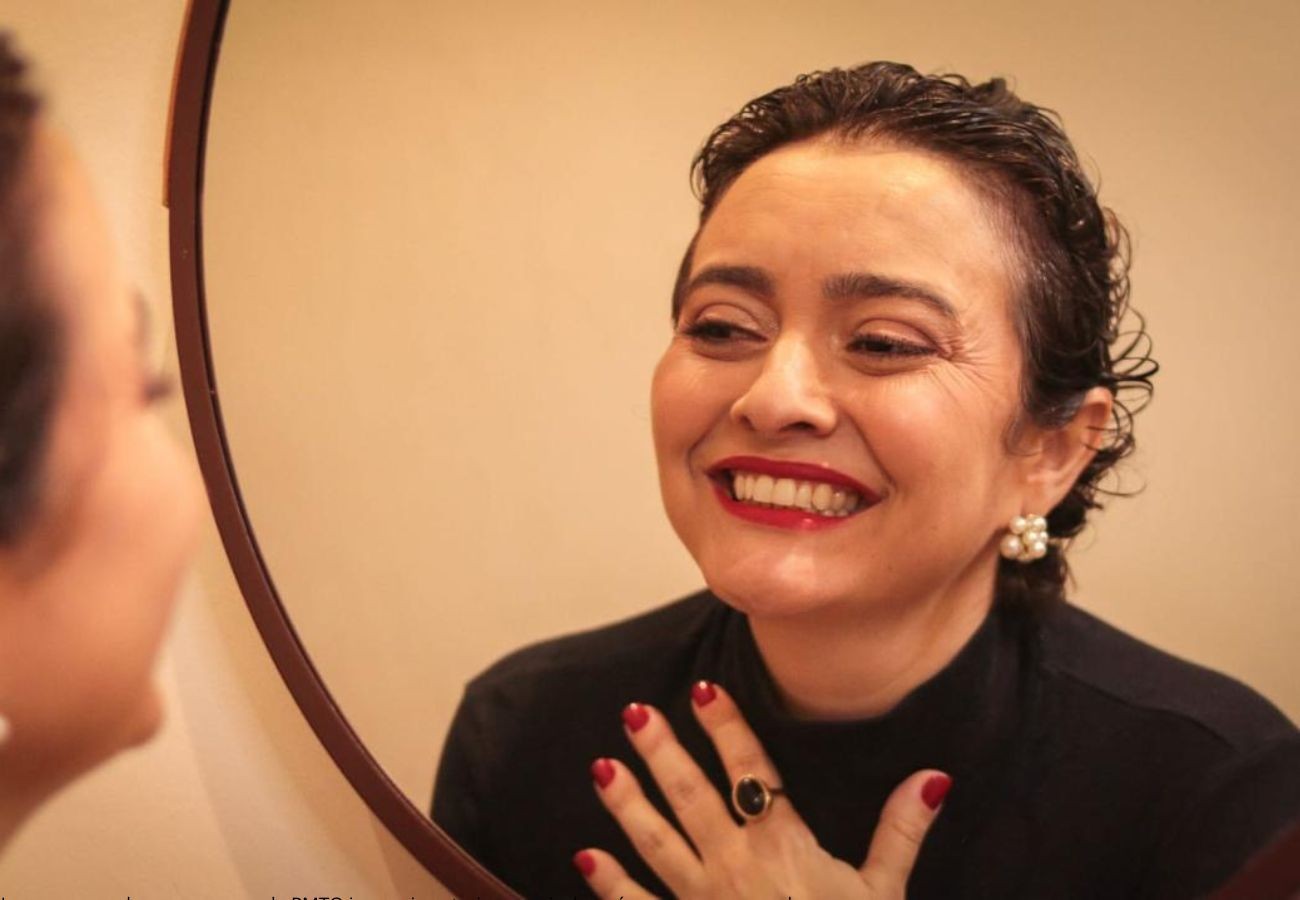
Valéria de Castro Alves, a dedicated early childhood educator from Araguaína, Tocantins, has passed away after a prolonged battle with stage four lung cancer. She died on Sunday, May 12th, following over a year of intensive treatment, including chemotherapy and medication. Initially, these treatments showed promise, reducing a significant 11 cm lung nodule to 4 cm. However, the cancer eventually became resistant and spread, leading to metastasis in her brain and affecting her nervous system. Her husband, Emersom Castro, remembered her as a "sweet, lively, and hardworking" woman who provided essential balance and stability to their family. Valéria, originally from Maranhão, was deeply committed to her profession, leaving a legacy of dedication to early childhood education in northern Tocantins. She taught at Educandário Objetivo and cared for children at the Quarta Igreja Batista. Before her passing, she shared a poignant testimony on social media expressing her deep desire to witness her children, Arthur (9) and Samuel (2), grow up, experience life milestones, and be able to hold them whenever she wished. The family faced significant challenges during her treatment, including the interruption of breastfeeding her youngest son due to the medical regimen. Valéria de Castro Alves was laid to rest on Monday, May 13th, at the Jardim das Paineiras Cemetery in Araguaína. She is survived by her husband and their two young sons.
This narrative highlights the profound impact of personal testimony in humanizing the experience of serious illness and the healthcare system's limitations. Valéria de Castro Alves's story, shared before her death, underscores the emotional toll of advanced cancer, particularly the desire for continued presence in children's lives, which medical treatments cannot fulfill. The progression of her illness, from initial positive response to treatment resistance and metastasis, illustrates a common challenge in oncology where disease adaptation can outpace therapeutic strategies. The narrative implicitly raises questions about equitable access to novel treatments, the financial burdens associated with cancer care, and the psychological support systems available for patients and their families navigating such complex journeys. The focus on her legacy in education and family provides a broader context for understanding her life beyond the illness, emphasizing the societal value of educators and the enduring strength of familial bonds.
AI-generated to prompt reflection — not editorial opinion, not advice, not a statement of fact. How this works.