Teatro Castro Alves Reopens After Fire with Presidential Visit and Gilberto Gil Performance
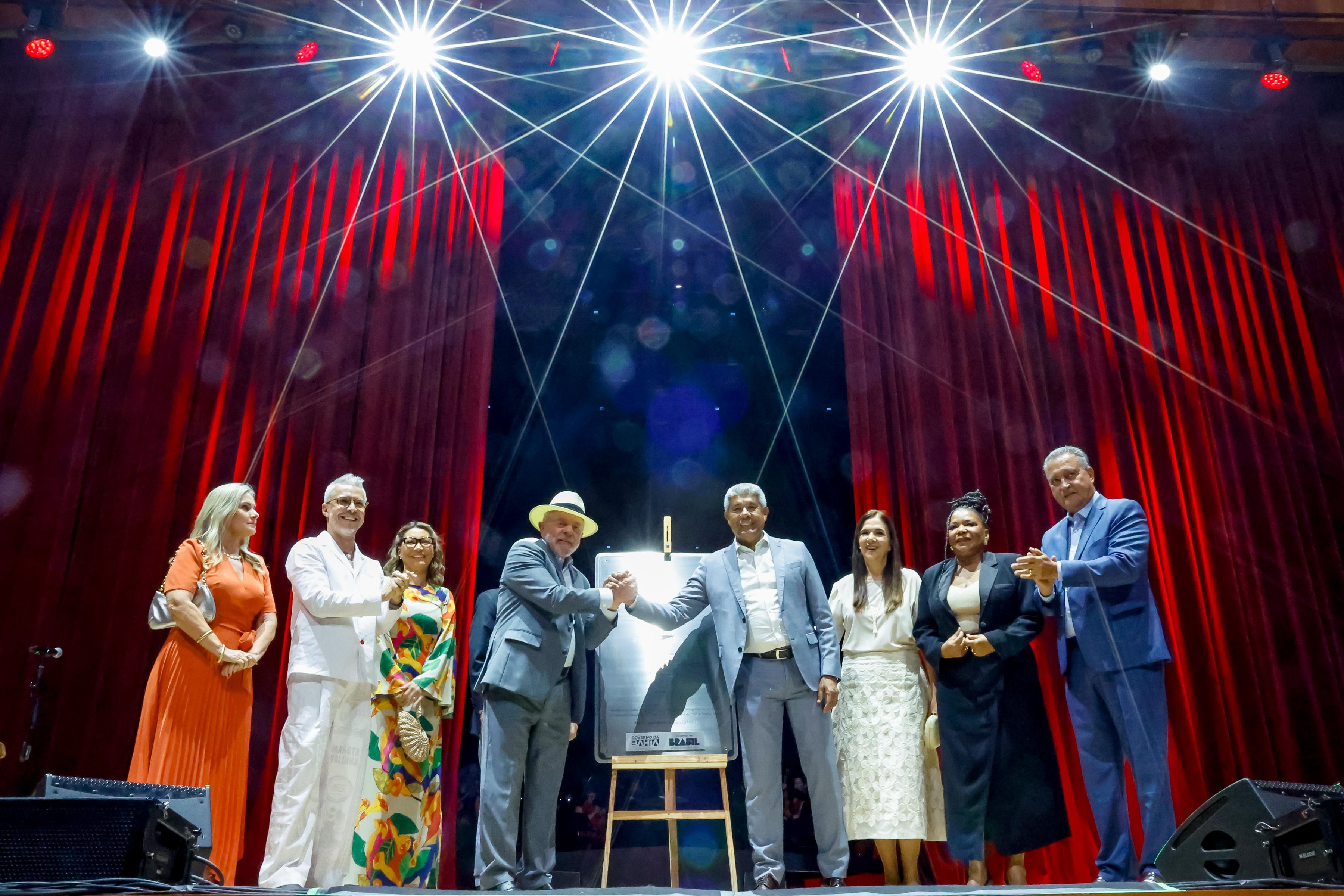
The Teatro Castro Alves, Bahia's largest theater, was officially reinaugurated on Thursday, September 1st, the day before Brazil's Independence Day celebrations in Bahia. The ceremony was attended by President Luís Inácio Lula da Silva, Bahia Governor Jerônimo Rodrigues, Minister of Culture Margareth Menezes, and other dignitaries. The theater had been closed since 2023 following a fire that damaged its roof. The extensive renovation included a complete roof replacement, an increase in the main hall's ceiling height, and enhanced stage weight capacity. The reopening event featured performances by actors from 'O Candomblé da Barroquinha,' a monologue by Jackson Costa, and musical acts. Notable attendees included Senator Jaques Wagner and ministers of Education, Racial Equality, and Tourism. The evening culminated with a performance by singer-songwriter Gilberto Gil, accompanied by the Bahia Symphony Orchestra (OSBA), under the artistic direction of Elísio Lopes and musical direction by Carlos Prazeres and Manno Góes. Gilberto Gil, who has performed at the theater multiple times since its inauguration in 1958, humorously urged for its careful maintenance to prevent future fires, referencing its history of three previous incidents. Minister of Culture Margareth Menezes praised the modernized facility, positioning it among the top theaters in Latin America.
The reinauguration of the Teatro Castro Alves, following a significant fire, highlights the resilience of cultural institutions and the importance of public investment in preserving heritage. The event, attended by high-profile government officials, underscores the symbolic value placed on cultural spaces as pillars of democratic society and national identity. The focus on structural improvements and enhanced capacity signals a commitment to modernizing infrastructure for future artistic endeavors. However, the repeated incidents of fire at the venue raise questions about long-term maintenance protocols and risk management strategies within publicly funded cultural sites. Future planning should consider robust preventative measures and potentially explore advanced fire suppression technologies to safeguard these invaluable cultural assets against recurring threats, ensuring their sustained availability for generations to come.
AI-generated to prompt reflection — not editorial opinion, not advice, not a statement of fact. How this works.