Tech Billionaires' Business Models Echo Historical Colonialism, Historian Argues
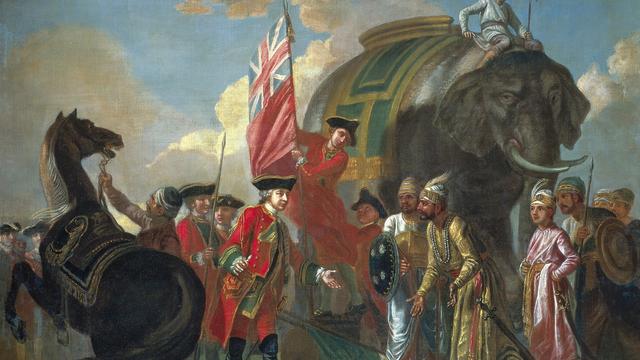
Historian William Dalrymple, in his book on the rise of the East India Company, draws parallels between historical colonialism and the business models employed by modern tech billionaires. He suggests that the strategies and operational frameworks used by the East India Company to establish and expand its influence bear striking resemblances to those seen in the contemporary tech industry. Dalrymple's work delves into the historical mechanisms of colonial expansion, examining how economic power was leveraged to gain political and social control. The comparison implies that certain fundamental principles of market dominance and resource acquisition, refined over centuries, are being replicated in new forms today. This perspective invites a critical examination of the current power structures and the long-term implications of unchecked corporate influence. The historian's insights offer a historical lens through which to understand the rapid growth and pervasive reach of major technology companies.
The comparison between historical colonialism and modern tech business models highlights recurring patterns in the acquisition and consolidation of power. Examining the East India Company's strategies through a contemporary lens suggests that principles of market penetration, resource control, and the establishment of dominant networks may be enduring features of economic expansion. This perspective prompts consideration of whether current technological advancements and global reach, while seemingly novel, are operating within historically established frameworks of influence. Understanding these dynamics can inform discussions about corporate governance, regulatory oversight, and the societal impact of concentrated economic power in the digital age, encouraging a forward-looking approach to managing the evolution of global markets and their ethical dimensions.
AI-generated to prompt reflection — not editorial opinion, not advice, not a statement of fact. How this works.