Tech Giants Divided on Restricting Chinese AI Access in the US
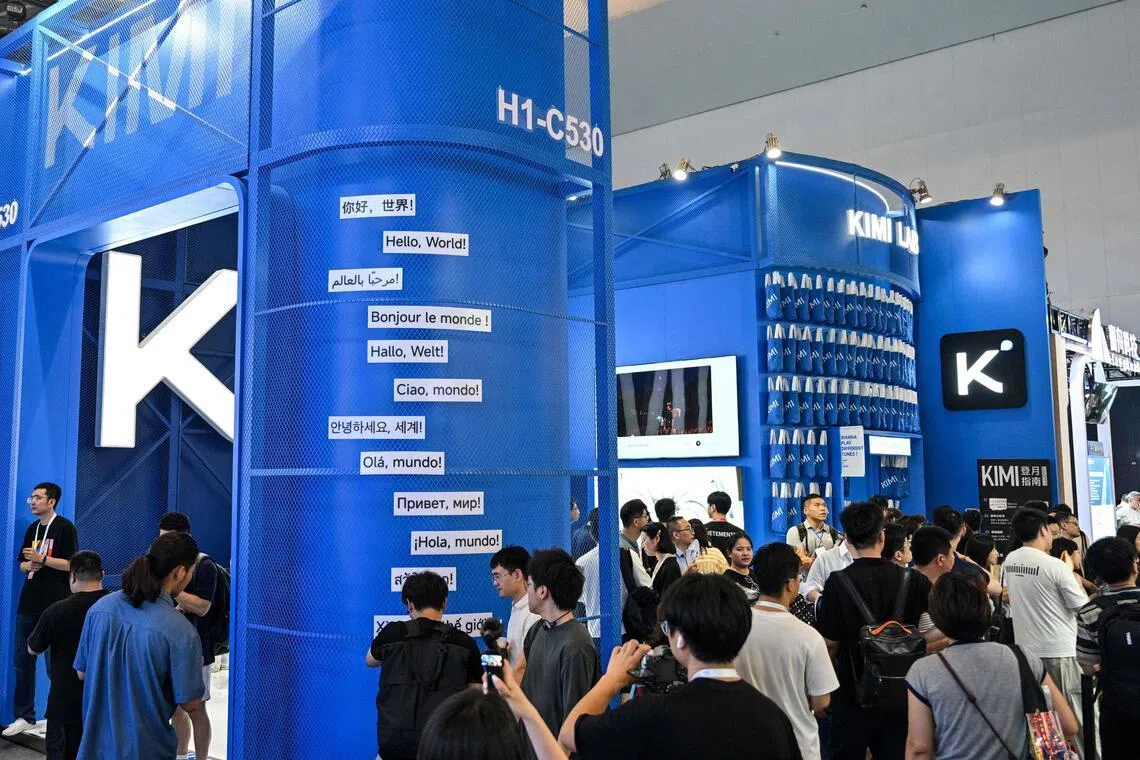
Leading artificial intelligence companies OpenAI and Anthropic are actively lobbying US regulators, expressing significant concerns regarding the proliferation of open-source AI models developed in China. These companies are advocating for stricter controls and potential border closures to prevent Chinese AI technology from entering the United States. Their primary worry revolves around the rapid advancement and potential misuse of Chinese AI, which they believe could pose a threat to national security and economic competitiveness. The lobbying efforts highlight a growing debate within the Silicon Valley tech community about how to balance innovation and collaboration with the need for national security in the rapidly evolving AI landscape. While some firms are pushing for protectionist measures, others may favor a more open approach to foster global competition and technological exchange. The outcome of these discussions could significantly shape the future of AI development and regulation in the US and globally.
The divergence between major AI developers like OpenAI and Anthropic on restricting Chinese AI access reflects a complex interplay of national security imperatives and global market dynamics. While concerns about intellectual property, data security, and potential state-sponsored misuse are valid, outright border closures could stifle innovation and cede technological leadership. The debate highlights the challenge of crafting AI governance frameworks that are both robust enough to mitigate risks and flexible enough to harness the benefits of international collaboration. Future policy decisions will need to consider the long-term implications for global AI research ecosystems and the potential for emergent technologies to outpace regulatory efforts.
AI-generated to prompt reflection — not editorial opinion, not advice, not a statement of fact. How this works.