Tech Giants Vie for Dominance in AI-Powered Weight Management
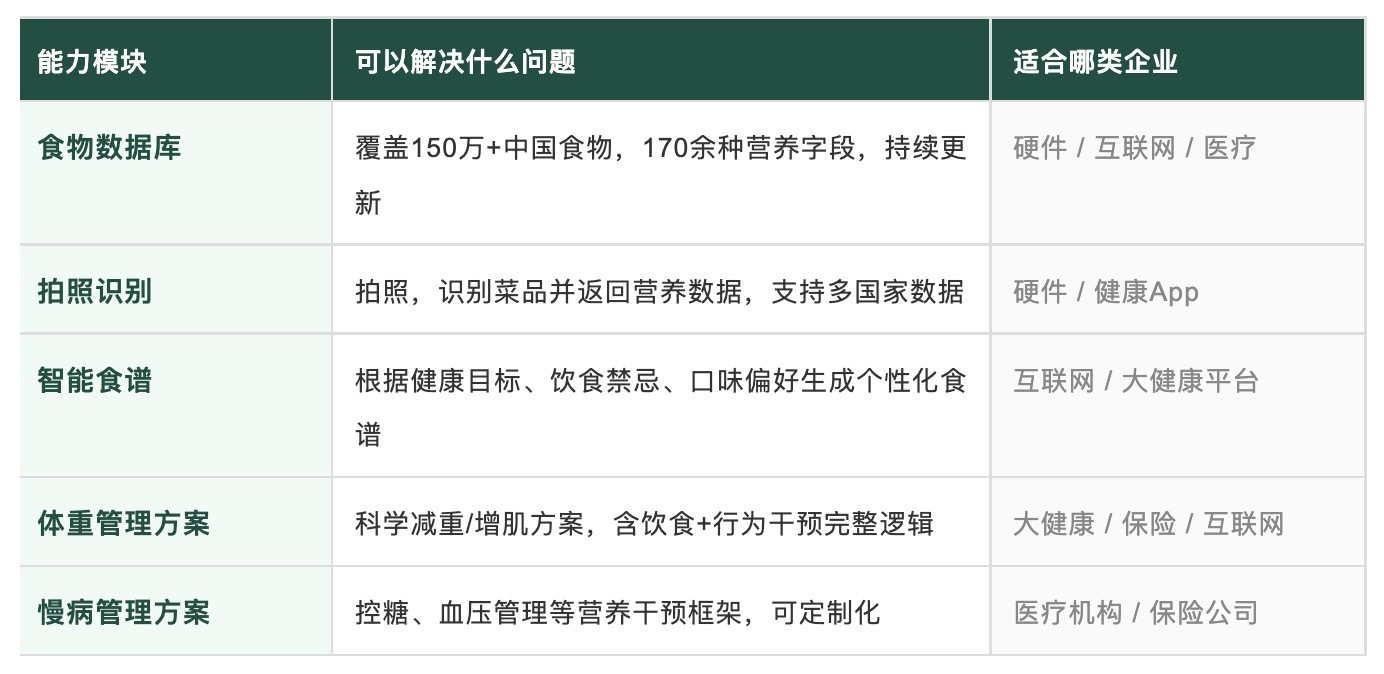
Major Chinese tech companies, including Ant Group, JD Health, and Tencent Health, are increasingly focusing on artificial intelligence (AI) applications within the healthcare sector, specifically targeting the high-demand and high-frequency "weight loss" market. Ant Group recently announced a significant investment of several hundred million RMB in Bohe Health, a digital health company specializing in weight management solutions, acquiring over 28% of its shares and becoming its largest external shareholder. Bohe Health, founded in 2008, boasts over 200 million users and an extensive food database, generating revenue through e-commerce sales of health products and membership fees. The company has also seen strong growth through collaborations with pharmaceutical companies and CROs in the serious medical field, particularly in weight management innovation. This strategic investment by Ant Group, which considers health a core pillar alongside payment and finance, aims to bolster its "Afu" health app, a key product in its health strategy. The "Afu" app currently has 100 million users and handles over 10 million daily consultations, positioning it to compete with general large language models rather than just niche health AI products. To enhance user retention, "Afu" needs to integrate deeply into specific, high-frequency scenarios like weight management. Bohe Health's extensive user data, comprehensive food database, and established AI capabilities make it an attractive partner. The company has also expanded its offerings to include an AI platform, Bohe Science.AI, for B2B clients and has obtained an internet hospital license, enabling it to provide prescription services and collaborate with medical institutions. This strategic positioning has allowed Bohe Health to capitalize on the growing market for weight management, particularly with the rise of GLP-1 drugs, serving over 400,000 individuals for consultations and treatments related to these medications. The company's revenue from weight management services reached 1.8 billion RMB in 2025, with 60% derived from paid memberships.
The intense competition among Chinese tech giants in the AI-driven weight management sector highlights a strategic shift towards high-engagement health applications. Companies are leveraging AI to address a pervasive public health concern, aiming to build user loyalty and explore new revenue streams. The focus on weight loss, a high-frequency and broad-reaching category, allows for extensive data collection and personalized service delivery, aligning with the capabilities of advanced AI models. This trend suggests a future where AI-powered health platforms become integral to daily life, potentially blurring the lines between consumer wellness and clinical medical services. The challenge lies in ensuring the ethical application of these technologies, maintaining data privacy, and validating the efficacy of AI-driven interventions beyond user engagement metrics. As these platforms mature, their long-term impact on public health outcomes and the healthcare industry's structure will warrant careful observation and regulatory consideration.
AI-generated to prompt reflection — not editorial opinion, not advice, not a statement of fact. How this works.