Tech Giants Vie for Dominance in Embodied Intelligence Race
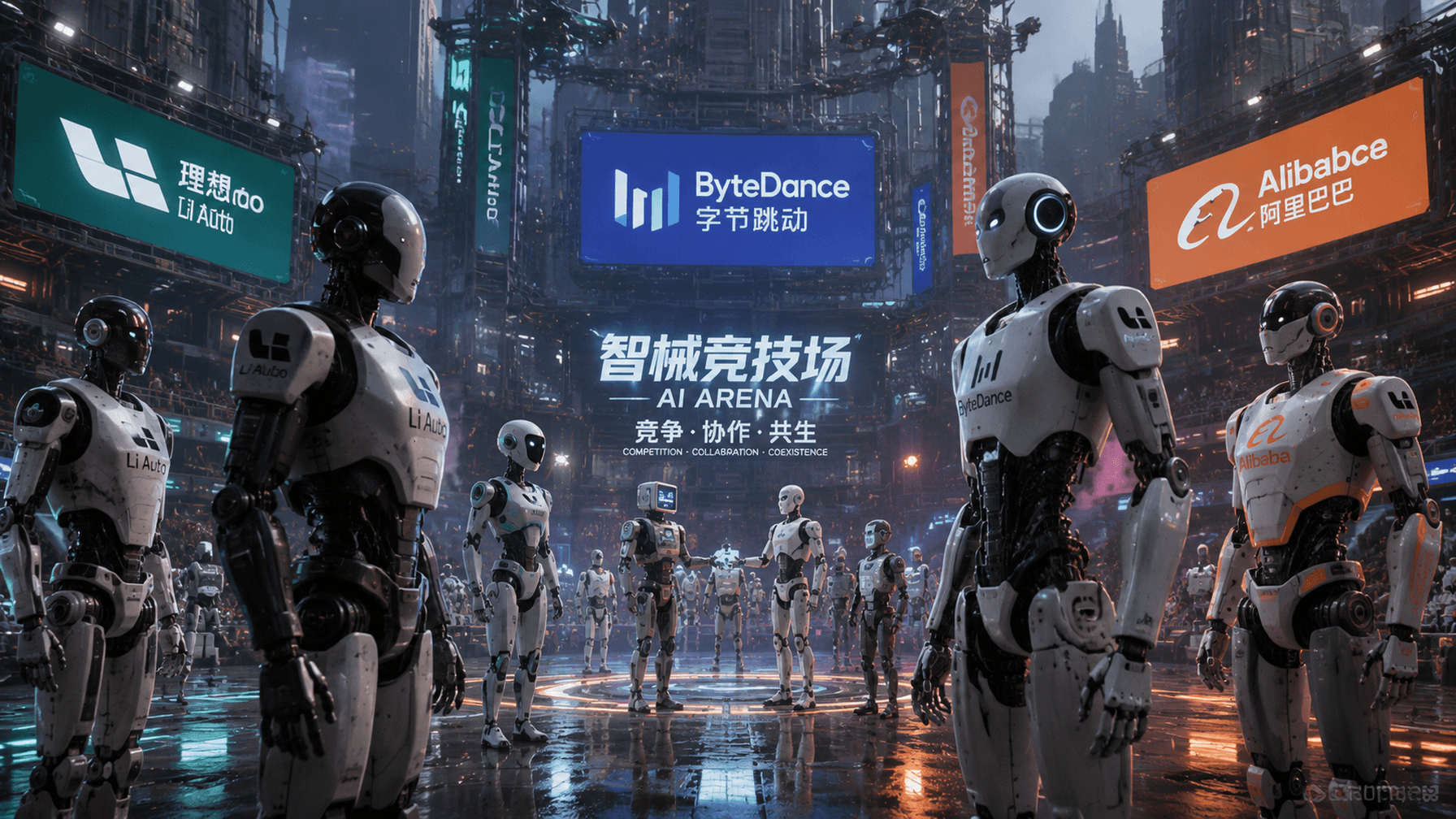
Major technology companies including Li Auto, Alibaba, and ByteDance are intensifying their efforts in the burgeoning field of embodied intelligence. This surge in activity signals a significant shift in the tech landscape as these giants compete for leadership in developing intelligent machines. The race is characterized by substantial investments and a focus on creating robots capable of complex physical interactions and decision-making. Morgan Stanley has projected a substantial market growth, forecasting that China will see sales of 2.8 million humanoid robots by the year 2026. This projection underscores the immense commercial potential and strategic importance attributed to embodied intelligence technologies. The involvement of such prominent players suggests a rapid acceleration in innovation and development within this sector. As these companies pour resources into research and development, the competition is expected to drive significant advancements in robotics and artificial intelligence. The ultimate goal is to create robots that can perform a wide range of tasks, from manufacturing and logistics to potentially more complex roles in daily life. The increasing number of participants and the ambitious sales forecasts indicate that embodied intelligence is poised to become a major technological frontier in the coming years.
The escalating competition among major tech firms in embodied intelligence reflects a strategic pivot towards integrating AI with physical capabilities, a trend likely to define the next decade. This race for humanoid robot development is driven by anticipated market demand and the potential for AI to permeate physical industries, moving beyond digital realms. While robust sales projections from financial institutions like Morgan Stanley highlight market optimism, the actualization of these figures will depend on technological breakthroughs in areas such as dexterity, energy efficiency, and safety, alongside regulatory frameworks and public acceptance. The systemic challenge lies in translating sophisticated AI algorithms into reliable, cost-effective, and versatile robotic systems that can navigate diverse real-world environments, moving beyond controlled industrial settings.
AI-generated to prompt reflection — not editorial opinion, not advice, not a statement of fact. How this works.