Technical vs. Comprehensive Reform: Politicians' Last-Minute Decisions
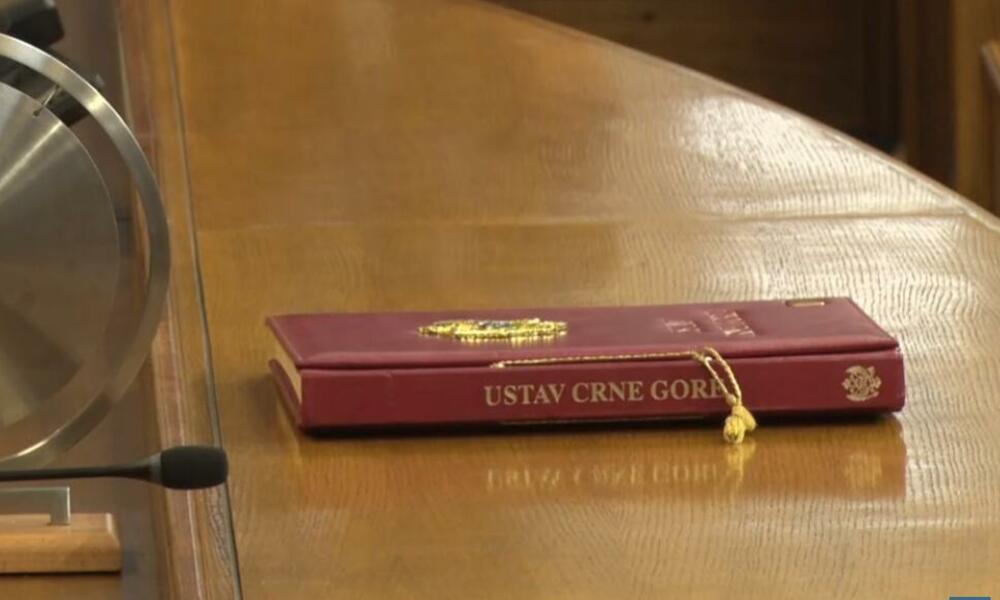
The article questions why politicians in Montenegro only reach agreements on crucial matters when facing tight deadlines. It highlights that both Brussels and the Montenegrin public are demanding action on these issues. The author expresses concern that rushing decisions under pressure could lead to mistakes, potentially necessitating further amendments to electoral laws in the future. This pattern suggests a recurring challenge in the country's legislative process, where timely and thorough reform is seemingly deferred until the last possible moment, increasing the risk of flawed outcomes.
The dynamic described suggests a potential governance challenge where legislative processes are consistently reactive rather than proactive. This pattern of waiting for 'cajtnot' (deadline pressure) may stem from political incentives that prioritize short-term negotiation gains over long-term strategic planning. Such an approach risks policy instability, as rushed legislation may require subsequent revisions, undermining public trust and potentially delaying progress on integration or domestic reforms. Future-oriented governance would benefit from establishing more robust, forward-looking legislative frameworks that anticipate needs rather than merely responding to crises.
AI-generated to prompt reflection — not editorial opinion, not advice, not a statement of fact. How this works.