Technologies and Services Common in India but Not Yet in Pakistan
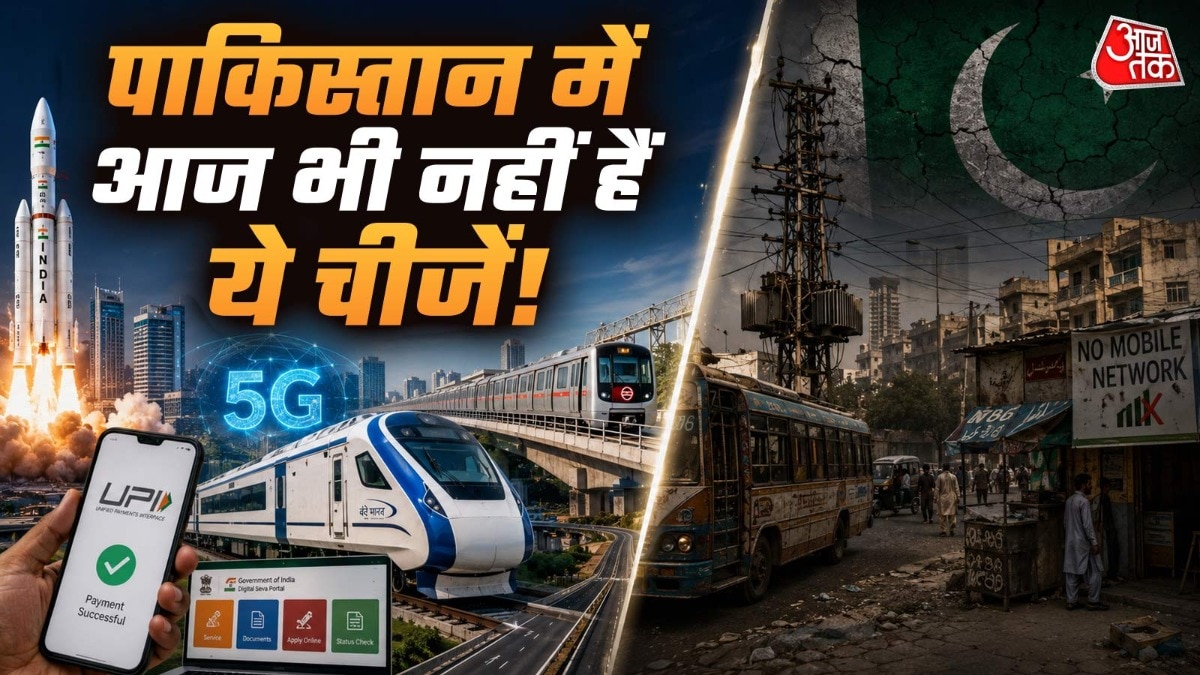
India and Pakistan gained independence simultaneously, but their developmental trajectories have diverged significantly over the decades. Currently, numerous advancements and services are commonplace in India, enhancing the daily lives of its citizens. These include the Unified Payments Interface (UPI) for digital transactions, widespread 5G mobile network availability, and the Vande Bharat express trains. Furthermore, India boasts an extensive metro rail network and a growing array of digital government services. Modern expressways have also become a common feature of the Indian landscape. In contrast, these technologies and services have not yet been widely adopted or implemented in Pakistan.
The disparity in the adoption of modern infrastructure and digital services between India and Pakistan highlights differing national priorities and investment strategies. India's focus on digital public infrastructure, like UPI, and advanced transportation, such as the Vande Bharat trains and metro networks, suggests a strategic push towards economic modernization and citizen convenience. These developments are likely driven by a combination of government policy, private sector innovation, and a large domestic market. Pakistan's slower pace in adopting similar technologies may stem from various factors, including economic constraints, political stability challenges, and differing regulatory environments. Examining these divergent paths offers insights into the impact of policy choices and resource allocation on national development and technological integration in the coming decade.
AI-generated to prompt reflection — not editorial opinion, not advice, not a statement of fact. How this works.