TECHO CEO: Emergency housing should be delivered within three months
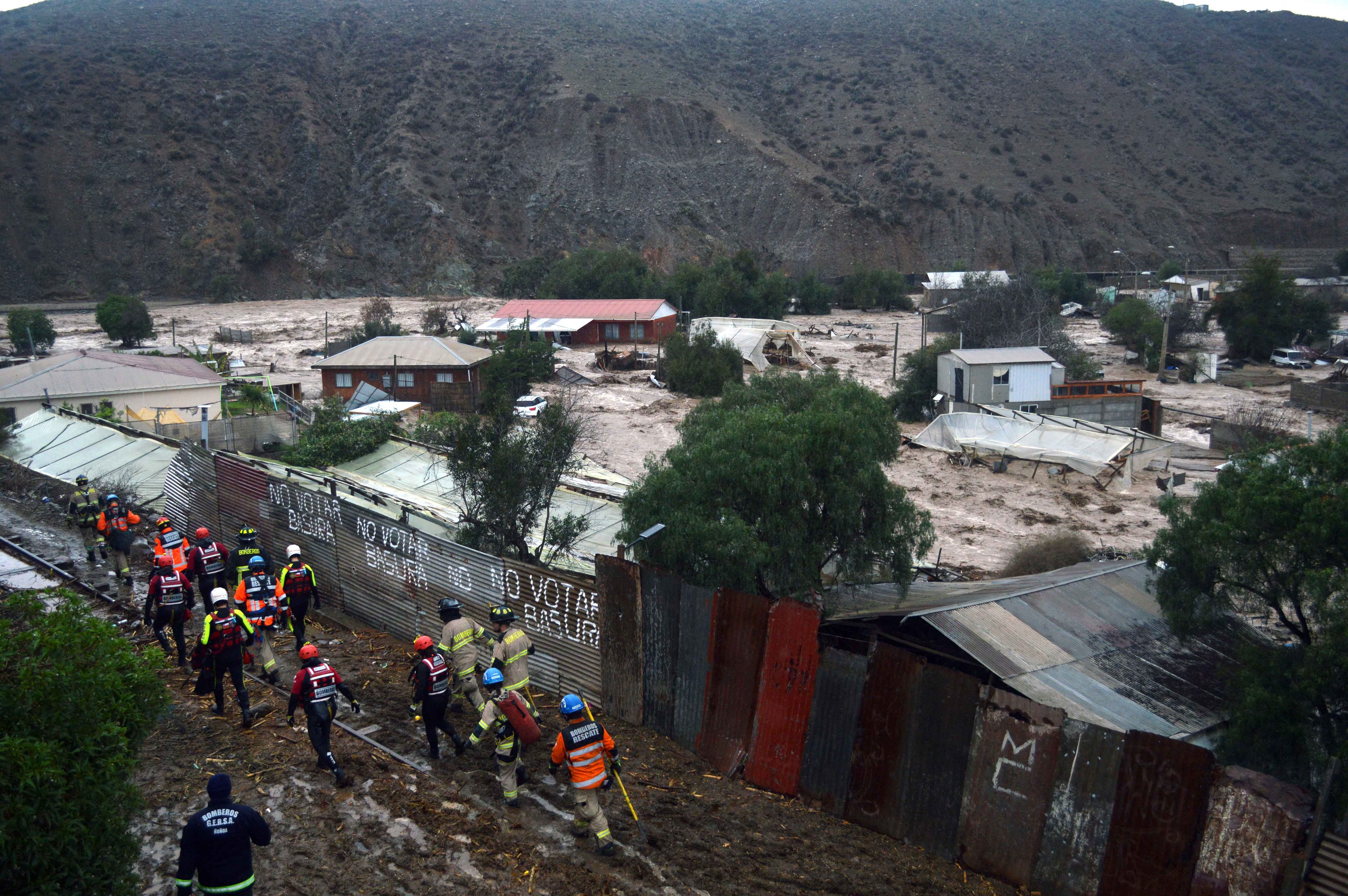
The recent frontal system in Chile's Norte Chico region has resulted in over one hundred fully destroyed homes and an additional 35,000 with some form of damage, according to Gonzalo Rodríguez, the executive director of TECHO Chile. Speaking on La Tercera's streaming program, "Desde la Redacción," Rodríguez highlighted the need for civil society and organized private entities to collaborate when state resources are insufficient. He shared the NGO's diagnosis of the situation for those affected in the Coquimbo and Atacama regions. TECHO Chile is actively working to support the construction of emergency housing for these individuals. Rodríguez emphasized that emergency housing should ideally be provided within a maximum of three months. The organization believes in always valuing emergency housing solutions. The interview also covered the NGO's strategies for assisting the affected populations.
The statement by TECHO Chile's executive director underscores a critical gap in disaster response, particularly concerning the timely provision of emergency housing. It highlights the recurring challenge of state capacity limitations in the face of widespread natural disasters, necessitating partnerships with civil society and the private sector. The emphasis on a three-month delivery timeframe for emergency housing suggests a potential systemic inefficiency or bureaucratic bottleneck in current state-led processes. This situation prompts consideration of scalable, pre-approved housing solutions and streamlined logistical frameworks that can be activated rapidly. Future disaster preparedness strategies might benefit from exploring decentralized models and advanced material technologies to accelerate reconstruction and reduce long-term displacement, ensuring greater resilience in vulnerable regions.
AI-generated to prompt reflection — not editorial opinion, not advice, not a statement of fact. How this works.