Teenage Girl Murdered in Keraniganj; Boyfriend Arrested
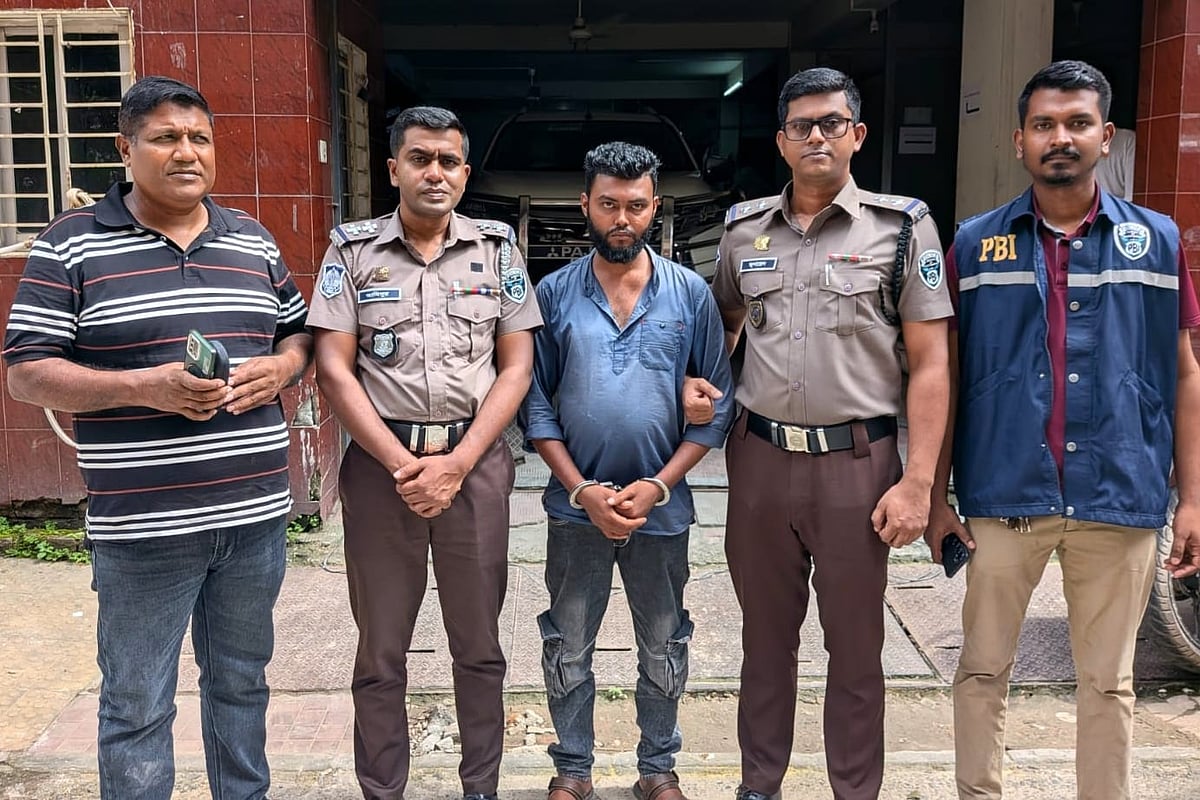
A 17-year-old girl, Mosammat Tanjila, was found murdered with her throat slit in the Madinanagar area of South Keraniganj, Bangladesh, one day after she went missing. Police recovered her body on Tuesday morning, ten days after she was last seen by her family. Her mother filed a murder case with the Keraniganj Model Police Station. The Police Bureau of Investigation (PBI) has arrested Rana Hawladar, 30, from Rajendrapur area of Keraniganj, on suspicion of the murder. PBI officials stated that Hawladar is Tanjila's boyfriend and has confessed to the crime, providing a judicial statement to the court. He has since been sent to jail. PBI Dhaka District Superintendent of Police M.N. Morshed informed the media that Tanjila lived with her family near the Dhaka Central Jail in Keraniganj. Following her disappearance on Monday afternoon, her body was discovered the next morning. PBI took over the investigation and, using evidence and technology, identified and located Hawladar, arresting him late Wednesday night. The murder weapon, two smartphones belonging to Tanjila, and her jewelry were recovered based on Hawladar's information. Further details revealed by the investigating officer, PBI Dhaka District Sub-Inspector Md. Saidul Haque, indicate that Hawladar, an auto-rickshaw driver, has been previously married twice, with both marriages ending in divorce. He had developed a relationship with Tanjila approximately eight months prior, but their relationship recently deteriorated, leading to his alleged plan to kill her. SI Haque stated that on Monday night, Hawladar took Tanjila to an empty housing plot in Madinanagar via his auto-rickshaw, where an argument ensued, culminating in him slitting her throat and fleeing with her phones and jewelry.
This tragic event highlights the critical need for robust support systems and accessible mental health resources within communities, particularly for young individuals navigating complex relationships. The alleged motive, stemming from a relationship's deterioration, underscores the potential for interpersonal conflicts to escalate severely when underlying issues of emotional regulation and conflict resolution are not adequately addressed. From a systemic perspective, the investigation's reliance on technological tools for identification and arrest demonstrates the evolving capabilities in law enforcement, yet the underlying societal factors contributing to such violence require proactive, preventative interventions. Future efforts should focus on fostering healthier relationship dynamics, promoting emotional intelligence education, and ensuring that individuals like the perpetrator have avenues for support to manage personal crises constructively, thereby mitigating the risk of such devastating outcomes.
AI-generated to prompt reflection — not editorial opinion, not advice, not a statement of fact. How this works.