Teenage Pregnancies Drive One-Fifth of Nepal's Air Ambulance Services
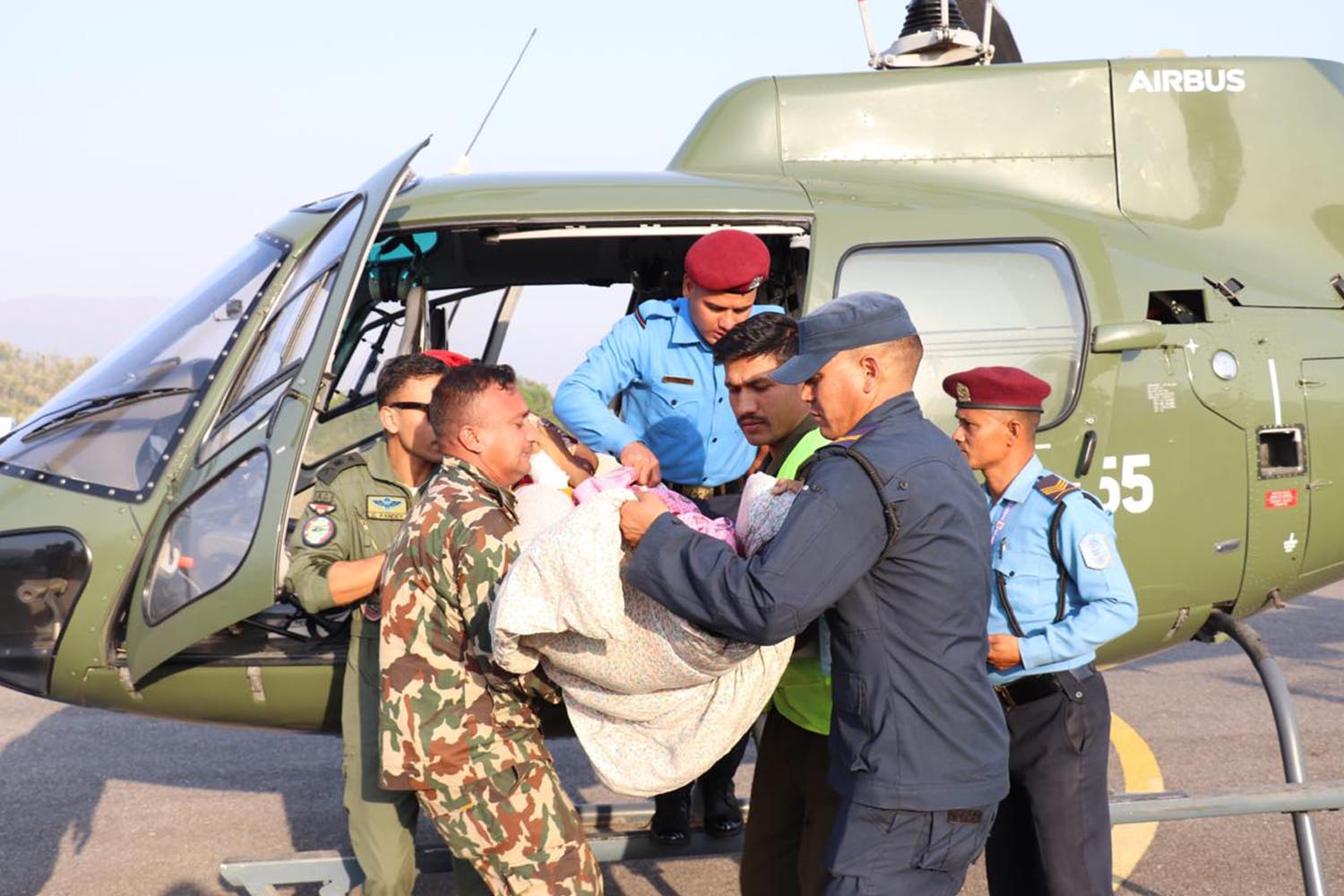
A significant portion of emergency air evacuations in Nepal are related to teenage pregnancies, highlighting the persistent issue of early marriage despite legal prohibitions. Approximately one in five such medical airlifts involves girls under the age of 20. This situation underscores the ongoing challenge of enforcing Nepal's law, which sets the minimum age for marriage at 20. Many young girls continue to enter into marriage before this age, leading to early pregnancies and subsequent medical emergencies. These evacuations often require specialized transport due to the critical condition of the mothers and their infants. The data points to a critical public health concern, with young mothers and their newborns facing heightened risks. Addressing this issue requires a multifaceted approach that tackles the root causes of child marriage and improves access to reproductive healthcare for adolescents. The reliance on air ambulances suggests that these emergencies often occur in remote areas with limited local medical facilities. The government faces a substantial challenge in ensuring that protective laws are effectively implemented and that vulnerable young women receive adequate support and healthcare.
The high rate of teenage pregnancies necessitating air evacuations in Nepal points to a disconnect between legal frameworks and societal realities concerning child marriage. This situation reflects systemic challenges in law enforcement and the provision of accessible reproductive health services, particularly in remote regions. The reliance on costly air transport for these emergencies indicates a failure to provide adequate preventative care and localized medical support for young mothers. Future policy interventions should focus on strengthening community-based health programs, enhancing educational opportunities for girls, and implementing more effective mechanisms to combat child marriage. Addressing the underlying socioeconomic factors that contribute to early unions and pregnancies will be crucial for reducing the burden on emergency medical services and improving maternal and child health outcomes over the next decade.
AI-generated to prompt reflection — not editorial opinion, not advice, not a statement of fact. How this works.