Teenager Dies After School Bus Accident in Arcoverde
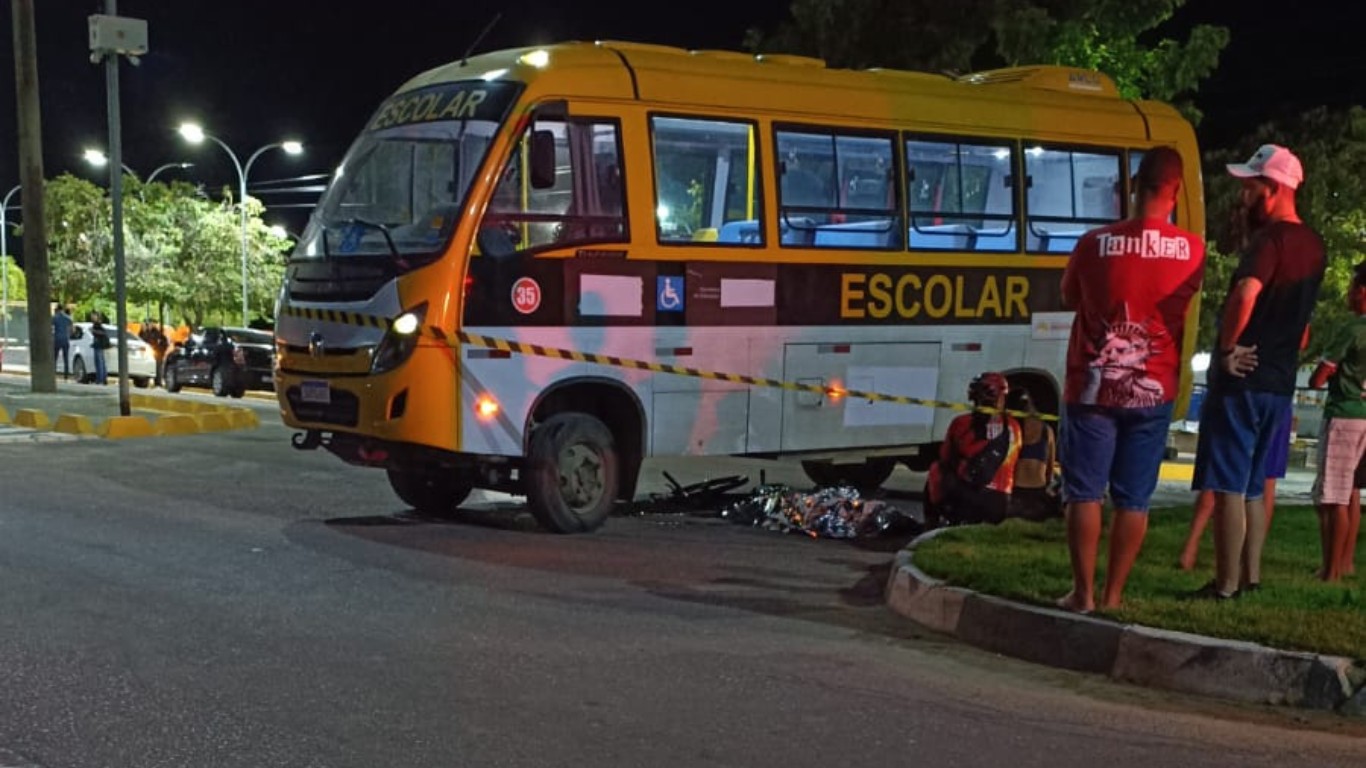
A teenager has died following an accident involving a school bus on the evening of Thursday, May 30th, in Arcoverde, located in the Sertão region of Pernambuco, Brazil. The collision occurred at the roundabout of the municipal bus terminal in the São Cristóvão neighborhood. The victim has been identified as Carlos Eduardo Oliveira de Lima; his exact age was not confirmed at the time of reporting. The Civil Police of Pernambuco has registered the incident as a fatal accident at the Arcoverde Police Station and has opened an investigation to determine the circumstances and causes of the crash. The Arcoverde City Hall stated that it is providing necessary assistance to the student's family and has initiated an administrative procedure to investigate responsibilities with rigor and transparency. In honor of the young man's memory, the city hall canceled the planned ceremonies for the inauguration of reforms at Gumercindo Cavalcanti School, which were scheduled for Friday, May 31st. Carlos Eduardo was a first-year student at Jornalista Edson Régis School. This institution issued a statement of condolence and, out of respect for the grief of the entire school community, suspended classes for Friday.
This tragic event underscores the critical importance of road safety protocols, particularly concerning school transportation. The investigation into the accident's causes by the Civil Police and the administrative procedure initiated by the City Hall aim to establish accountability and prevent future occurrences. The swift response from municipal authorities, including providing family support and canceling public events, reflects a commitment to community welfare. Moving forward, a thorough review of traffic management at municipal bus terminals and the operational safety of school buses is warranted. This incident serves as a somber reminder of the systemic need for continuous vigilance in public infrastructure and transportation safety, especially when vulnerable populations like students are involved, to mitigate risks in densely trafficked areas.
AI-generated to prompt reflection — not editorial opinion, not advice, not a statement of fact. How this works.