Teenager Killed, Two Injured in Salvador Car Shooting
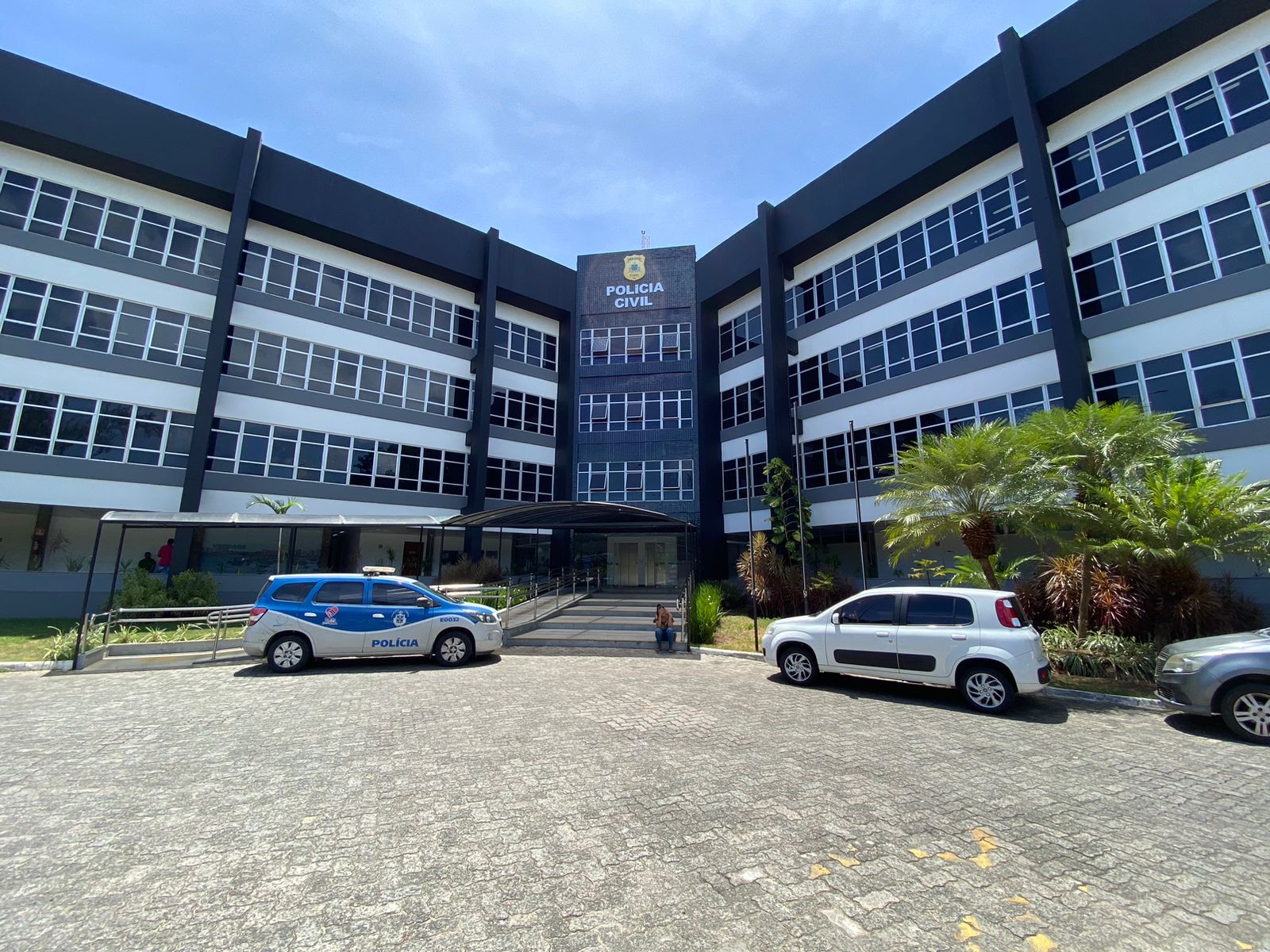
An armed attack targeting a car in Salvador, Brazil, resulted in the death of a 17-year-old boy and injuries to two other individuals on Tuesday night, May 14th. The incident occurred around 9:15 PM on Rua Álvaro da Franca Rocha in the Cajazeiras IV neighborhood. The victims were inside their vehicle when occupants of another unidentified car opened fire, discharging multiple shots. The deceased teenager has been identified as Gabriel Barbosa. He was transported to Eládio Lasserre Hospital by military police officers but succumbed to his injuries. The other two victims, identified as the teenager's father and a colleague who was also in the car, received medical attention from the Mobile Emergency Care Service (Samu). One was taken to Eládio Lasserre Hospital, and the other to the State General Hospital (HGE). Authorities have stated that both individuals are not in life-threatening danger. Following the shooting, military police from the 22nd Battalion secured the scene and increased police presence in the area. The Technical Police Department (DPT) was called to conduct forensic analysis. The perpetrators and the motive behind the crime remain unknown and are currently under investigation by the Civil Police.
This incident highlights the persistent challenges of urban violence and gun crime in Salvador. The attack, which targeted individuals in a moving vehicle, suggests a level of premeditation and potentially organized criminal activity, though official investigations are ongoing. The rapid response by emergency services and police underscores the immediate public safety concerns, but the lack of known motive or identified perpetrators points to systemic issues in intelligence gathering and crime prevention. As cities grapple with such violence, focusing on community-based safety initiatives, improved surveillance technologies, and addressing socio-economic factors that may contribute to crime will be crucial for long-term stability and security.
AI-generated to prompt reflection — not editorial opinion, not advice, not a statement of fact. How this works.