Teenager Receives Bone Marrow Transplant from Cousin After Leukemia Diagnosis
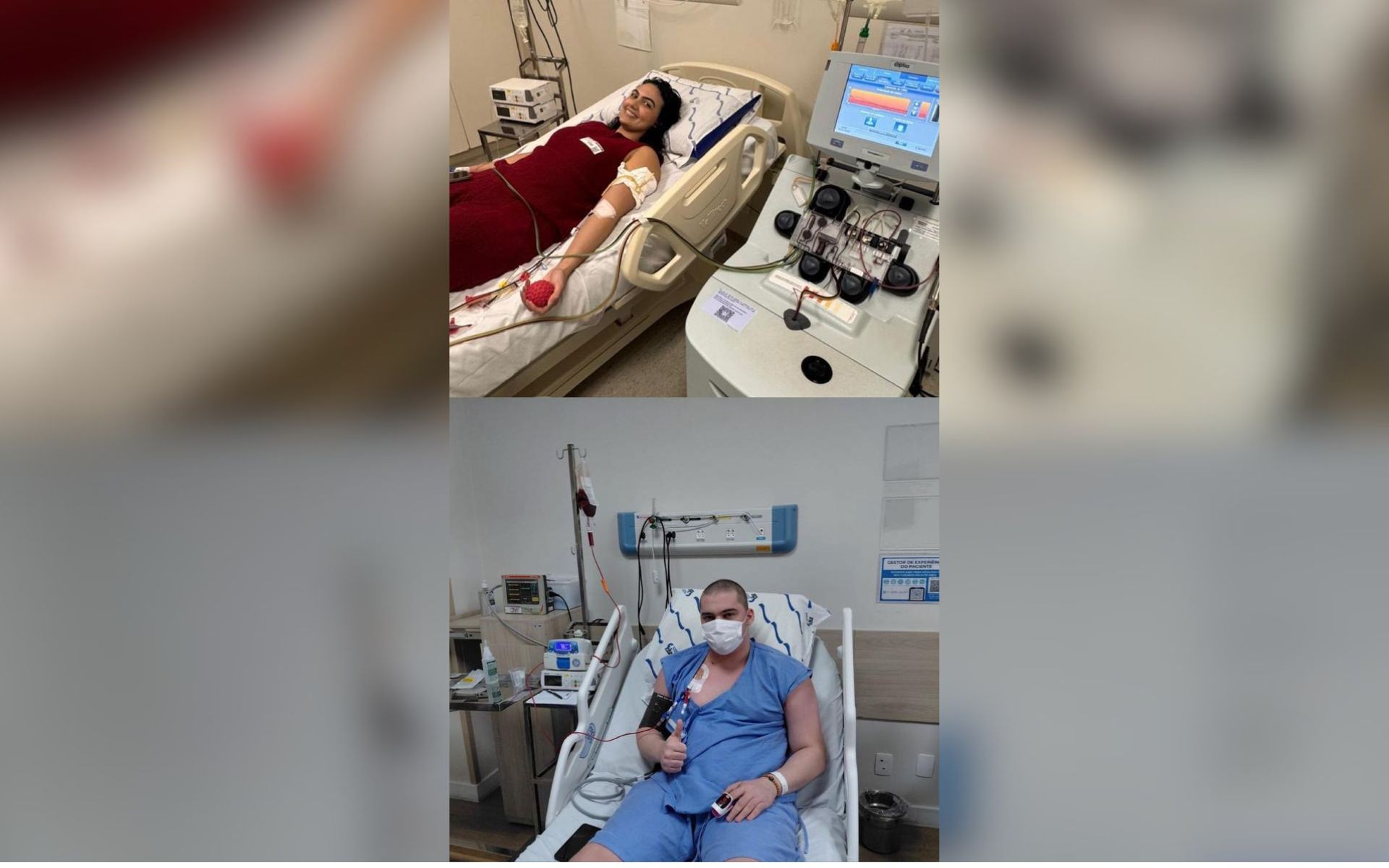
José Pedro da Silva, a 17-year-old student from Mirassol, São Paulo, received a life-saving bone marrow transplant from his cousin, Gabriela Pedro, 26, one year after being diagnosed with leukemia. The diagnosis left him with no alternative but a transplant, as other treatments were insufficient to control the disease. Initially, he faced the prospect of waiting for a compatible donor through the National Registry of Voluntary Bone Marrow Donors (Redome), where the chances of finding an unrelated match are as low as one in 100,000. José Pedro described the initial diagnosis as incredibly difficult, with doctors emphasizing the necessity of the transplant from the outset. Fortunately, further examination revealed a significant compatibility of approximately 50% with his cousin, Gabriela, an transport analyst. The procedure took place on April 29th at the Base Hospital in São José do Rio Preto, São Paulo. José Pedro expressed immense gratitude to Gabriela for giving him a second chance at life. Approximately one month post-transplant, he returned home to continue his recovery, which involves precautions like avoiding crowded places and wearing a mask. He described the transplant procedure itself as straightforward, similar to a blood transfusion, and is currently managing his recovery with medication and reduced social contact. This positive outcome contrasts with the reality for many, as only about 25% of patients find compatible family donors, and over 2,500 individuals are estimated to be on the waiting list for a compatible donor in Brazil, highlighting the critical need for public awareness regarding bone marrow donation.
This case highlights the critical role of familial connections in overcoming rare medical challenges like leukemia, particularly when unrelated donor matches are statistically improbable. The narrative underscores the emotional and physical toll of such diagnoses on young individuals and their families, while also celebrating the success of a timely medical intervention. It implicitly raises questions about the accessibility and efficiency of national donor registries, as the fortunate outcome for José Pedro contrasts sharply with the lengthy waiting lists faced by thousands. The story serves as a powerful public health message, emphasizing the societal benefit of increasing bone marrow donor participation to improve outcomes for those awaiting transplants, thereby mitigating the inherent risks and uncertainties associated with delayed or unavailable treatment options.
AI-generated to prompt reflection — not editorial opinion, not advice, not a statement of fact. How this works.
