Teenager Repeats School Year After Family's Tomato Harvesting Trip to Brazil
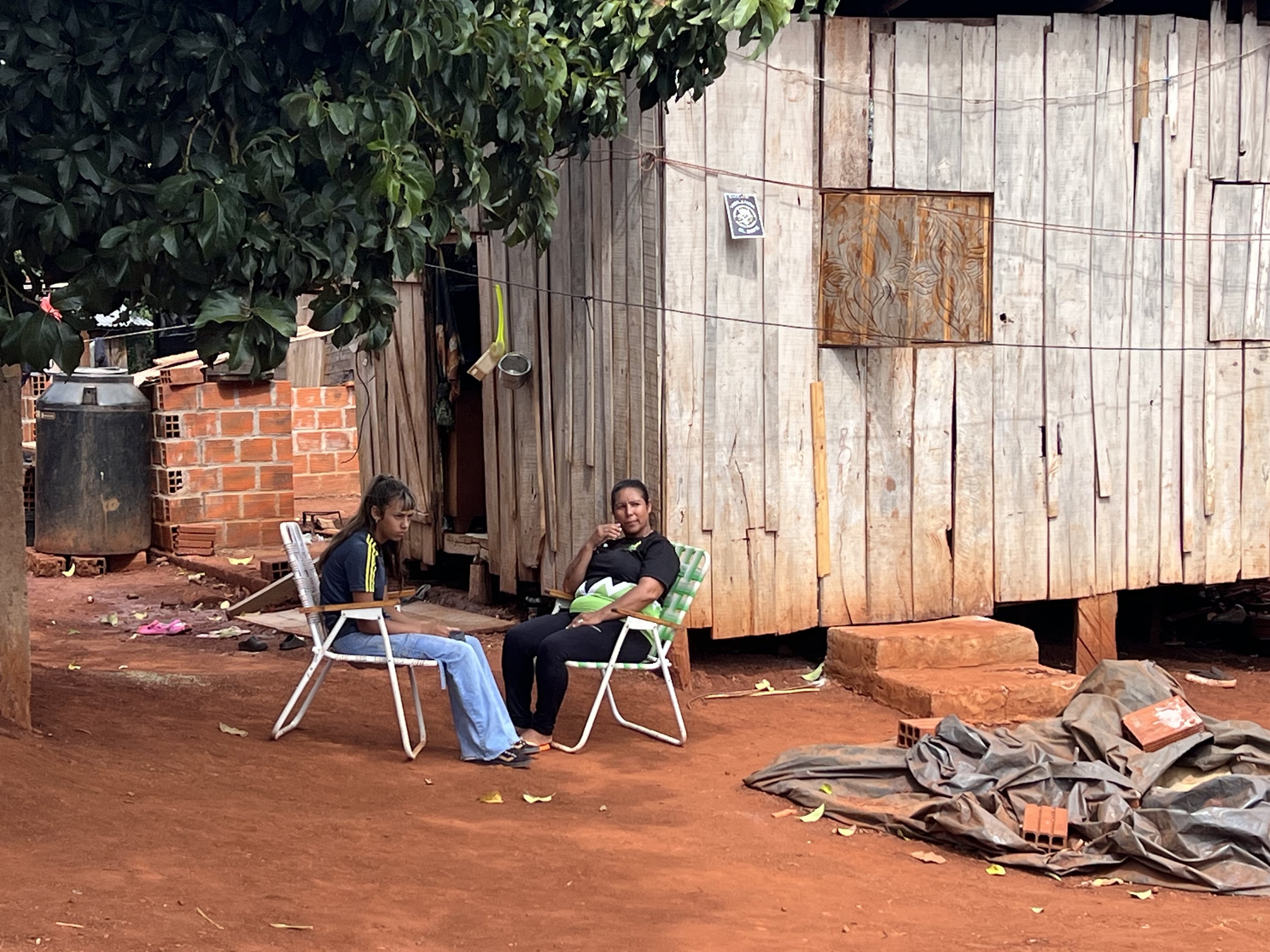
A 14-year-old student, Antonela, was forced to repeat a year of secondary school after her family traveled to Brazil to harvest tomatoes. The family's decision to seek agricultural work abroad resulted in Antonela missing a significant portion of her education. She is now in her first year of secondary school, having had to restart her academic progress. The story highlights the educational challenges faced by students whose families engage in seasonal agricultural labor. Antonela's family returned to Andresito in April, as the tomato harvesting season concluded and the yerba mate production in their home region began to resume. She now attends Provincial Oriented High School BOP N 124, which operates in a repurposed building originally intended as a supermarket. This temporary facility was provided by the municipality to accommodate the need for a secondary school in the outskirts of Andresito. The school has been divided into makeshift classrooms for different grade levels. Antonela walks five blocks to school each day, carrying her backpack. She participates in the morning flag-raising ceremony before class begins. During a break, she joins friends to chat, while others play volleyball or use their phones. The school's director, Fabiana Vázquez, is actively involved in managing the school's operations.
This situation underscores the complex interplay between economic necessity and educational continuity for families engaged in seasonal agricultural labor. The need to pursue work abroad, while potentially providing income, can lead to significant disruptions in a child's schooling, as seen with Antonela repeating a year. This highlights systemic challenges in ensuring equitable educational access for transient or economically vulnerable populations. Future policy considerations might explore support mechanisms for such families, perhaps through flexible educational programs or vocational training that aligns with agricultural cycles, to mitigate the impact on student progression. The repurposing of a former supermarket for educational use also points to resource constraints and the creative, albeit temporary, solutions employed by local authorities to meet community needs.
AI-generated to prompt reflection — not editorial opinion, not advice, not a statement of fact. How this works.