Teenager's dream trip to Copacabana turns into nightmare after he vanishes at sea
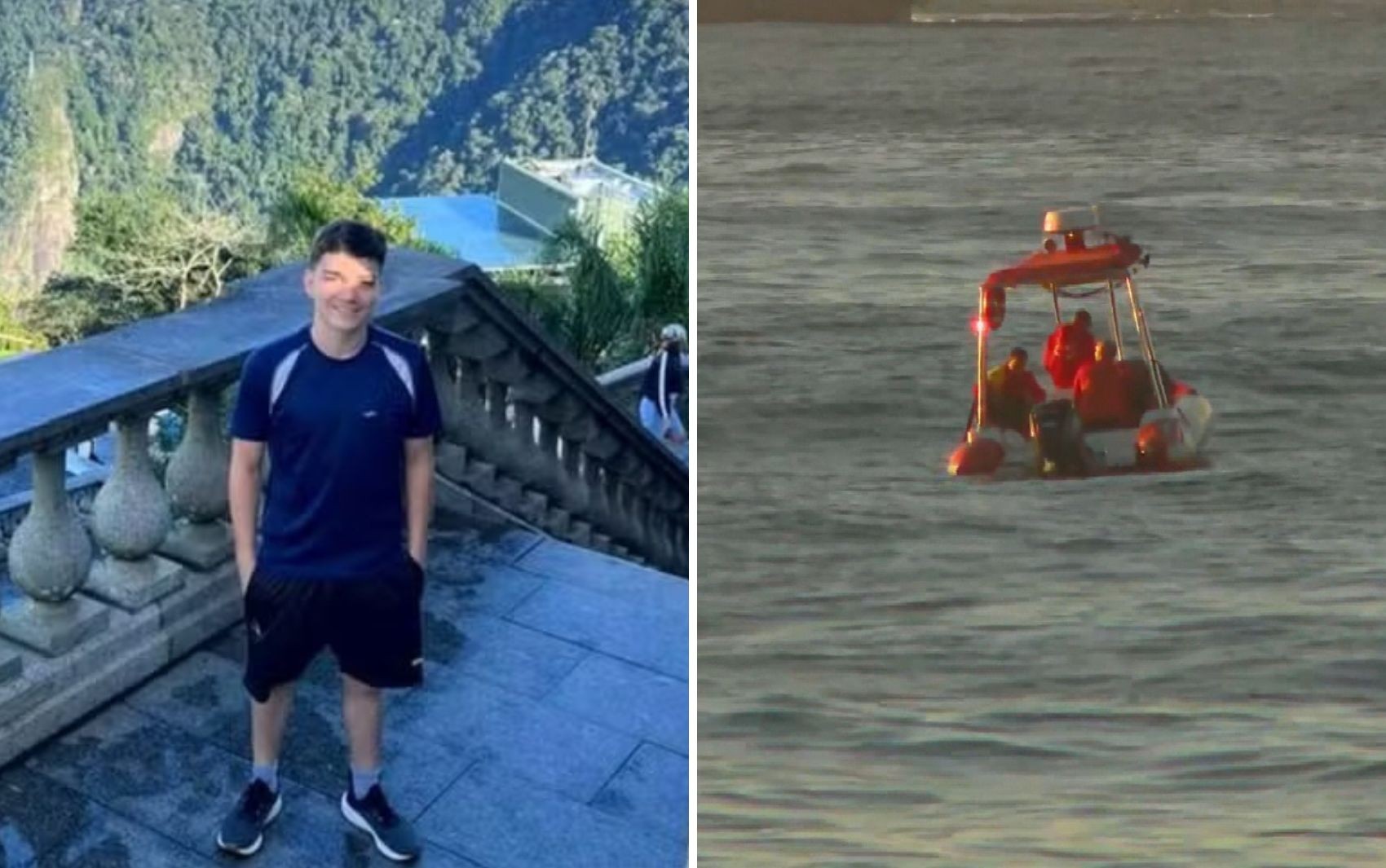
A 17-year-old boy, Khallew Gharetty Tomaz Carvalho, has disappeared at Copacabana beach in Rio de Janeiro, Brazil, during a trip with friends. His father, Otoniel França, shared that visiting the beach and flying were his son's lifelong dreams, which he had saved up for by taking on extra work for two months. This dream vacation has tragically transformed into a nightmare. Khallew vanished on Tuesday, the 14th, after being swept away by a strong current near the Copacabana Palace. He was with two friends, Adryan Damasceno and Edson Luiz de Araújo Filho, both 20 years old, when the incident occurred. Adryan recounted that they were in waist-deep water when a series of powerful waves hit, pulling Khallew further away. He described his helplessness, watching his friend struggle against the current. The search for Khallew is ongoing, with the Fire Department deploying boats, jet skis, divers, and aerial support via drones, adapting their efforts to the sea conditions. The Civil Police have registered the case at the 12th DP (Copacabana) and transferred it to the Missing Persons Department (DDPA). The group of four friends was near the Copacabana Palace around 3:20 PM when a particularly large wave struck them.
This incident highlights the inherent risks associated with recreational activities in powerful natural environments, even for individuals who have meticulously planned and saved for such experiences. The narrative emphasizes the tragic intersection of a young person's aspirations with unforeseen environmental dangers, underscoring the need for constant vigilance and robust safety protocols in popular tourist areas. From a systems perspective, the event prompts reflection on the adequacy of maritime safety measures and public awareness campaigns in densely populated coastal zones. Future considerations should involve enhanced real-time risk assessments for beachgoers, particularly concerning unpredictable currents, and improved communication strategies to disseminate critical safety information effectively. The focus should be on systemic preparedness and preventative measures rather than solely reactive responses to incidents.
AI-generated to prompt reflection — not editorial opinion, not advice, not a statement of fact. How this works.