Teenager's Leg Amputated After Severe Alcohol Explosion Burns in Rio Branco, Acre
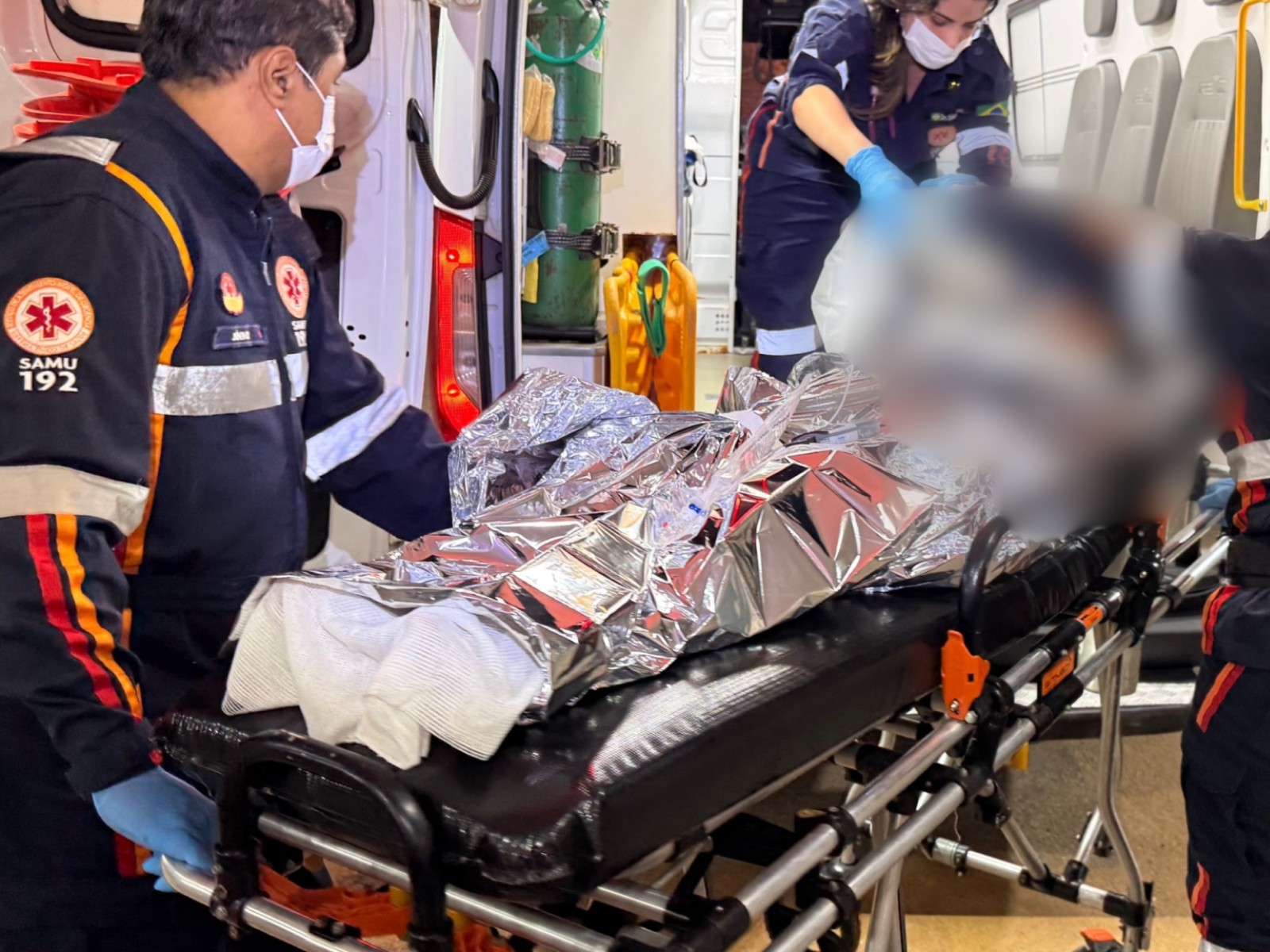
A 16-year-old girl in Rio Branco, Acre, has had her left leg amputated due to severe burns sustained in an alcohol-fueled explosion. The incident occurred on June 27 during a gathering when the teenager poured approximately five liters of alcohol onto an open flame, causing a powerful explosion. She suffered burns covering about 80% of her body, affecting her face, neck, chest, abdomen, back, buttocks, and limbs. Initially experiencing first and second-degree burns, her condition worsened, leading to necrosis and thrombosis in her left leg, necessitating an amputation below the knee. Due to complications including ischemia, the amputation had to be extended above the knee. The victim was intubated at the scene and remains in critical condition in the Intensive Care Unit (ICU), sedated and on mechanical ventilation. She requires further surgeries for necrotic tissue removal and is being monitored for potential complications in her right leg and upper limbs, which also sustained deep burns and significant tissue loss. The Acre Fire Department warns against the extreme danger of using liquid alcohol to start fires, especially in crowded outdoor settings, due to its high flammability and risk of sudden flare-ups. They recommend using appropriate fire starters and maintaining a safe distance, advising immediate medical attention for any burn injuries.
This tragic incident underscores the critical importance of public education regarding the safe handling of flammable substances. While the immediate focus is on the victim's recovery and the necessary medical interventions, broader systemic considerations arise. The widespread availability and common use of highly flammable liquids like alcohol for igniting fires, particularly in social settings, highlight a gap in public safety awareness and regulation. Future prevention strategies could involve targeted public health campaigns emphasizing the severe risks associated with such practices, potentially coupled with stricter guidelines or warnings on product packaging. Examining the societal norms that normalize these dangerous behaviors is crucial for mitigating the recurrence of such devastating accidents and fostering a culture of safety.
AI-generated to prompt reflection — not editorial opinion, not advice, not a statement of fact. How this works.