Teenager Shot by Undercover Officer Mistaken for Criminal in Brazil
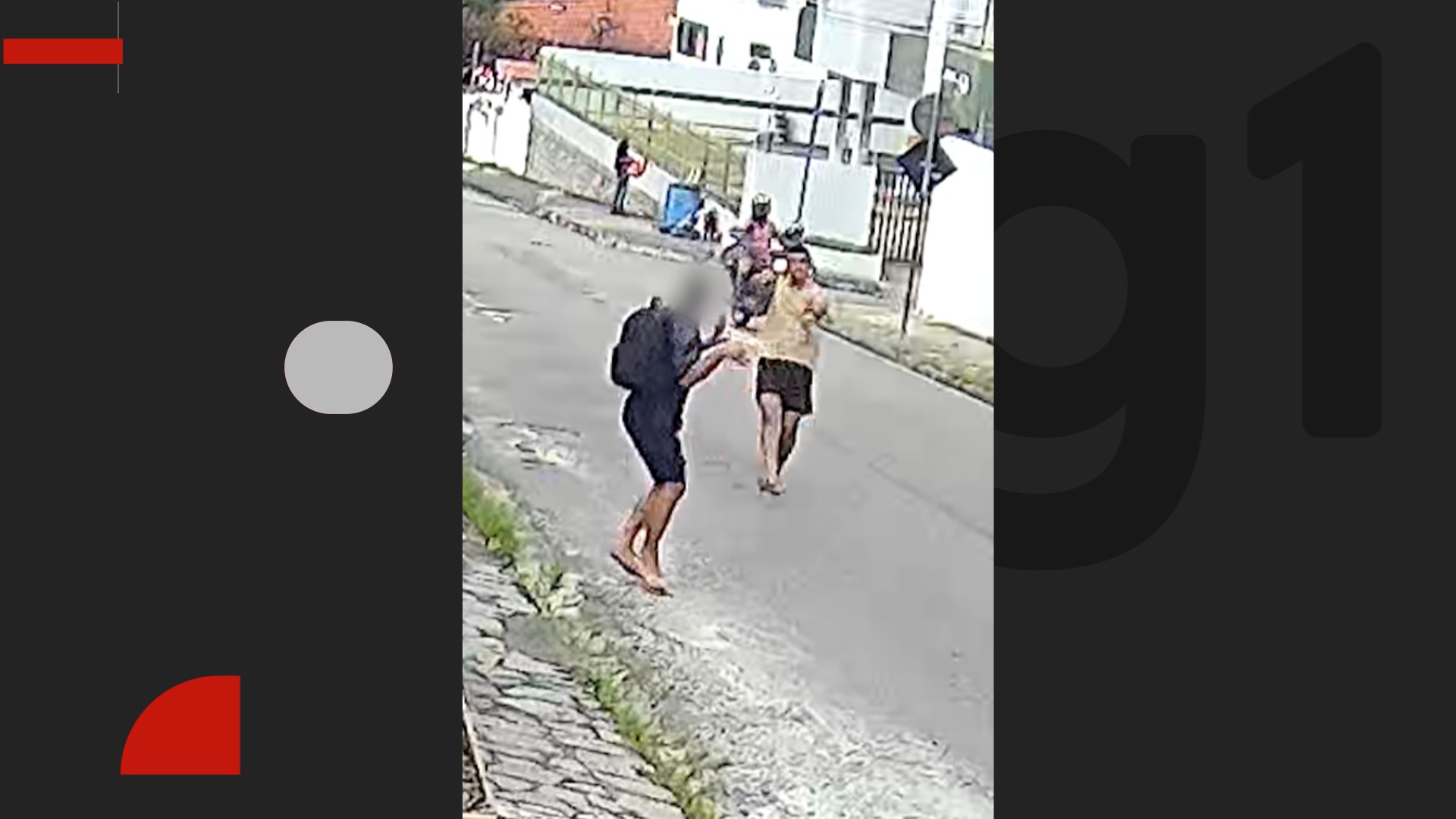
A 17-year-old teenager was shot in João Pessoa, Brazil, on Saturday, November 11th, after being mistaken for a criminal by an undercover military police officer. The student stated he had left school early to buy a birthday cake for his mother. He recounted that he jumped over a wall to exit a pre-university course at the Sesquincentenário school earlier than usual. As he was leaving, he intended to get a haircut and then buy a cake for his mother's birthday celebration. He reported that the plainclothes officer was in a car with tinted windows, and due to a lack of communication, he believed it was a robbery and started running. The teenager was shot in the shoulder during the pursuit. He explained that if the officer had identified himself, he would have stopped. He only realized the man was an undercover police officer after a patrol car arrived. The student, who is also an athlete in judo and wrestling with national competition experience, was rescued by the Mobile Emergency Care Service (Samu) and taken to the João Pessoa Trauma Hospital. He has since been discharged and is recovering at home, though emotionally shaken by the near-fatal incident. Security footage shows the young man running from an armed individual, surrendering, and then being kicked by the officer before being shot in the shoulder. The Military Police have stated that all necessary administrative measures will be taken to investigate the circumstances of the incident.
This incident highlights the critical need for clear de-escalation protocols and communication standards in law enforcement, particularly for plainclothes officers operating in civilian environments. The mistaken identity scenario underscores the potential for tragic outcomes when immediate identification and verbal commands are absent, leading to fear and flight responses from individuals who may be unaware of the officer's authority. The situation raises questions about the training and operational procedures for undercover officers, emphasizing the importance of distinguishing between a perceived threat and a lawful citizen. Moving forward, reinforcing communication training and establishing immediate identification procedures could mitigate risks of such incidents, fostering greater public trust and officer safety by ensuring citizens can differentiate between a genuine threat and law enforcement presence.
AI-generated to prompt reflection — not editorial opinion, not advice, not a statement of fact. How this works.