Teenager to be interned in Santa Catarina for fatal stabbing of classmate
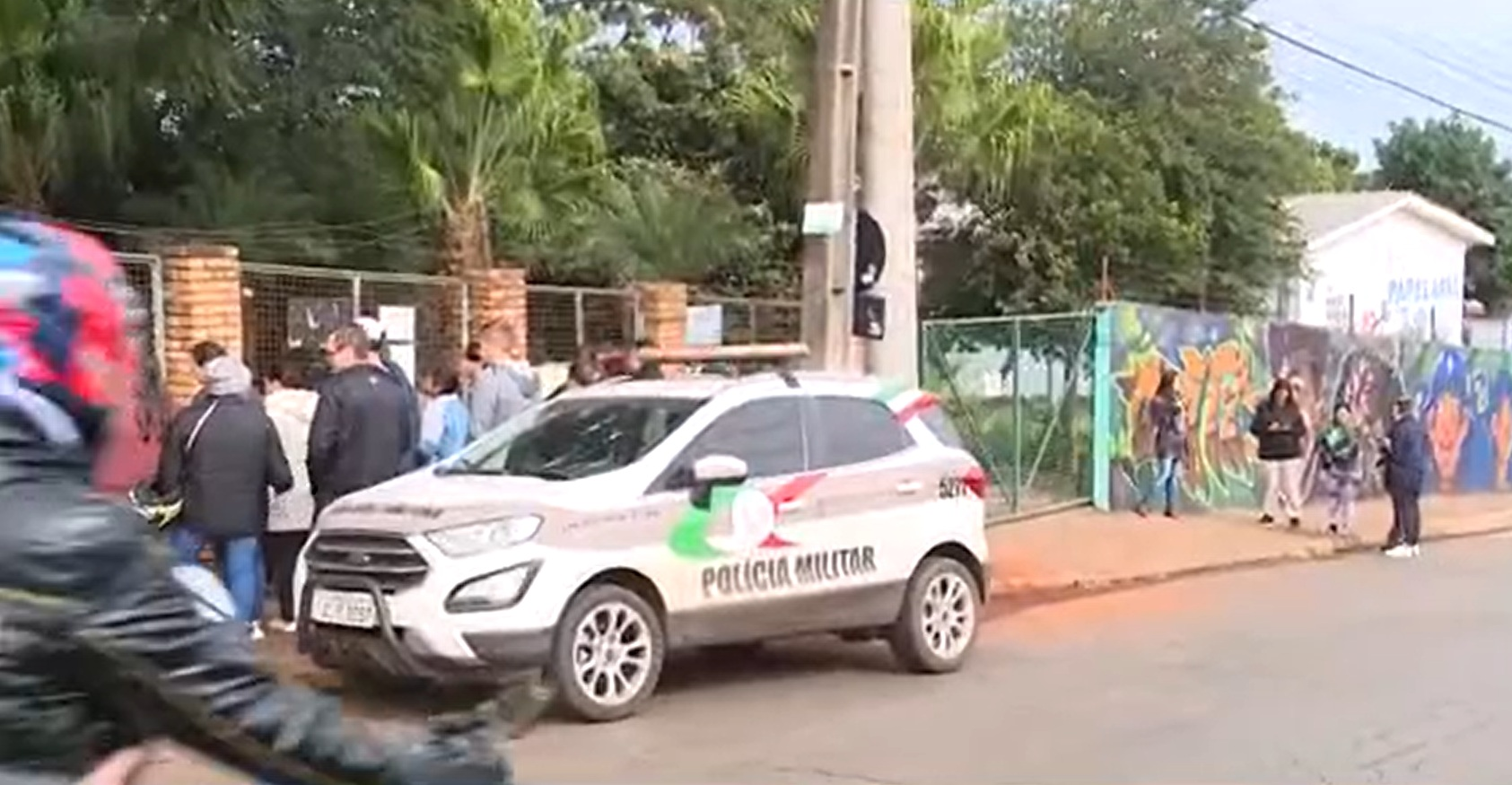
A 16-year-old teenager in Santa Catarina, Brazil, has been ordered to undergo indefinite internment after fatally stabbing a 15-year-old classmate with a pocketknife. The incident occurred at their school in Chapecó on May 22nd, during an event called "Hug Day." Prosecutors stated the attack stemmed from a dispute over "hostile looks" exchanged during a "Hug Day" activity. The victim sustained a single stab wound to the abdomen and, despite initial resuscitation efforts at the scene, succumbed to his injuries the following morning. Security footage captured the assault, which took place during a class break after a verbal altercation involving the perpetrator, the victim, and other students. The victim, who was unarmed, was unable to defend himself and was pursued by the assailant even after being wounded. The perpetrator was apprehended by military police shortly after the attack and had been in provisional detention since the crime. The court's decision mandates a maximum internment period of three years, with the adolescent's situation to be reviewed every six months. Under Brazilian law, individuals under 18 are subject to "infractions" rather than "crimes," with measures aimed at correction and social reintegration, ranging from warnings to internment in juvenile facilities.
This tragic event highlights the critical need for robust conflict resolution and emotional regulation programs within educational settings, particularly those involving peer interaction dynamics. The "Hug Day" initiative, intended to foster positive social connections, inadvertently became the backdrop for a fatal escalation, suggesting a disconnect between program intent and student emotional preparedness. The legal framework for juvenile justice in Brazil, focusing on rehabilitation and reintegration over punitive measures, aims to address the root causes of such behavior. However, the indefinite internment, capped at three years, presents a complex challenge: balancing the need for public safety and victim justice with the developmental trajectory of a minor. The system's effectiveness will hinge on the quality of rehabilitative services provided during internment and the efficacy of reintegration support post-release, aiming to prevent recidivism by addressing underlying psychological and social factors.
AI-generated to prompt reflection — not editorial opinion, not advice, not a statement of fact. How this works.