Teenager Vanishes in Copacabana While Trying to Fulfill Beach Dream
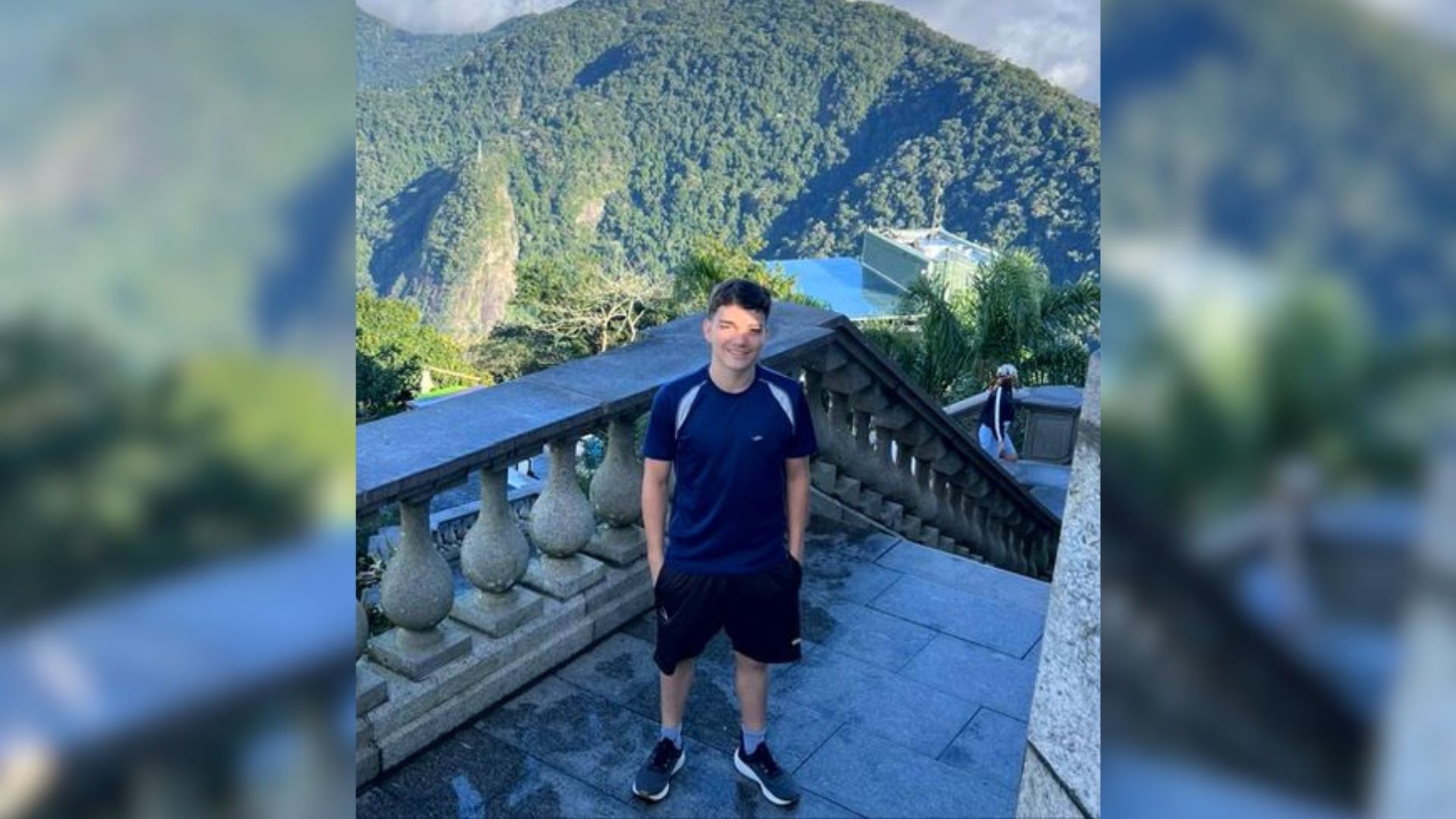
Khallew Gharetty Tomaz Carvalho, a 17-year-old, disappeared in Copacabana, Rio de Janeiro, while on a trip to fulfill his dream of visiting the famous beach. His father, Otoniel França, told TV Anhanguera that Khallew had been working two jobs for two months to save money for the trip, which also included a desire to fly on an airplane. "He was coming from one job and going to another job to save money for this trip. His desire was to visit the beach and fly on an airplane. So, he took on extra work for two months and from these jobs... he only took the money for the trip. It was a dream that turned into a nightmare," his father recounted. Khallew was at the beach with two friends, Adryan Damasceno and Edson Luiz de Araújo Filho, both 20 years old, when he was swept away by strong waves. According to Adryan, they were in waist-deep water when a series of powerful waves hit, dragging them. Adryan described being pulled by the current and trying to help Khallew, but was unsuccessful. The friends reported that the incident occurred around 3:20 PM near the Copacabana Palace. The Fire Department is actively searching for the teenager using aircraft, drones, inflatable boats, and jet skis.
The tragic disappearance of Khallew Gharetty Tomaz Carvalho highlights the inherent risks associated with natural environments, particularly powerful ocean currents. While the immediate focus is on search and rescue, the incident underscores the importance of public awareness regarding water safety, especially in popular tourist destinations. Future considerations could involve enhanced real-time environmental monitoring and public advisories for beachgoers, particularly concerning unpredictable wave patterns and rip currents. This event also serves as a poignant reminder of the aspirations and dreams of young individuals, and the potential for unforeseen circumstances to disrupt them, emphasizing the need for robust safety protocols in all recreational activities.
AI-generated to prompt reflection — not editorial opinion, not advice, not a statement of fact. How this works.