Teens Build Improvised Skate Park from Trash; Structure Demolished Next Day
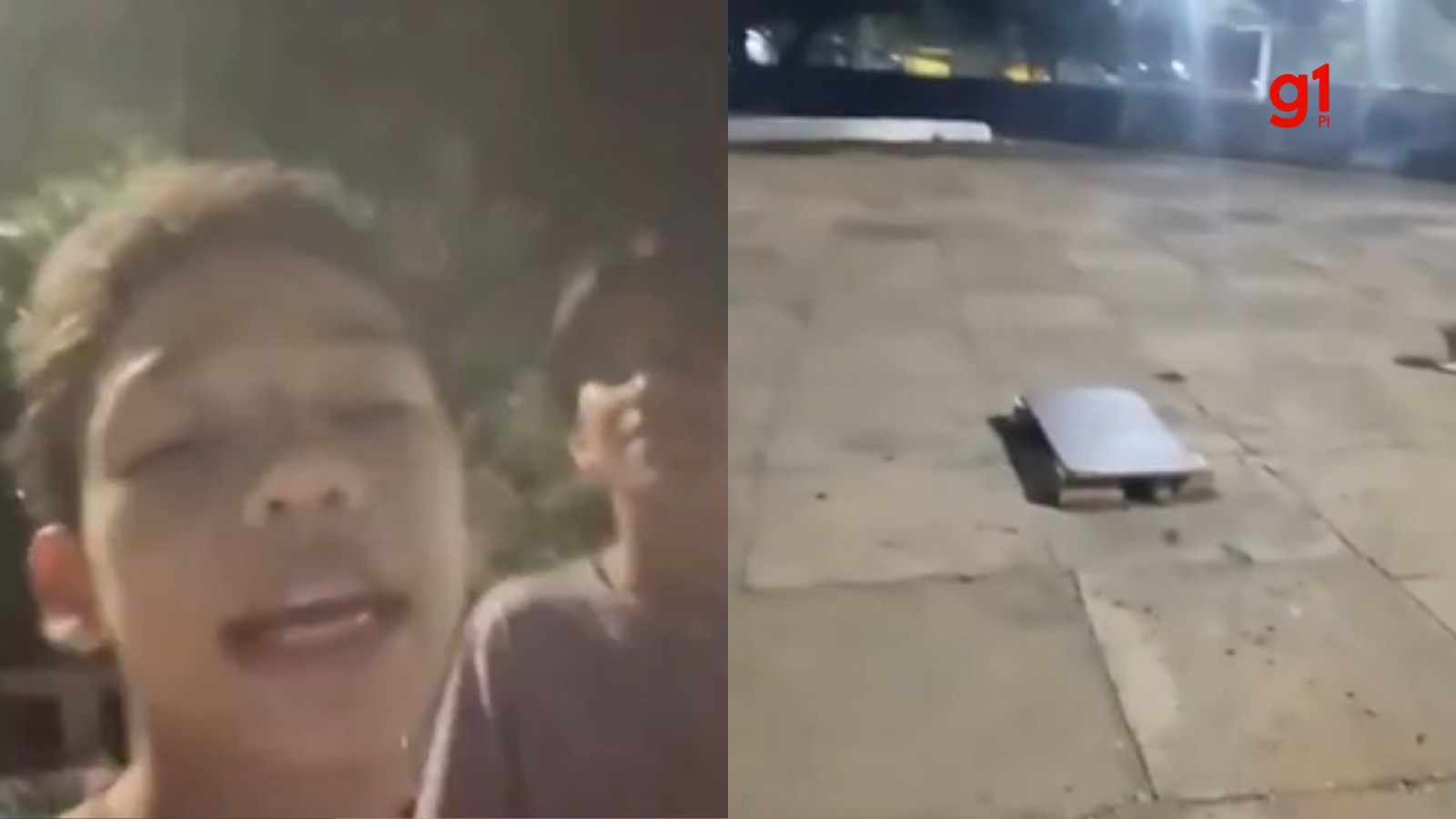
Two 13-year-old friends, Nicolas Abraão and Arthur Gabriel, created a makeshift skate park using discarded materials in a public square in the Promorar neighborhood of Teresina, Brazil. They shared a video of their creation on social media on Wednesday, August 1st. The following day, Thursday, August 2nd, they discovered their improvised skate structures had been removed. Arthur Gabriel expressed disappointment, noting that municipal waste collection had occurred, but their obstacles were gone, though he vowed they would continue their efforts. The boys utilized items like cement, wooden planks, and bricks found as trash within the square itself, aiming to improve their skateboarding practice due to the poor condition of the only existing skate park in their neighborhood. They described the area as a 'dump' and their initiative as an attempt to transform it into a usable space for their sport. One obstacle was fashioned from a plant pot, serving as a 'mini hydrant' or 'mini cone,' while another was a smooth plank supported by bricks. The structure was not yet used as the cement was still drying. The two friends, who have known each other since childhood, built the park without adult assistance. Nicolas Abraão highlighted that while public cleaning services attend the square, residents continue to illegally dump garbage there, despite signage. The teenagers have appealed to local authorities to develop a proper skate facility in the square.
This incident highlights a common challenge in urban public spaces: the gap between community needs and available infrastructure, particularly for youth recreation. The teenagers' initiative demonstrates resourcefulness and a desire for constructive engagement, contrasting with the persistent issue of illegal dumping in the same area. The swift removal of their improvised park, while potentially a response to safety or aesthetic concerns by authorities, raises questions about the municipality's responsiveness to citizen-led improvements and the provision of adequate facilities. Future urban planning could benefit from incorporating community-driven projects and addressing the root causes of neglect and improper waste disposal to foster more positive and sustainable public spaces.
AI-generated to prompt reflection — not editorial opinion, not advice, not a statement of fact. How this works.