Tehrathum Dhaka Weaving Empowers Rural Women and Their Livelihoods
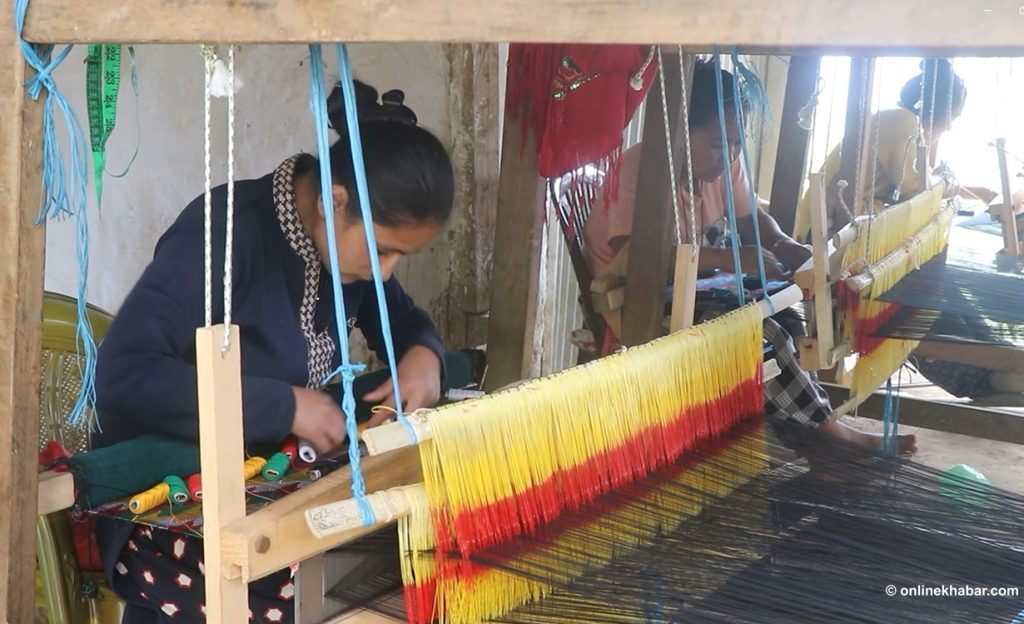
The traditional Tehrathum Dhaka fabric is increasingly becoming a cornerstone of economic empowerment for local women in rural areas. Once recognized primarily for its cultural identity, this intricate weaving is now directly contributing to the financial independence of women in the Tehrathum region. The craft is not just a means of preserving heritage but has evolved into a significant source of income, fostering self-reliance among the women involved. This shift highlights the potential of traditional industries to drive social and economic change at the grassroots level. The women are actively engaged in the production process, from sourcing materials to the final weaving, thereby controlling a vital part of their economic activity. This initiative is transforming rural lives by providing sustainable livelihood opportunities and enhancing the status of women within their communities. The success of Tehrathum Dhaka weaving as an economic driver underscores the importance of supporting and promoting local craftsmanship.
The resurgence of traditional crafts like Tehrathum Dhaka weaving demonstrates a powerful economic model where cultural heritage directly fuels local empowerment. This approach leverages existing skills and community knowledge, offering a sustainable alternative to external economic dependencies. The focus on women's economic participation addresses gender inequality and can lead to broader social development within rural communities. As global markets increasingly value authenticity and ethical production, such initiatives are well-positioned for growth. The challenge lies in scaling these operations while maintaining quality and cultural integrity, ensuring that the benefits remain localized and that the weavers are fairly compensated in a competitive market.
AI-generated to prompt reflection — not editorial opinion, not advice, not a statement of fact. How this works.