Telegram CEO Claims He Refused Russian Surveillance and Censorship Demands
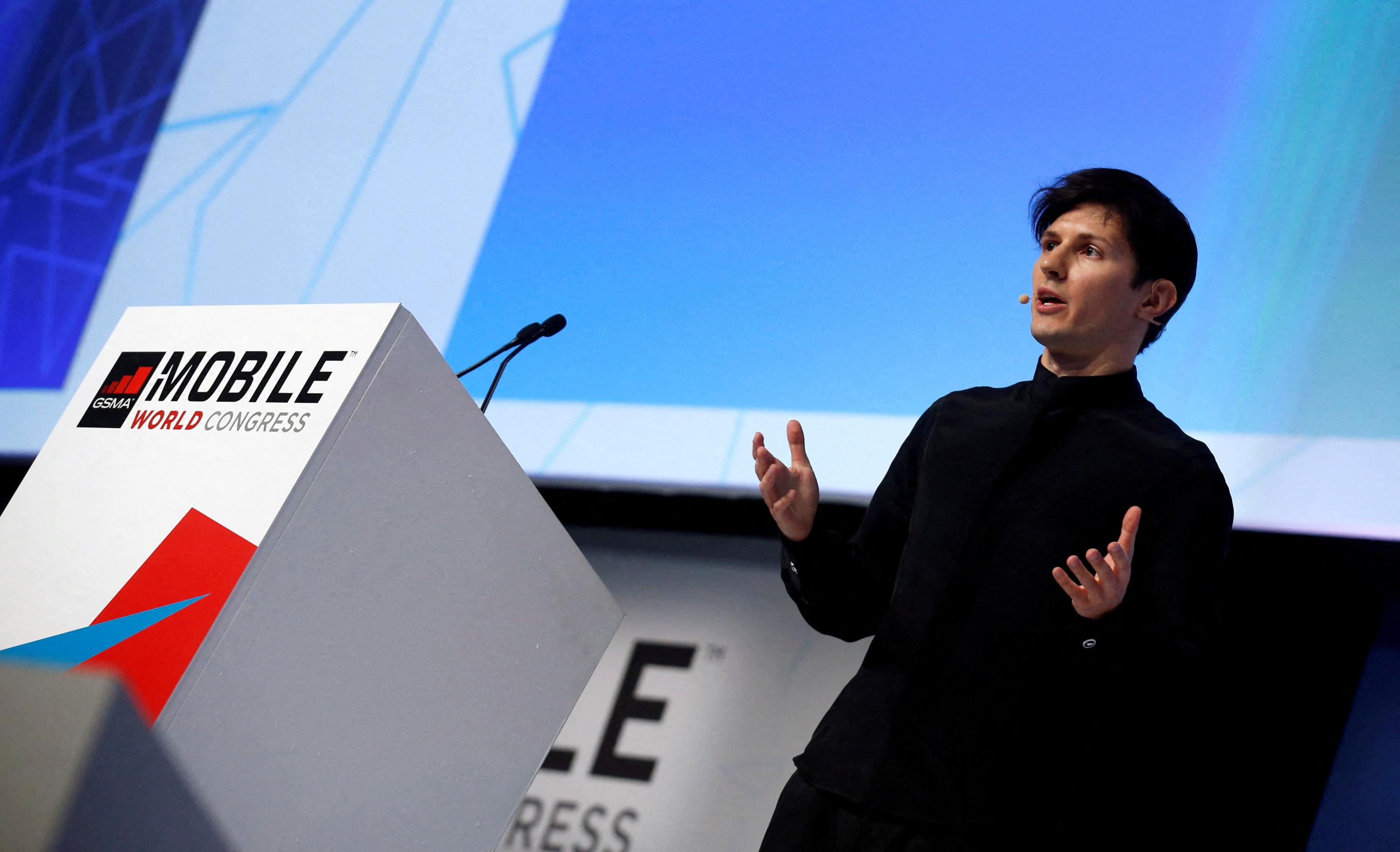
Pavel Durov, the founder and CEO of Telegram, stated on his platform that Russian officials have become confused about internet regulations. Durov asserted that he refused demands from Moscow for surveillance and censorship. He believes Russian authorities have misconstrued their authority regarding who can ban content online. Durov's comments suggest a conflict between Telegram's operational principles and the regulatory expectations of the Russian government. The CEO's stance highlights Telegram's commitment to user privacy and freedom of expression, contrasting with potential state-driven content control measures. This situation underscores the ongoing tension between global technology platforms and national regulatory frameworks.
Pavel Durov's assertion of refusing Russian demands for surveillance and censorship positions Telegram as a platform prioritizing user privacy and open communication over state-imposed controls. This stance, while potentially enhancing user trust, creates significant friction with governments seeking to regulate digital spaces. The core tension lies in differing interpretations of internet governance and national sovereignty in the digital realm. Durov's framing suggests a belief that such demands overstep legitimate regulatory authority, potentially leading to a future where platforms must navigate increasingly complex and conflicting international legal and ethical landscapes. This dynamic highlights the challenge of balancing global connectivity with local governance needs in the evolving digital era.
AI-generated to prompt reflection — not editorial opinion, not advice, not a statement of fact. How this works.