Telemedicine Booths Appear in German Supermarkets to Address Doctor Shortages
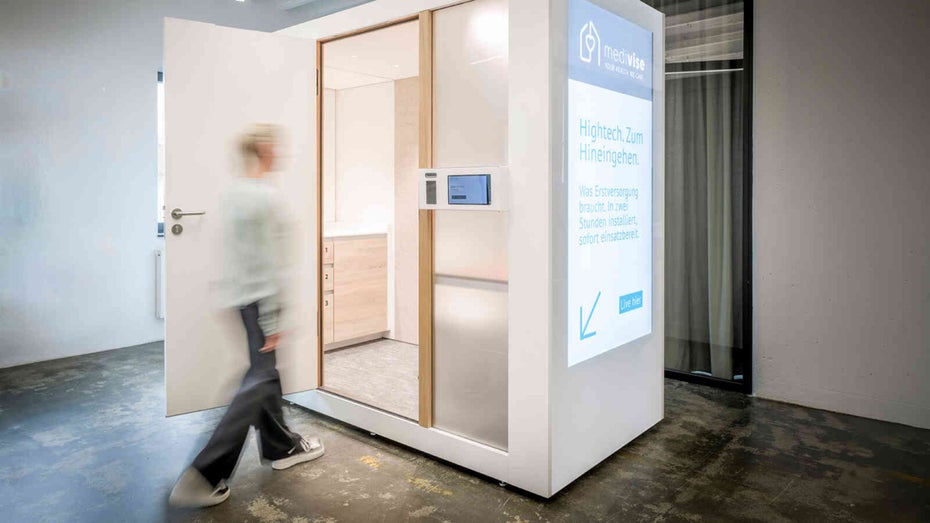
Telemedicine booths are being increasingly installed across Germany in an effort to alleviate the shortage of doctors. These booths are designed to facilitate medical examinations, with some functions potentially being automated. The initiative aims to make healthcare more accessible by integrating medical services into everyday locations like supermarkets. This approach could offer a solution for patients in underserved areas or those who face difficulties accessing traditional healthcare facilities. The expansion of these booths signifies a growing trend towards innovative healthcare delivery models. By placing these facilities in high-traffic areas, the goal is to reduce wait times and improve patient convenience. The technology within these booths allows for remote consultations with healthcare professionals. This development is part of a broader strategy to modernize healthcare infrastructure and adapt to changing demographic needs. The success of this program could pave the way for further integration of technology into patient care.
The deployment of telemedicine booths in public spaces like supermarkets represents a pragmatic response to documented physician shortages and geographical healthcare access disparities in Germany. This model leverages existing retail infrastructure to expand healthcare reach, potentially reducing patient travel burdens and improving early-stage diagnostic accessibility. From a systems perspective, this approach could create new revenue streams for retail operators and offer a scalable solution for primary care delivery. However, careful consideration must be given to data privacy regulations, the equitable distribution of these booths across socio-economic strata, and the integration of these remote services into the broader national healthcare system to ensure continuity of care and prevent a two-tiered system. The long-term impact will depend on regulatory frameworks, technological reliability, and public acceptance of remote medical consultations.
AI-generated to prompt reflection — not editorial opinion, not advice, not a statement of fact. How this works.