Temperatures to Rise in Juiz de Fora After Cold Snap, Rain Possible Later
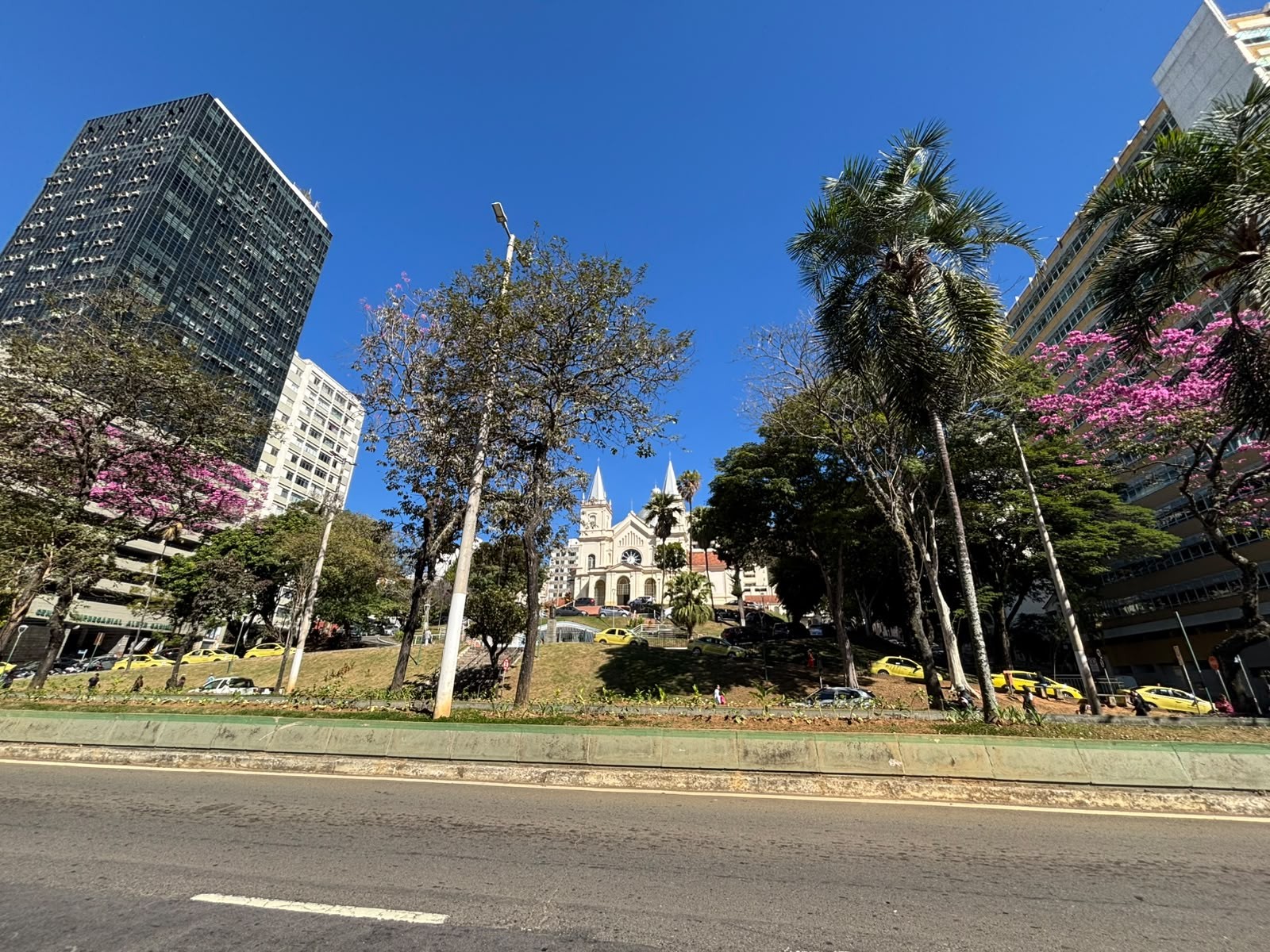
Juiz de Fora and its surrounding regions in Brazil's Zona da Mata and Campo das Vertentes areas are set to experience a warming trend after a week of intense cold. The city recorded its lowest temperature of the year at 9.3 ºC. Meteorologist Anete Fernandes from the National Institute of Meteorology (Inmet) forecasts gradual temperature increases. The skies are expected to be clear to partly cloudy through Wednesday, November 22nd. A cold front approaching the Southeast region will increase cloud cover starting Thursday, November 23rd. This system may bring rain to São Paulo on Thursday and, as it moves offshore, could lead to increased cloudiness and a possibility of rain in the Zona da Mata and Campo das Vertentes on Friday, November 24th, and Saturday, November 25th. While daytime temperatures will rise, minimum temperatures are expected to remain stable, with no indication of a return to the recent severe cold. Specific forecasts for Juiz de Fora include a minimum of 14 ºC and a maximum of 24 ºC on Tuesday, November 21st; a minimum of 15 ºC and a maximum of 26 ºC on Wednesday, November 22nd; a minimum of 15 ºC and a maximum of 27 ºC on Thursday, November 23rd; and a minimum of 15 ºC and a maximum of 22 ºC on Friday, November 24th.
This forecast highlights the typical seasonal weather shifts influenced by atmospheric systems in Brazil's Southeast. The gradual rise in temperatures following a significant cold event demonstrates the dynamic interplay between continental air masses and approaching frontal systems. While immediate relief from the cold is indicated, the potential for renewed precipitation underscores the sensitivity of regional weather patterns to evolving meteorological conditions. Understanding these cyclical patterns is crucial for anticipating resource needs, such as energy consumption and agricultural planning, and for informing public preparedness strategies for both extreme cold and potential rainfall, thereby mitigating socioeconomic impacts.
AI-generated to prompt reflection — not editorial opinion, not advice, not a statement of fact. How this works.