Tempi Train Disaster Trial: Prosecution Lawyers Respond to Prosecutor's Proposal
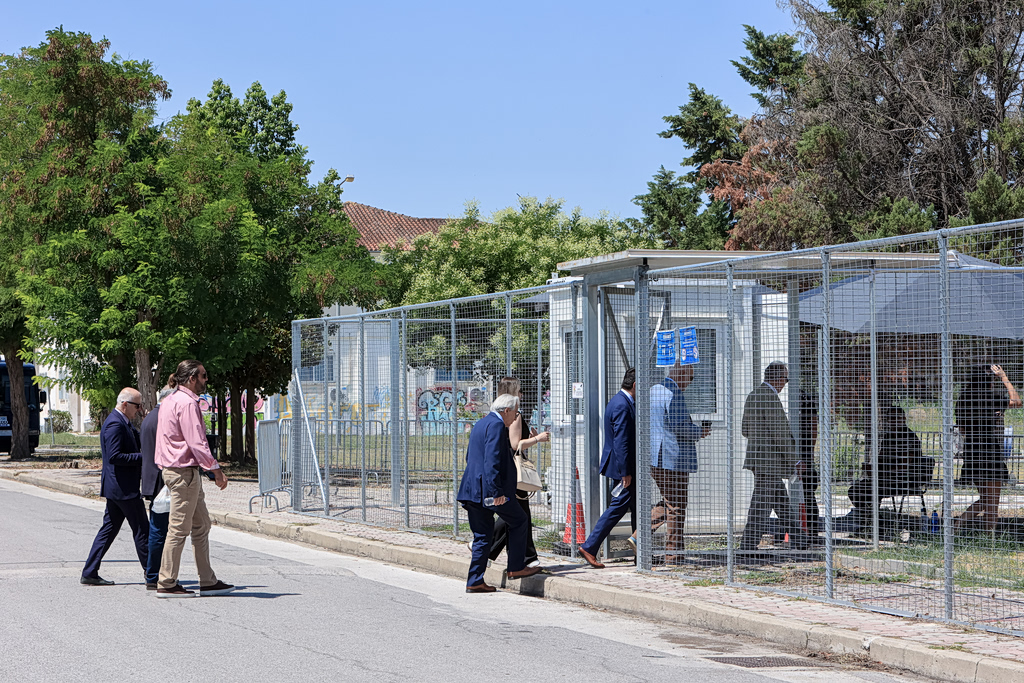
The trial for the Tempi train disaster continues today, July 21st, at the Three-Member Misdemeanor Court of Appeals in Larissa, Greece. Lawyers representing the prosecution are presenting their arguments regarding the prosecutor's proposal. This follows yesterday's session where the prosecutor recommended rejecting requests for trial adjournment. The defense is also raising objections concerning the invalidity of the summons. Additionally, they are seeking to submit preliminary questions to the Court of Justice of the European Union. The proceedings are focused on addressing these procedural matters before the substantive case can move forward. The tragedy at Tempi has deeply affected the nation, and the trial is closely watched by victims' families and the public seeking accountability. The court's decisions on these initial requests will significantly shape the trajectory of the entire legal process. The ongoing legal discussions highlight the complex nature of such high-profile cases and the meticulous steps involved in ensuring due process.
This legal proceeding addresses procedural challenges in the Tempi train disaster trial, focusing on requests for adjournment, objections to the summons, and potential referral to the European Union's Court of Justice. The prosecution's lawyers are responding to the prosecutor's recommendation to dismiss these requests. The case highlights the critical importance of due process and the thoroughness required in judicial proceedings, especially those involving significant public interest and tragic loss of life. Navigating these preliminary stages can impact the timeline and fairness of the trial, reflecting broader systemic considerations in the administration of justice. The interaction between national and supranational legal frameworks, as indicated by the potential EU court referral, underscores the evolving complexities of legal accountability in a globalized context.
AI-generated to prompt reflection — not editorial opinion, not advice, not a statement of fact. How this works.