Ten Beach Spots in Greater São Luís Deemed Unfit for Swimming
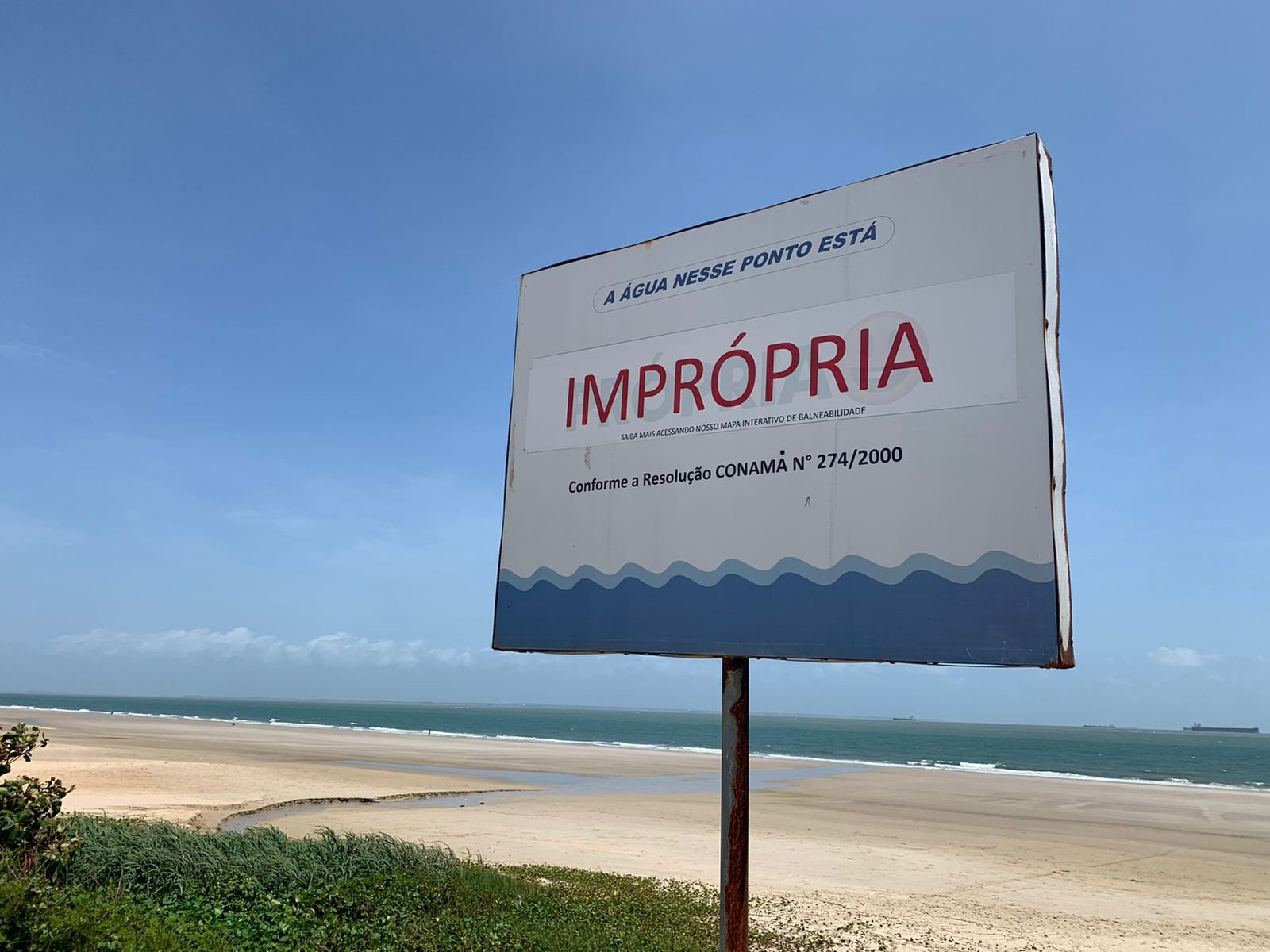
A recent report from the State Secretariat for the Environment and Natural Resources (Sema) indicates that 10 out of 22 monitored locations in Greater São Luís are unsuitable for swimming. The survey, conducted between June 15 and July 13, 2026, is part of a weekly assessment of the Maranhão Island beaches' water quality. São Luís has the highest concentration of inadequate areas, with six points on São Marcos and Olho d’Água beaches being flagged. In São José de Ribamar, two sections of Araçagi Beach, one near the main access ramp and another in front of Bar da Atalaia, were classified as unfit. Paço do Lumiar has one unsuitable stretch on Olho de Porco Beach, located in front of Las Vegas Bar and Restaurant. Raposa also reported one inadequate point on Olho de Porco Beach, near the mouth of the igarapé do Mangue Seco. Sema advises that rainfall can degrade water quality by washing organic matter from streets into rivers and beaches, recommending against swimming for 24 hours after rain. The Maranhão Environmental Sanitation Company (Caema) had not responded to inquiries regarding potential links between these results and the sewage system as of the report's last update.
This report highlights a recurring environmental challenge in coastal urban areas, where recreational water quality is directly impacted by infrastructure and weather. The findings underscore the critical need for robust sanitation systems to mitigate the effects of rainfall and urban runoff on beach water safety. The lack of immediate comment from the sanitation company suggests potential complexities in addressing the issue, possibly involving infrastructure investment, maintenance, or regulatory oversight. Future assessments should consider the long-term trends in water quality and the effectiveness of any implemented mitigation strategies, particularly in the context of increasing urbanization and potential climate change impacts on precipitation patterns.
AI-generated to prompt reflection — not editorial opinion, not advice, not a statement of fact. How this works.