Ten Climbers, Including Nirmal Purja, Missing After Pakistan Avalanche
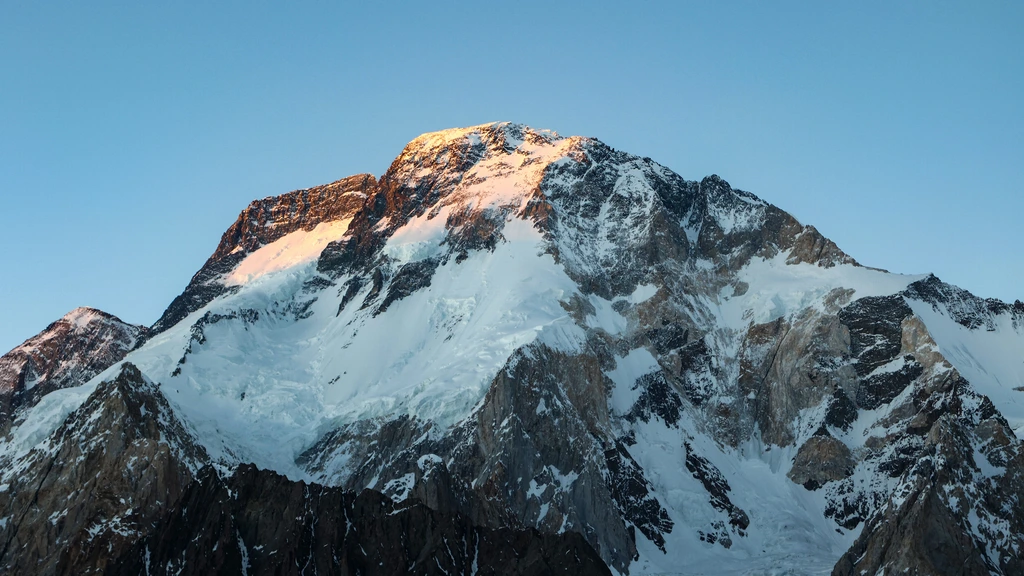
Ten mountaineers, including renowned Nepalese climber Nirmal Purja, 43, are missing following an avalanche on a mountain in Pakistan. The Alpine Club of Pakistan reported the incident, stating the group was on an expedition on Broad Peak, an 8,047-meter mountain in the Karakoram range, when the avalanche struck yesterday. Their last known location was at an altitude of 6,600 meters, from where they reportedly fell downwards. Chhang Dawa Sherpa, a board member of Seven Summit Treks, which supplied three Sherpas for the expedition, confirmed that no contact has been made with the team since the midday avalanche. A search operation is underway, involving two army helicopters, with additional rescue teams being mobilized from the K2 base camp. The expedition on Broad Peak, the world's twelfth-highest mountain, included climbers from Oman, Pakistan, China, and the United States. Purja gained international recognition for climbing all fourteen of the world's highest peaks in six months and six days in 2019, a feat documented in the Netflix film "14 Peaks: Nothing is Impossible." This achievement significantly surpassed the previous record held by South Korean Kim Chang-ho, who took seven years to complete the same challenge. Purja, nicknamed 'Nims', began his high-altitude mountaineering career in 2012 after serving sixteen years as a Gurkha and later with the British Special Forces.
This incident highlights the inherent risks in high-altitude mountaineering, particularly in challenging environments like Pakistan's Karakoram range. The loss of contact with a team including a globally recognized figure like Nirmal Purja underscores the critical importance of robust safety protocols, real-time communication systems, and comprehensive emergency response plans in expeditionary mountaineering. While accidents are an unfortunate reality of extreme sports, the focus for future expeditions should be on leveraging technological advancements and refining operational procedures to mitigate risks and enhance rescue capabilities. The event also prompts reflection on the psychological drivers behind pursuing extreme challenges and the public's fascination with human endurance, balanced against the potential for tragedy.
AI-generated to prompt reflection — not editorial opinion, not advice, not a statement of fact. How this works.