Ten Lawyers Arrested in Bahia for Acting as Criminal Syndicate Messengers in Maximum Security Prison
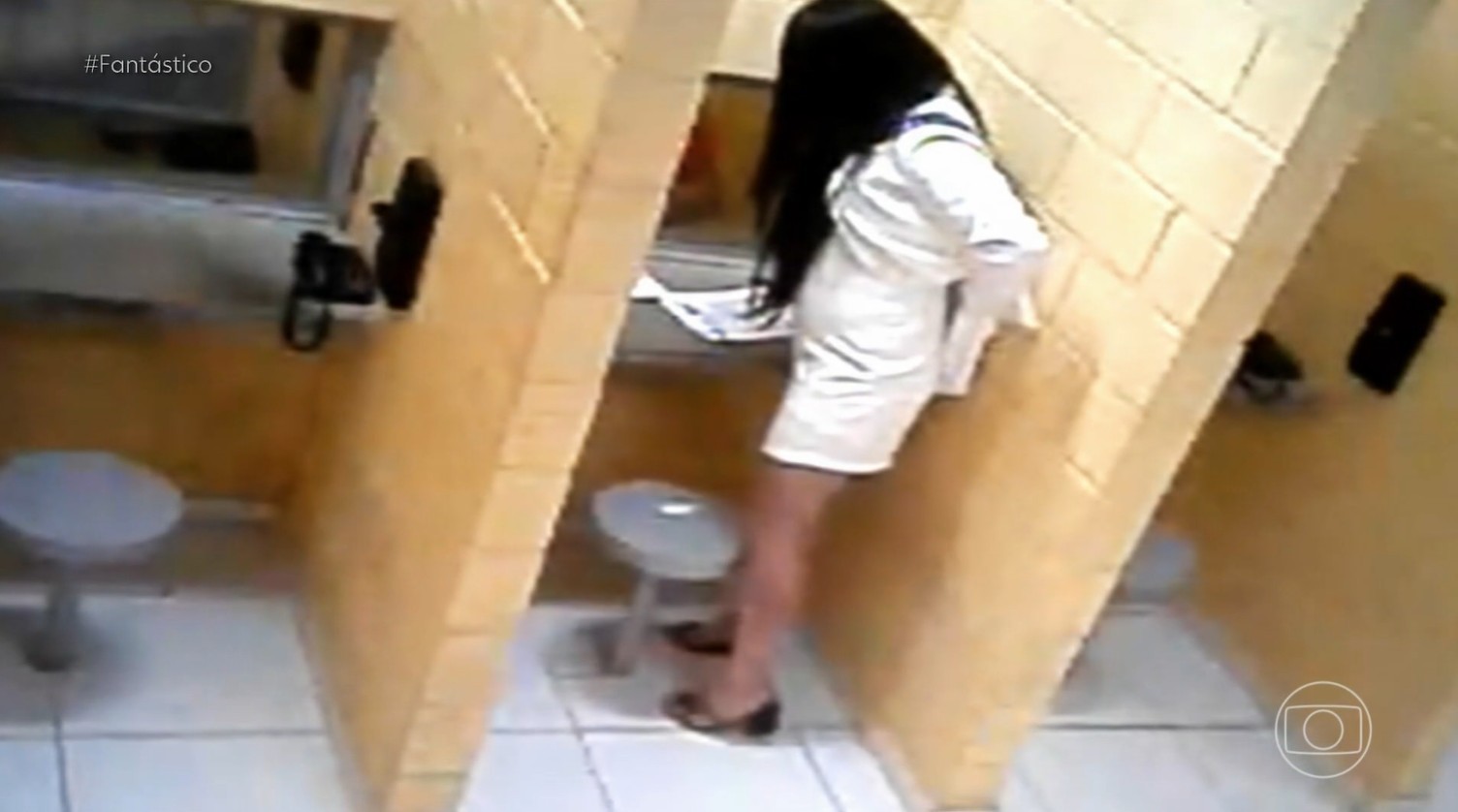
An operation led by the Public Prosecutor's Office of Bahia (MP-BA), with support from the Civil Police and the Secretariat of Penitentiary Administration and Resocialization, resulted in the arrest of ten lawyers and warrants for twelve inmates on Friday, March 3rd. These legal professionals are accused of forming the "legal nucleus" of criminal organizations, using the parley room at the Serrinha Maximum Security State Prison, located 180 kilometers from Salvador, to relay instructions from drug lords who should be isolated. Judicial authorization led to the installation of cameras in the parley room, which recorded lawyers between September 2025 and January 2026 receiving and transmitting detailed orders concerning arms trafficking, drug trade finances, and plans for homicides and kidnappings. The lawyers allegedly concealed written directives from the gangs within their undergarments to evade detection. The MP-BA's Gaeco coordinator, Luiz Ferreira de Freitas Neto, stated that these individuals exploited their legal privileges to commit crimes, facing charges for belonging to a criminal organization, with evidence pointing to arms trafficking, drug trafficking, and homicides. Specific recordings implicated lawyers like Ícaro Cardoso Viana, who received instructions to collect firearms and noted drug prices using codenames; Fernanda Oliveira Borges, filmed removing papers containing financial records and kidnapping plans; and Maria Mariana Batista de Oliveira, who maintained contact with a Comando Vermelho leader and relayed information about a deceased associate and the procurement of weapons. The investigation was reportedly triggered by violent acts coordinated from within prisons, including an attack on a prison director in southern Bahia, where a lawyer was identified as a conduit for orders from criminal leaders to those outside. The MP-BA is advocating for legislative changes to mandate audiovisual monitoring in parley rooms, similar to federal prisons, to prevent organized crime leaders from maintaining unfettered contact with the outside world. The Bahia chapter of the Brazilian Bar Association (OAB) will review the case for potential disciplinary action against the involved lawyers.
This operation highlights a critical vulnerability in the correctional system where legal access can be exploited for criminal communication. The use of the parley room by lawyers to transmit illicit instructions underscores the challenges of balancing defendants' rights with public safety imperatives. The incident raises questions about the adequacy of existing oversight mechanisms within correctional facilities, particularly concerning interactions between legal counsel and high-risk inmates. Future considerations may involve enhanced technological surveillance and stricter protocols for legal visits in maximum-security environments, potentially leading to a reevaluation of privacy expectations in such contexts. The Bahia MP's push for audiovisual monitoring in parley rooms, mirroring federal regulations, suggests a systemic effort to address these security gaps by leveraging technology to deter and detect criminal activity, thereby promoting greater accountability within the justice system.
AI-generated to prompt reflection — not editorial opinion, not advice, not a statement of fact. How this works.