Ten Lawyers Arrested in Bahia Operation Targeting Criminal Factions
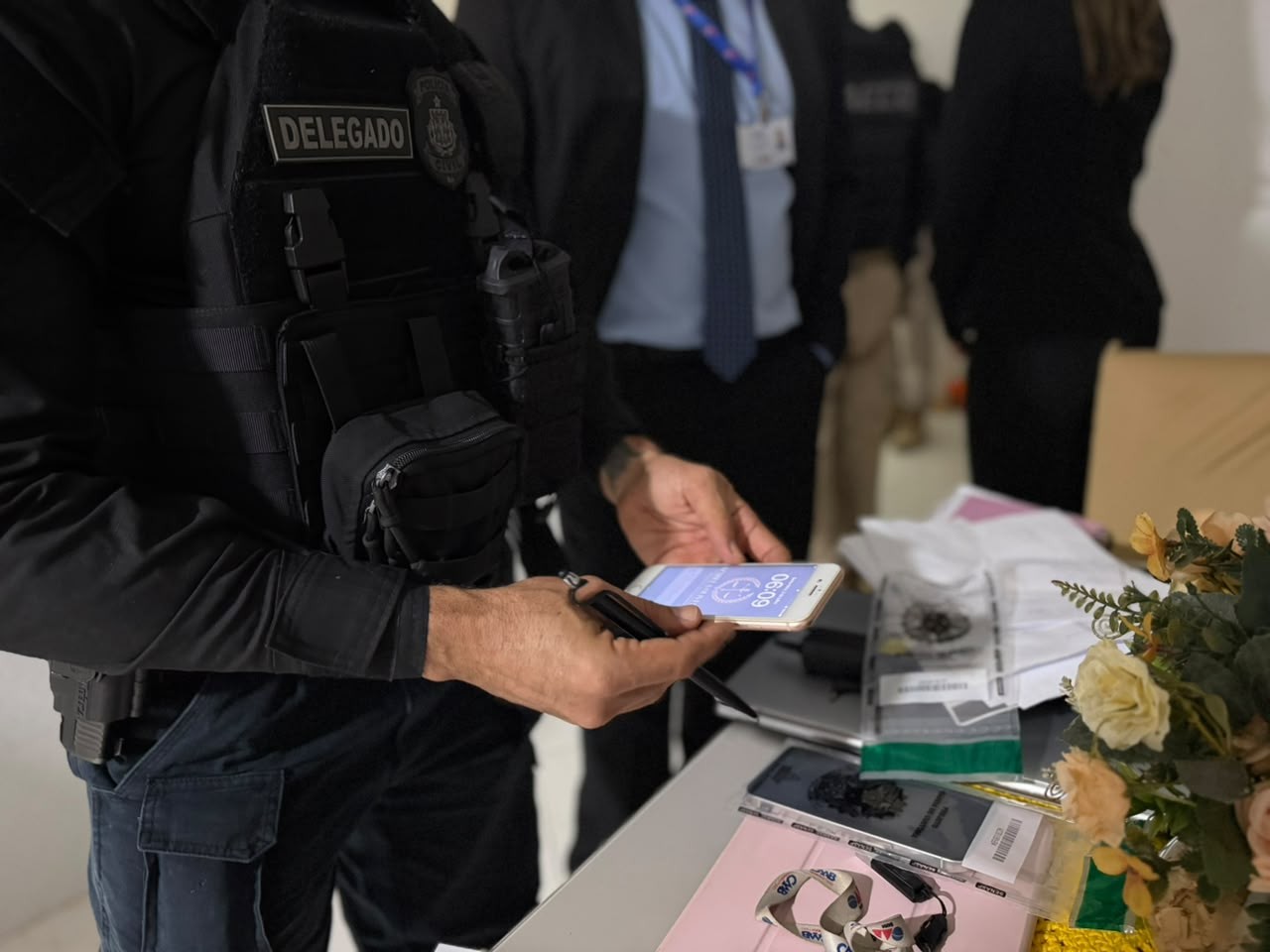
An operation named "Sintonia de Gravata" has led to the arrest of ten lawyers and twelve inmates in Bahia, Brazil, as part of an investigation into criminal factions involved in drug trafficking, illegal arms acquisition, and organized crime. The operation, which also involved 15 search and seizure warrants, was executed across several municipalities including Salvador, Lauro de Freitas, Camaçari, Feira de Santana, Serrinha, and Barreiras. Authorities seized electronic devices and documents believed to aid the investigation into further involvement. The Secretary of Public Security of Bahia (SSP-BA) also ordered the freezing of financial assets totaling at least R$10 million, along with the seizure of vehicles, properties, boats, and aircraft to disrupt illicit financial flows. Prosecutors from the Special Action Group to Combat Organized Crime (Gaeco) revealed that the factions maintained a sophisticated clandestine communication system, enabling ongoing criminal activities even with leaders incarcerated in maximum-security prisons. A network of individuals outside prison facilitated the transmission of orders between incarcerated leaders and members at large. The arrested lawyers allegedly exploited their professional privileges to bypass isolation protocols and facilitate this communication, playing a strategic role in message relay, decision-making, and monitoring criminal operations. The SSP-BA highlighted that this communication flow allowed incarcerated leaders to manage drug trafficking, arms circulation, financial transactions, and internal conflicts, demonstrating a structured, hierarchical organization. The lawyers reportedly represented various faction leaders, including those from Comando Vermelho (CV) and Bonde do Maluco (BDM). The OAB Bahia (Brazilian Bar Association) is monitoring the case, ensuring professional prerogatives are respected while cooperating with the investigation and potentially initiating disciplinary actions against the involved lawyers.
This operation highlights the complex interplay between organized crime and the legal profession, revealing potential vulnerabilities in the justice system. The alleged use of legal channels to circumvent security measures and facilitate criminal operations underscores the importance of robust oversight mechanisms within both correctional facilities and professional bodies like the OAB. Future efforts should focus on strengthening communication interdiction protocols and ensuring that professional privileges do not become conduits for illicit activities. Examining the incentive structures that might lead legal professionals to engage in such conduct, alongside systemic weaknesses that permit it, is crucial for developing preventative strategies. This situation prompts a broader consideration of how technological advancements in communication can be both exploited by criminal elements and leveraged for enhanced security and transparency within the legal and penal systems.
AI-generated to prompt reflection — not editorial opinion, not advice, not a statement of fact. How this works.