Ten Piauí Gas Stations Shut Down for Suspected Fuel Pump Fraud
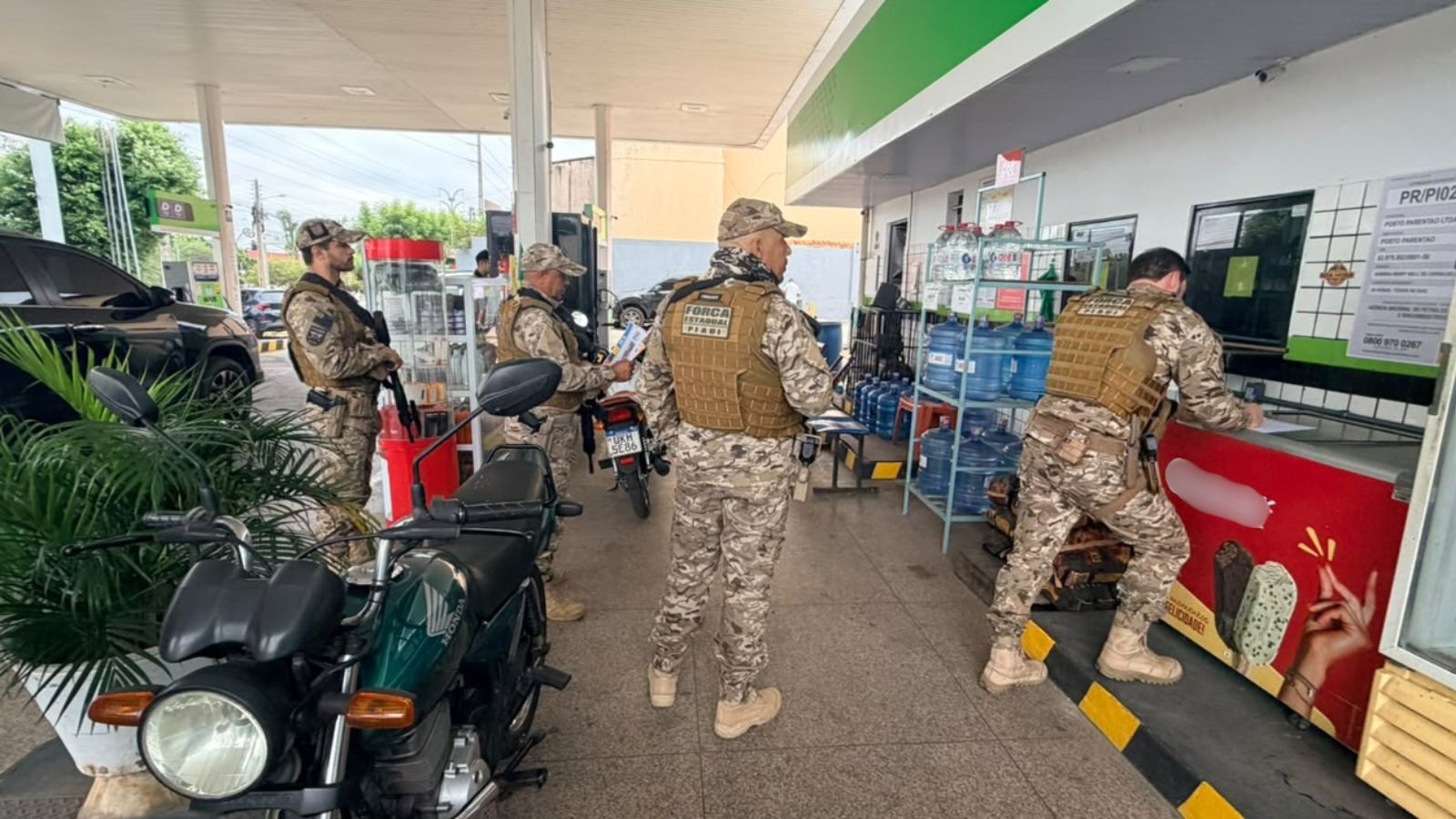
Authorities in Piauí, Brazil, have temporarily shut down ten gasoline stations suspected of defrauding consumers. The operation, conducted by the Secretariat of Public Security of Piauí (SSP-PI) in collaboration with the State Institute of Metrology (Imepi), targeted stations in Teresina, Capitão de Campos, and Parnaíba. The establishments will remain closed for ten days to allow for technical analyses crucial to the ongoing investigation, as confirmed by SSP-PI Superintendent of Integrated Operations, Delegate Mateus Zanatta. If fraud is confirmed, the stations will face legal measures and must meet specific criteria to resume operations. The investigation was initiated following numerous consumer complaints alleging discrepancies in fuel quantity and quality. The primary suspected fraud involves tampering with electronic fuel pump systems to dispense less fuel than indicated, a practice known as "bomba baixa" or "low pump." Delegate Filipe Bonavides, coordinator of the State Integrated Force for Public Security (Feisp), stated that measures included search and seizure warrants, data extraction from electronic devices and fuel pumps, and setting bail for managers and owners where applicable. Imepi teams are also inspecting fuel quality. The Piauí Gas Station Resellers Union (Sindipostos) stated that the investigated stations are not affiliated with their group. Consumers suspecting issues can report to the National Agency of Petroleum, Natural Gas and Biofuels (ANP) for quality and quantity concerns, Procon Piauí for consumer rights violations, Imepi for measurement device issues, or the Civil Police for potential criminal fraud.
This operation highlights a systemic vulnerability in consumer protection within the fuel retail sector, where sophisticated fraud can yield significant illicit profits by exploiting information asymmetry. The "low pump" scheme, enabled by electronic adulteration, demonstrates how technological advancements can be leveraged for deception, impacting countless consumers daily. The multi-agency response, involving metrology, public security, and consumer protection bodies, is a necessary but complex coordination challenge. Moving forward, regulatory bodies may need to explore more proactive and technologically advanced auditing mechanisms, potentially incorporating real-time data monitoring or blockchain-based transaction verification for fuel dispensing, to counter such persistent fraud and restore consumer trust in a market critical to economic activity.
AI-generated to prompt reflection — not editorial opinion, not advice, not a statement of fact. How this works.