Tennis Faces a Complex Puzzle: Tradition, Economics, and Necessary Change
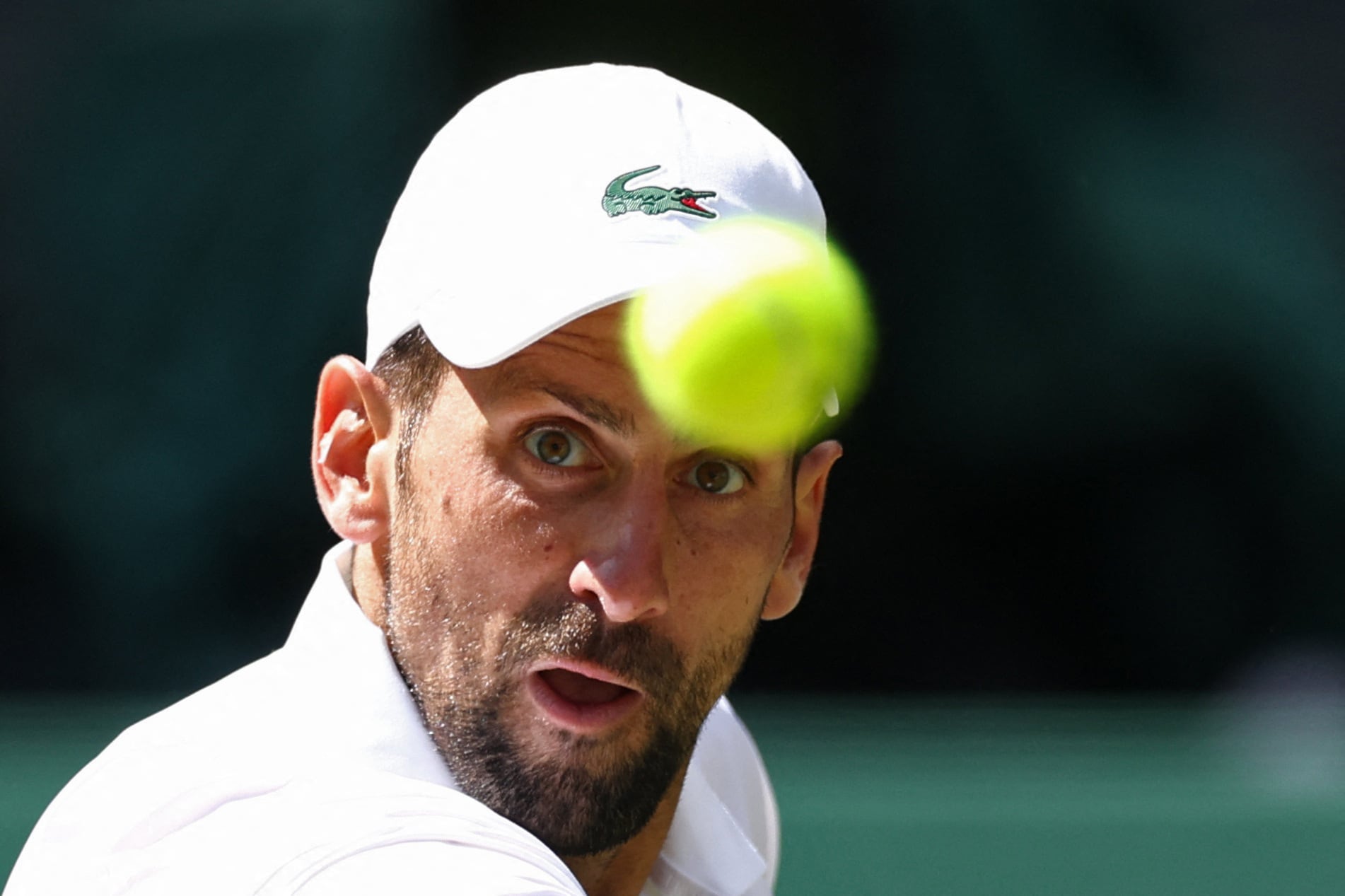
Novak Djokovic, a prominent figure in the sport, is calling for a comprehensive overhaul of the tennis structure. He describes the sport as being caught between conflicting elements, including its romantic appeal, a fragmented system, and players who feel exploited. Djokovic believes that the current framework is not adequately serving the sport's stakeholders. The situation highlights a broader tension within tennis, as it grapples with its rich history and the demands of modernization. This includes navigating economic realities, the desires of top players, and the need for a more unified and equitable system. The sport's leadership faces the challenge of balancing tradition with the imperative for evolution to ensure its future relevance and sustainability.
The call for a comprehensive renovation in tennis, voiced by Novak Djokovic, reflects a common challenge faced by established industries in adapting to evolving economic and social landscapes. The tension between tradition and the need for structural change is a recurring theme, particularly when economic incentives for various stakeholders—players, organizers, and governing bodies—are not fully aligned. Addressing the feeling of players being 'utilized' suggests potential governance issues or revenue distribution models that may require re-evaluation. Looking ahead, the sport's ability to integrate technological advancements, enhance fan engagement, and ensure equitable opportunities will be crucial for its long-term viability in an increasingly competitive global entertainment market. A strategic approach that fosters collaboration and transparency among all actors is essential for navigating these complex dynamics.
AI-generated to prompt reflection — not editorial opinion, not advice, not a statement of fact. How this works.