Tens of Thousands of Photos Revive Wendland History, Including Flax Cultivation and Gorleben Resistance
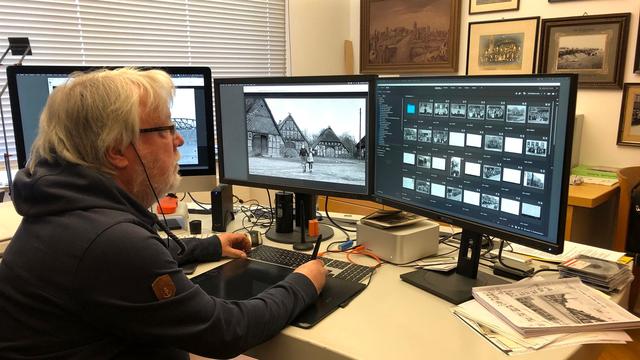
An extensive collection of tens of thousands of photographs is bringing the history of the Wendland region to life. The images document various aspects of local life, including the cultivation of flax, a historically significant crop in the area. A major focus of the photographic archive is the resistance movement against the Gorleben nuclear waste repository. These visual records capture the protests, demonstrations, and community organizing efforts that characterized the opposition to the facility. The collection aims to preserve the memory of these events and the people involved, offering a comprehensive look at the region's past. The photographs serve as a valuable resource for understanding the cultural, agricultural, and political history of Wendland. They highlight the resilience and activism of the local population in the face of significant environmental and political challenges. The project seeks to make this rich visual heritage accessible to a wider audience, ensuring that these stories are not forgotten.
This extensive photographic archive offers a powerful lens through which to examine the intersection of local heritage, agricultural practices, and environmental activism. The collection's focus on both flax cultivation and the Gorleben resistance highlights a region grappling with its identity, balancing traditional livelihoods with contemporary socio-political concerns. The visual documentation of the resistance movement provides a critical historical record, potentially offering insights into grassroots organizing and public engagement strategies that could inform future civic actions. Examining these images through a futurist filter, one can consider how such community-driven narratives will be preserved and accessed in an increasingly digital world, and how they might influence regional development strategies that prioritize both ecological sustainability and cultural continuity.
AI-generated to prompt reflection — not editorial opinion, not advice, not a statement of fact. How this works.