Tensions Rise in Chocó Over Controversial $50,000 Fee
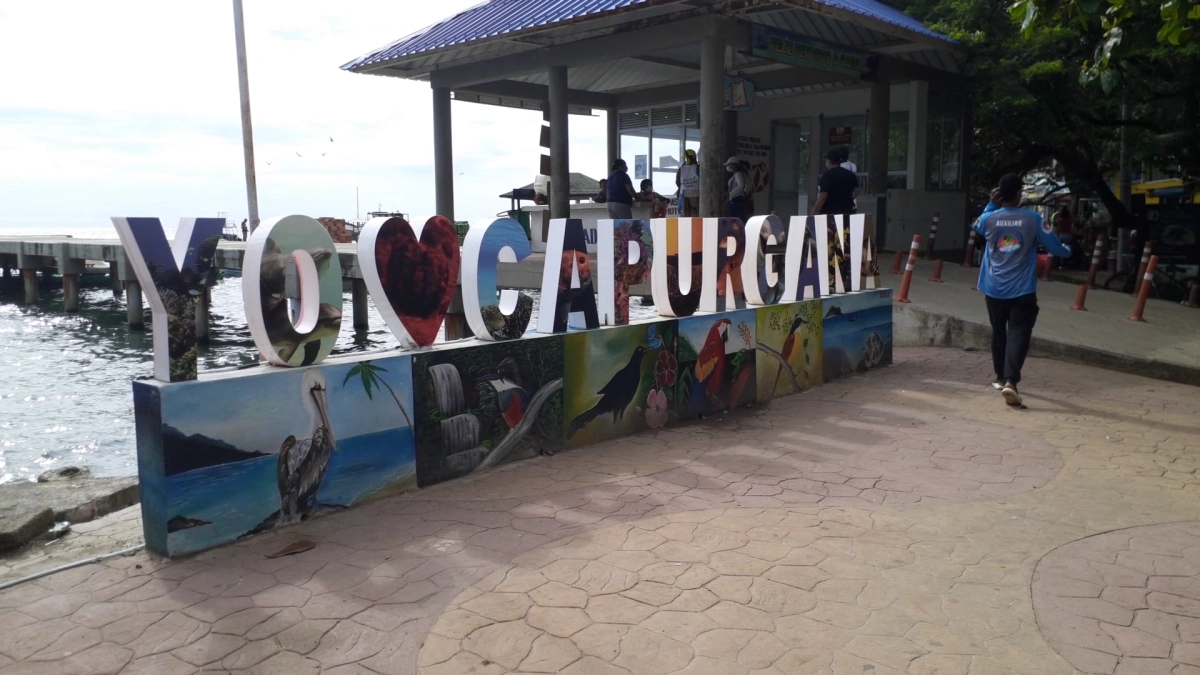
A voluntary measure by the Cocomanorte Council imposing a $50,000 Colombian pesos fee has sparked significant conflict between the communities of Capurganá and Sapzurro in the Chocó region. Local leaders and the Mayor's Office of Acandí are strongly opposing the fee, citing its negative impact on tourism, which is a vital economic driver for the area. The Cocomanorte Council implemented this fee, reportedly as a voluntary contribution, but its mandatory application has led to widespread discontent. This situation highlights a deep division within the communities regarding the management of tourism resources and local governance. The disagreement centers on how to best leverage tourism for community benefit without deterring visitors. The controversy underscores the challenges of balancing local development initiatives with the economic realities of tourism-dependent regions. The differing perspectives between the council and local authorities suggest a need for more inclusive decision-making processes. The economic implications for businesses and residents in Capurganá and Sapzurro are a primary concern. This conflict could potentially affect the future sustainability of tourism in this popular Colombian destination.
The imposition of a mandatory fee, even if framed as voluntary, by a local council can create governance friction, particularly when it impacts a key economic sector like tourism. This situation presents a classic tension between resource management and economic growth, where local authorities may prioritize immediate revenue or control, potentially at the expense of broader economic development and community consensus. The conflict highlights the need for transparent and participatory decision-making processes that consider the diverse interests of all stakeholders, including local businesses, residents, and visitors. Future strategies should aim to balance conservation or community benefit goals with the imperative of maintaining a competitive and accessible tourism market, especially in the context of evolving global travel trends and digital platforms that offer alternative destinations.
AI-generated to prompt reflection — not editorial opinion, not advice, not a statement of fact. How this works.