Terça da Serra Araraquara Opens, Offering a New Approach to Senior Care
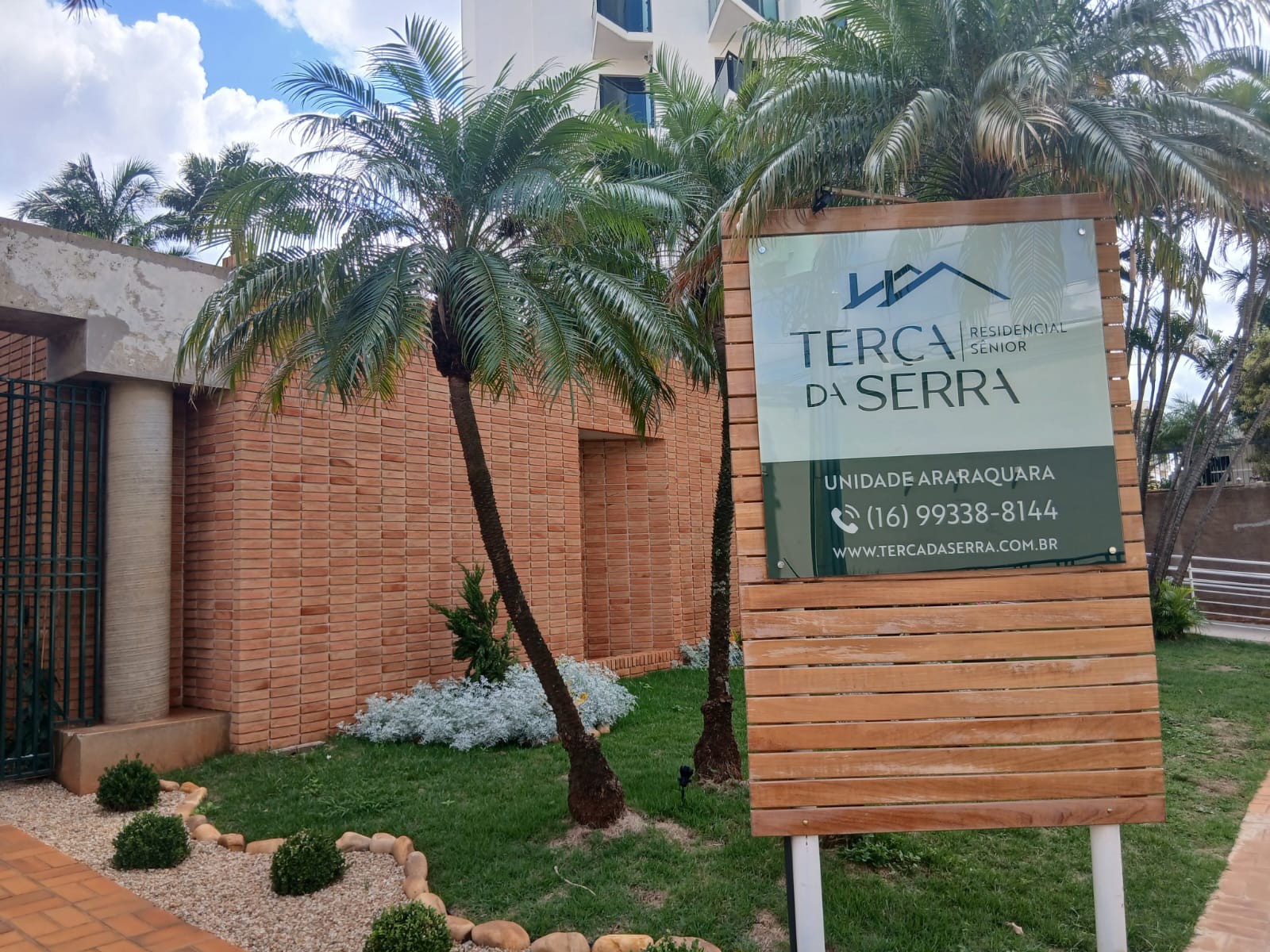
Terça da Serra, a senior living network founded in 2014 by Dr. Joyce Duarte Caseiro, has opened a new unit in Araraquara, Brazil. The initiative was born from a personal family need to find a welcoming environment for an elderly relative, aiming to transform societal perceptions of aging and senior residences. The Araraquara facility, inaugurated in June, is managed by medical professionals Cristiane Mártires and José Henrique da Silva, who bring their healthcare expertise to ensure quality, safety, and comfort for residents. The network's philosophy redefines traditional nursing homes, focusing on creating a home-like atmosphere that promotes autonomy, identity, and social interaction. Residents engage in a variety of cognitive, physical, social, and recreational activities, including physiotherapy, occupational therapy, and music therapy, supported by a multidisciplinary team and nutritionist-designed meal plans. A key feature of Terça da Serra is the active involvement of families, with flexible visiting policies designed to foster stronger relationships and alleviate the burden of caregiving. The center provides individualized care plans based on each resident's history, preferences, and health needs, offering options for permanent residency, day care, and temporary stays for recovery or respite. The organization, which expanded through franchising in 2017 and is now supported by the SMZTO group, aims to provide dignified, meaningful, and respectful living for the elderly, recognizing that each resident's life story guides their care. The Araraquara unit is located at Avenida Mauá, 730, Centro.
The expansion of senior living networks like Terça da Serra reflects demographic shifts and evolving societal approaches to elder care. This model attempts to balance the increasing demand for specialized care with the desire for autonomy and dignity among the elderly, while also addressing the practical challenges faced by families balancing work and caregiving responsibilities. By framing senior residences as supportive environments that preserve identity and foster community, the network seeks to overcome the stigma associated with such facilities. The emphasis on multidisciplinary care, personalized plans, and family involvement highlights a system-level effort to provide holistic support. Future challenges may involve ensuring consistent quality across a growing franchise network and adapting to diverse regional needs and regulatory landscapes, while continuing to innovate in elder care technologies and methodologies.
AI-generated to prompt reflection — not editorial opinion, not advice, not a statement of fact. How this works.