Ter Apel Asylum Center Area Declared High-Risk Zone for Enhanced Security
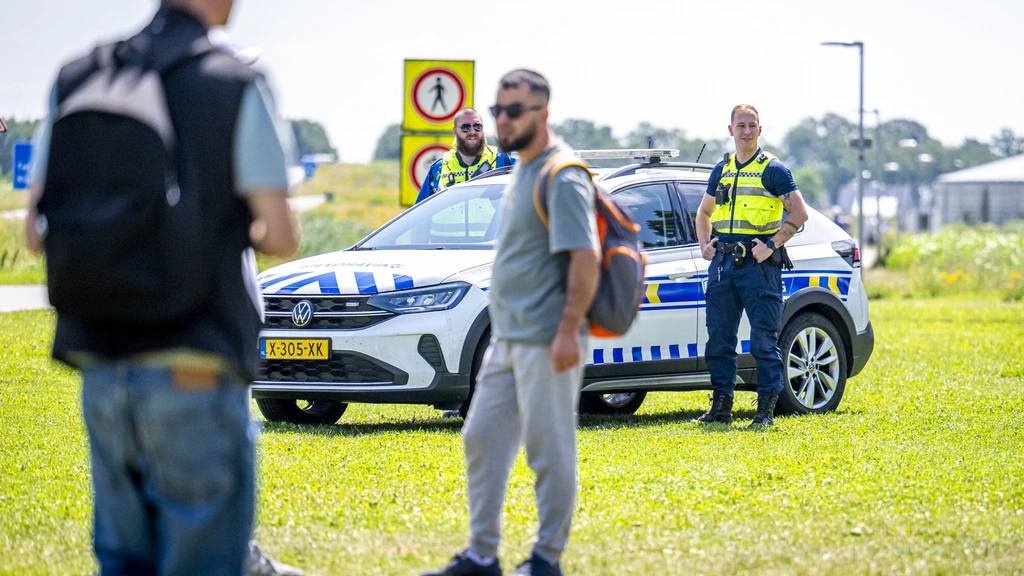
The immediate vicinity of the asylum application center in Ter Apel, Netherlands, will be designated a high-risk security area, permitting preventative body searches. Within the center's grounds, a new day reception facility will be established to prevent asylum seekers from waiting outdoors on the grass. Minister Eric van den Brink of Asylum and Migration announced these measures in a letter to the Dutch House of Representatives, aiming to address escalating insecurity and unrest around the facility. Additional security will be bolstered with extra cameras, four new security guards, and two additional municipal enforcement officers (boa's). Starting Wednesday, an existing building on the center's premises will be utilized for registering new asylum applicants, providing day reception under strict rules to curb violence and disturbances. This development follows the recent departure of the Red Cross and Refugee Work from Ter Apel due to safety concerns arising from fights and stabbing incidents. Since May 20, the Central Agency for the Reception of Asylum Seekers (COA) has operated with limited access to the overcrowded center, admitting only vulnerable individuals like women and children, while others must wait outside for available beds. The government hopes the new day reception will create a clear distinction between genuine asylum seekers and individuals causing disturbances. Discussions involving the COA, police, Red Cross, Refugee Work, and the municipality of Westerwolde have led to the plan for new arrivals to receive day reception on-site before being transported to emergency overnight shelters in the region to prevent loitering. Those who violate the strict house rules at the day reception will be denied entry and face potential criminal prosecution. The minister views these measures as a temporary fix, emphasizing that they do not resolve the underlying issues and reiterating his urgent appeal to all municipalities to offer locations for emergency reception facilities.
The Dutch government's decision to designate the area around the Ter Apel asylum center as a high-risk zone and implement enhanced security measures reflects a reactive approach to managing asylum seeker flows and associated public order challenges. While aiming to de-escalate immediate tensions and improve conditions for both asylum seekers and local communities, these actions highlight systemic pressures within the European asylum system. The creation of a distinct day reception area and stricter rules suggest an attempt to categorize and control migrant populations, potentially exacerbating existing divisions. The minister's acknowledgment of these measures as temporary underscores the need for more sustainable, long-term solutions in asylum reception and integration, which require broader municipal cooperation and a comprehensive strategy addressing root causes of migration and reception capacity limitations. The focus on security and control, rather than solely on humanitarian reception, may indicate shifting political priorities influenced by public sentiment and the strain on municipal resources.
AI-generated to prompt reflection — not editorial opinion, not advice, not a statement of fact. How this works.