Teresópolis: 15 Years Later, Families Still Await Housing After 2011 Floods
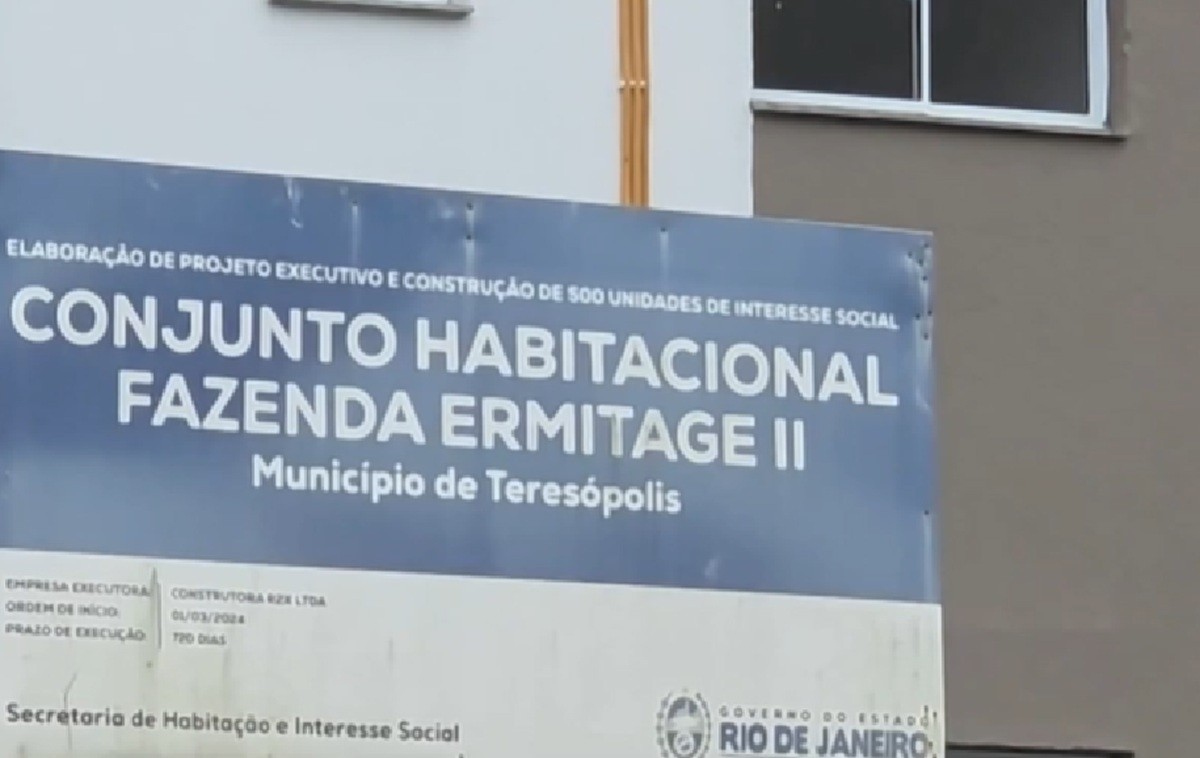
Fifteen years after the devastating 2011 floods in Teresópolis, located in the Serrana Region of Rio de Janeiro, numerous families remain without permanent housing solutions. Many residents had their homes declared uninhabitable and are now facing significant hardship due to cuts in social rent benefits and delays in the delivery of promised public housing. Representatives of the affected population estimate that approximately 500 housing units are still needed, a number they believe is insufficient to house all displaced families. Laura Fermiano, from the Resgate da Cidadania Resiliência movement, warned that over 300 families could be left homeless if new apartments are not provided. The scheduled delivery of the final 500 apartments at the Fazenda Ermitage project, initially planned for January of this year, has been postponed to July 2027. Adding to the concerns, a report by the team of Rio councilman Pedro Duarte has indicated potential signs of overpricing in the construction works, a claim currently under investigation. In response, the Municipal Secretariat of Social Assistance and Human Rights stated that families with active social rent benefits are prioritized for housing units and that assistance is provided on an individual basis. The secretariat also confirmed that the social rent benefit review process is ongoing and that the Prefecture is in dialogue with the Federal Government to integrate the 'Minha Casa, Minha Vida' program.
The prolonged housing crisis in Teresópolis, 15 years after the 2011 floods, highlights systemic challenges in disaster recovery and urban planning. The delays in delivering promised housing, coupled with allegations of overpricing and benefit cuts, suggest potential governance and resource allocation issues. The reliance on social rent benefits, which are subject to review and potential reduction, creates ongoing precarity for vulnerable populations. Future policy interventions should focus on sustainable, long-term housing solutions, transparent procurement processes, and robust social safety nets that are resilient to fiscal pressures. Examining the efficacy of intergovernmental coordination between municipal, state, and federal levels in disaster response and housing provision is critical for preventing similar protracted crises in the future, particularly in the context of increasing climate-related extreme weather events.
AI-generated to prompt reflection — not editorial opinion, not advice, not a statement of fact. How this works.