Teresópolis Commerce Union Seeks Local Meeting on BR-116 Highway Concession Changes
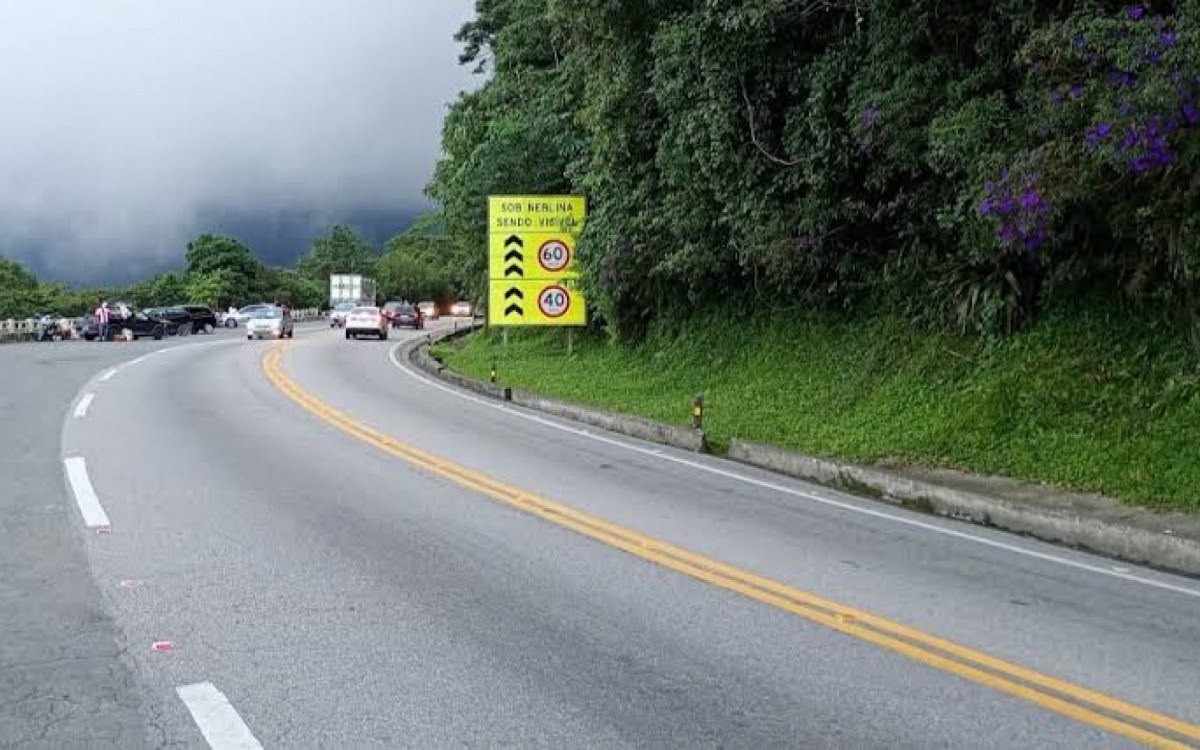
The Teresópolis Retail Commerce Union (Sincomércio), located in the Serrana Region of Rio de Janeiro, has formally requested a participatory meeting in Teresópolis with the National Land Transport Agency (ANTT). The purpose of this meeting is to discuss proposed alterations to the concession contract held by Ecovias RioMinas, which manages segments of the BR-116 and other federal highways. The request was submitted by Sincomércio Teresópolis president, Igor Edelstein, with support from Fecomércio-RJ's presidential advisor, Delmo Pinho. This formal request followed a June 25th ANTT meeting in Rio de Janeiro, attended by 48 participants, where potential changes to the Ecovias RioMinas concession were debated. Federal Deputy Hugo Leal has also backed the proposal for a Teresópolis session, submitting an official letter to the ANTT director-general emphasizing the need for broader municipal involvement from the Serrana Region. Leal argues that decisions about the concession significantly affect local residents, businesses, and BR-116 users, and holding discussions solely in the capital could limit participation from local representatives and productive sectors. Edelstein believes a Teresópolis meeting would enhance public and regional leadership engagement in discussions about the highway's future, highlighting the BR-116's crucial role in the local economy, population mobility, and business competitiveness. He stressed that the proposal aims to increase accessibility for daily road users who experience the concession's impacts firsthand. As of now, no decision has been made regarding the requested meeting.
The request for a local public hearing on the BR-116 concession highlights a common tension between centralized regulatory processes and the direct impact of infrastructure decisions on regional communities. While national agencies are tasked with overseeing large-scale transport networks, ensuring that local stakeholders, including commerce unions and residents, have accessible platforms to voice concerns is crucial for equitable governance. The argument that holding discussions solely in the capital may disenfranchise regional actors points to potential systemic inefficiencies in public consultation frameworks. Future infrastructure governance models might benefit from decentralized engagement strategies that proactively incorporate diverse local perspectives, thereby fostering greater legitimacy and potentially smoother implementation of concession terms by addressing on-the-ground realities and economic dependencies early in the process.
AI-generated to prompt reflection — not editorial opinion, not advice, not a statement of fact. How this works.