Teresópolis Merchants Complain of Traffic Changes Hindering Customer Access
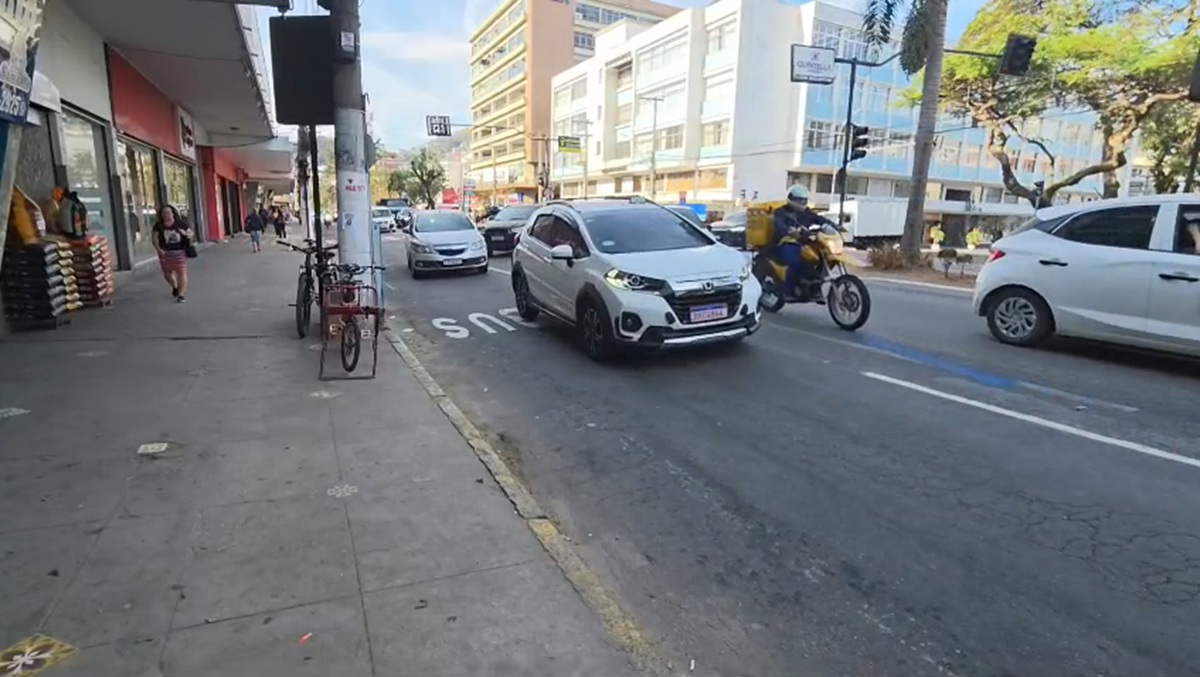
Merchants in the central region of Teresópolis, located in the Serrana region of Rio de Janeiro, are expressing strong dissatisfaction with recent traffic modifications on Lúcio Meira and Feliciano Sodré avenues. They report that these changes have significantly complicated customer access to their stores and service providers. Specific grievances include the installation of barriers preventing pedestrian crossings in certain sections, the removal of existing crosswalks, and a strict prohibition on stopping for passenger pick-up and drop-off. Business owners claim these measures have led to a noticeable decline in foot traffic, as many customers are deterred by the difficulty of finding places to park or stop their vehicles in the area. Even brief stops for essential pick-ups or drop-offs are reportedly subject to fines, creating a climate of apprehension.
The new regulations are also negatively impacting elderly individuals and people with disabilities, who are finding it increasingly challenging to reach establishments situated along these two main avenues. Store managers have noted instances where customers have been fined for attempting to stop, highlighting the logistical hurdles, particularly for seniors who must now park further away and navigate multiple lanes of traffic. Merchants are advocating for designated pick-up and drop-off zones to alleviate these issues, with some even offering to fund construction, though these proposals have reportedly been met with no response from the municipality. The Teresópolis City Hall stated that the alterations are part of the city's urban mobility plan and that there are no current plans for implementing dedicated pick-up and drop-off areas, reiterating that stopping remains prohibited and subject to penalties.
The traffic modifications in Teresópolis, while framed by the municipality as a component of urban mobility planning, have created a direct conflict between public policy objectives and the economic viability of local businesses. The imposition of restrictions on stopping and pedestrian access, coupled with enforcement through fines, appears to prioritize traffic flow over commercial accessibility. This approach may inadvertently disincentivize local commerce, potentially leading to reduced economic activity in the city center. Future urban planning initiatives could benefit from a more integrated approach that balances traffic management with the essential needs of businesses and diverse user groups, such as the elderly and disabled, by exploring solutions like strategically placed, short-term stopping zones. The current policy risks creating systemic friction between municipal governance and the entrepreneurial ecosystem it is meant to support.
AI-generated to prompt reflection — not editorial opinion, not advice, not a statement of fact. How this works.