Teresópolis Residents Demand Traffic Calming on RJ-142 Highway
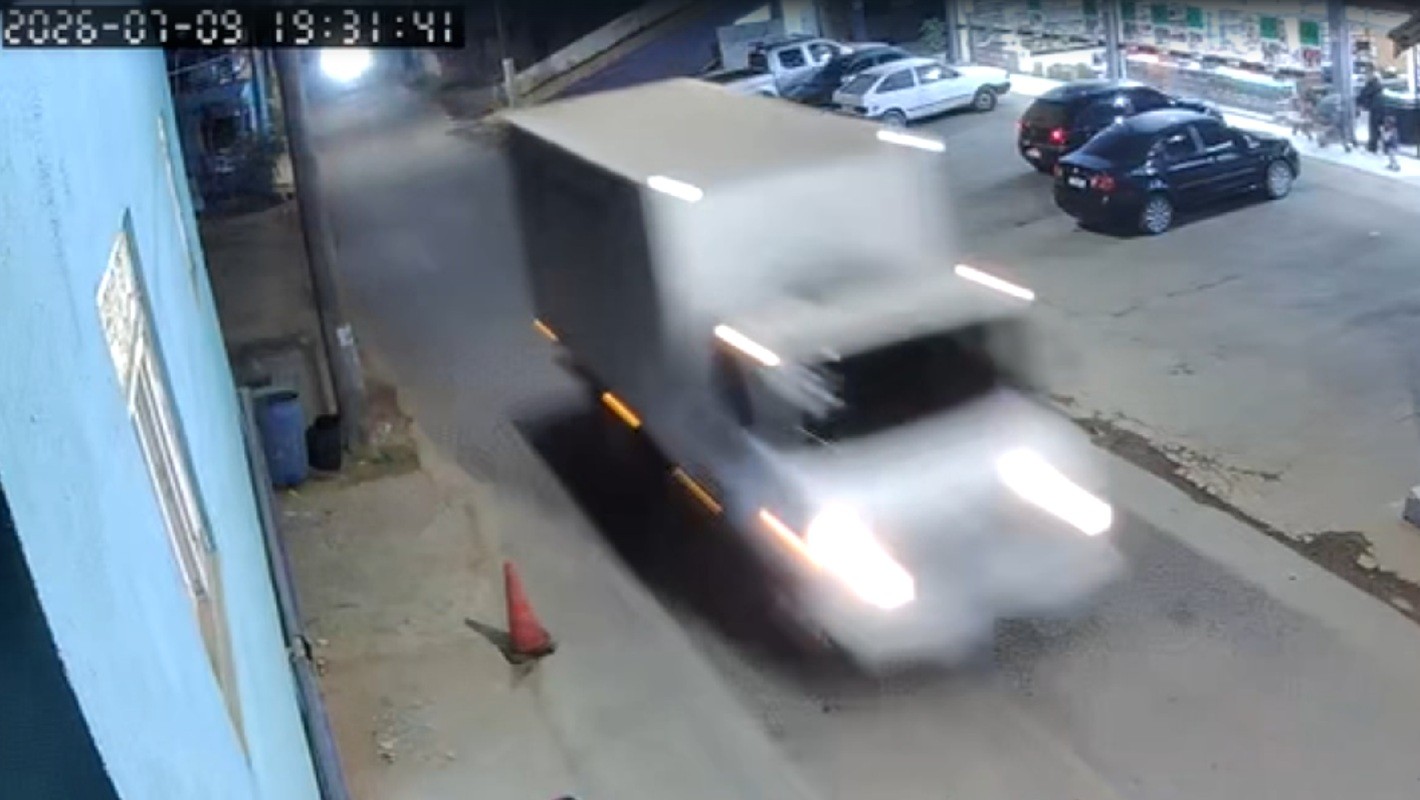
Residents of Água Quente in Teresópolis, Rio de Janeiro, are urgently calling for safety measures on the urban section of the RJ-142 highway due to excessive speeding. The road passes through the community, experiencing heavy vehicle traffic and significant pedestrian activity, creating a dangerous environment. Residents have reported that speeding and reckless driving put pedestrians at constant risk, with many incidents and near-misses occurring frequently. They are advocating for the installation of speed bumps and other traffic calming devices to reduce vehicle speeds. Public servant Carlos Henrique Monteiro noted that the road became more dangerous after being paved, as vehicles now travel much faster than when it was in disrepair. Residents are requesting speed cameras or speed bumps to enhance safety. The State Department of Roadways of Rio de Janeiro (DER-RJ), responsible for the RJ-142, was contacted for information on improvement projects but had not responded by the time of publication. The Municipal Secretary of Urban Mobility, Sérgio Mauro, acknowledged the residents' concerns and indicated the municipality's willingness to act. He stated that several council members have formally requested speed bumps from DER-RJ and that the Prefecture will install them if the state agency fails to do so.
The situation in Água Quente highlights a common conflict between infrastructure development and community safety, particularly where arterial roads bisect residential areas. While paving may improve road conditions, it can inadvertently incentivize higher speeds, exacerbating existing risks. The residents' demand for physical traffic calming measures like speed bumps reflects a pragmatic approach to mitigating immediate dangers. The interplay between the state's road authority (DER-RJ) and the municipal government (Prefeitura) reveals potential governance gaps and delays in responding to public safety concerns. The commitment from the Municipal Secretary to intervene if the state does not act suggests a potential for local government to proactively address infrastructure-related safety issues, though this may also lead to jurisdictional complexities and funding challenges. Looking ahead, urban planning strategies increasingly emphasize 'complete streets' and traffic calming integrated from the design phase to prevent such safety predicaments, especially as autonomous vehicle integration may necessitate new approaches to speed management in mixed-use environments.
AI-generated to prompt reflection — not editorial opinion, not advice, not a statement of fact. How this works.