Teresópolis Sees Nearly 19,000 Traffic Violations, 90% Due to Parking
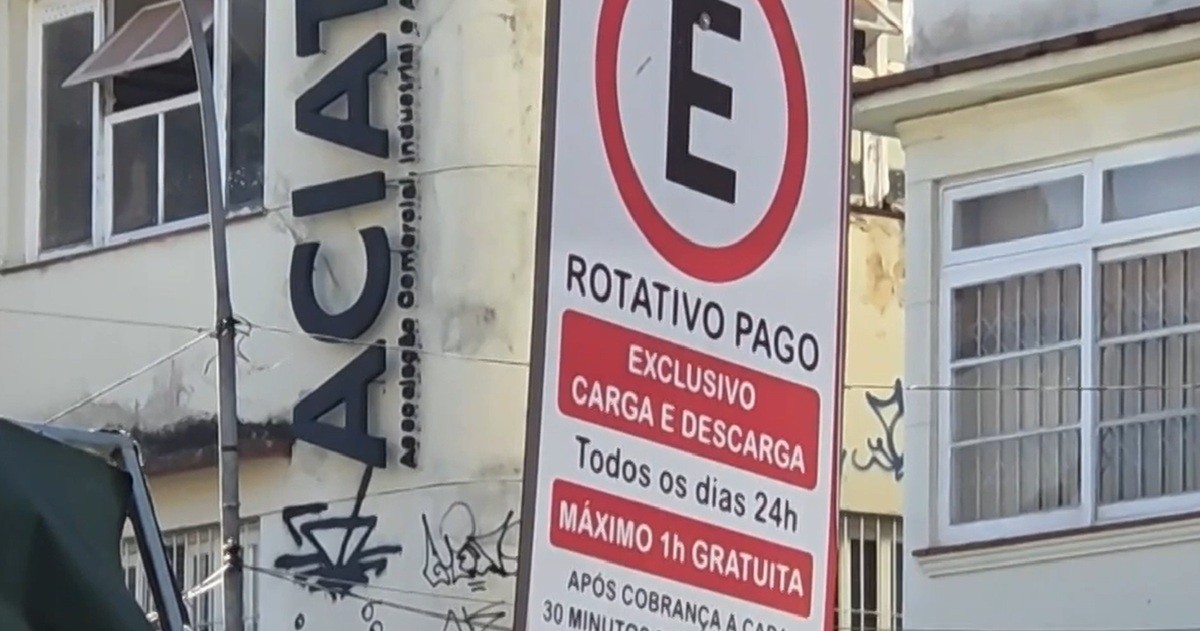
Between January and May of this year, the city of Teresópolis in Brazil's Rio de Janeiro state recorded 18,970 traffic violations. The Municipal Civil Guard reported that approximately 90% of these infractions were for irregular parking. Drivers have expressed significant difficulties with the city's rotational parking system. Common complaints include issues with the payment application, which sometimes fails to register transactions. Users also report a lack of guidance from agents and unavailability of street-level payment kiosks. Drivers who exceed the allowed parking time and cannot resolve their status face penalties. The hourly parking rate is R$3, but failure to renew can result in a R$30 regularization fee, ten times the hourly cost. If this fee is not paid within six days, the infraction escalates to a R$195.23 traffic fine from Detran-RJ, along with points deducted from the driver's license. Notifications are typically left on vehicles, but drivers fear these notices can fall off or be removed, leading to missed deadlines. Some drivers, like tour guide Ana Cecília Siqueira, claim to have received fines for days their vehicles were not even parked, highlighting a lack of clear communication for tourists and a negative impression of the city. The Teresópolis City Hall stated that payments can be made at two service points, kiosks, or via the DigiPare app, and that debts can be checked on the official city website. Despite these options, some drivers, such as payment systems agent Taylor Rocha, struggle to access violation information without the physical notification, suggesting improvements like app-based alerts or SMS notifications.
The high volume of parking violations in Teresópolis, comprising 90% of all traffic infractions, suggests a systemic issue with the rotational parking system's implementation and user interface. Drivers' complaints about the app, kiosks, and lack of clear communication point to potential design flaws and insufficient public outreach. The penalty structure, where a R$3 hourly fee can escalate to a R$195.23 fine plus license points, creates significant financial risk for users encountering technical or informational barriers. This situation highlights a common tension between municipal revenue generation and the practical usability of urban management systems. Future improvements should focus on user-centric design, robust technical support, and transparent communication channels, potentially leveraging digital notifications beyond physical notices to mitigate user error and dissatisfaction, thereby fostering better compliance and a more positive civic experience.
AI-generated to prompt reflection — not editorial opinion, not advice, not a statement of fact. How this works.