Teresina Bus Terminal Damaged Over a Month Ago, Repairs Still Pending
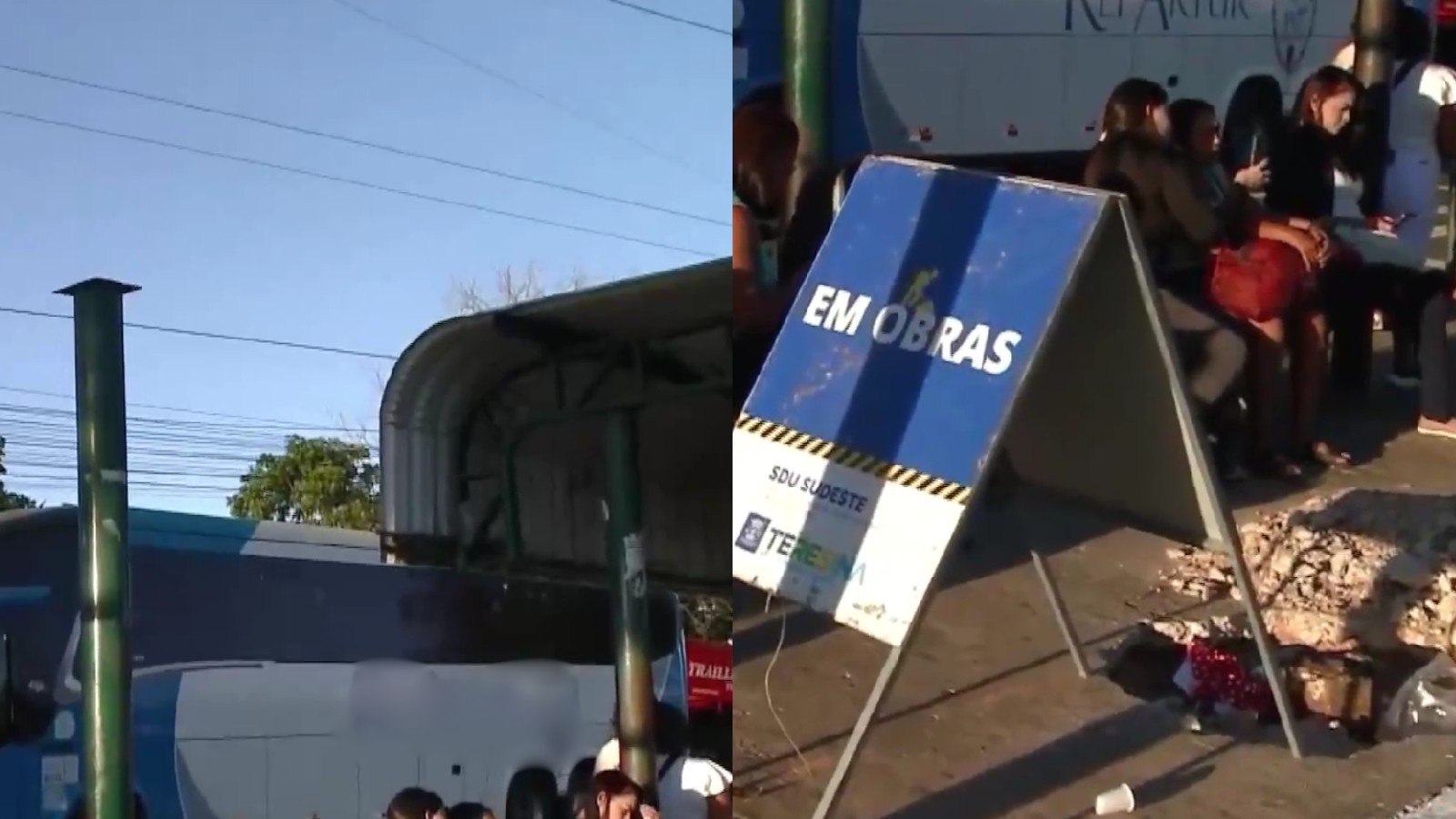
More than a month after an accident damaged the informal bus terminal structure on BR-343 in Teresina's Uruguai neighborhood, repairs have yet to be completed. The terminal, a daily hub for hundreds of passengers and local vendors, remains partially exposed. The incident occurred on May 29th when a pickup truck driver lost control and struck a support column, causing a section of the roof to collapse. Fortunately, no injuries were reported. In the days following the collision, the damaged column and roof remained in place, raising safety concerns among passengers. A recent visit confirmed that the damaged roof section has been removed and a sign indicating "under construction" has been posted by the city. Without a roof, some passengers are left waiting in direct sunlight. The Superintendency of Urban Development Sudeste (SDU Sudeste) stated that the new roof is currently being manufactured and will be installed soon, ensuring a safe and adequate delivery to the public. The SDU Sudeste also confirmed that the area was promptly isolated and the damaged structure removed after the accident. They emphasized that the replacement process is being expedited while prioritizing material quality, structural safety, and durability. The municipal government and SDU Sudeste reaffirmed their commitment to urban development in Teresina, adhering to legal processes for projects and services.
The prolonged delay in repairing the Teresina bus terminal highlights potential inefficiencies in municipal infrastructure management and public works procurement. The incident, while resulting in no injuries, exposed vulnerabilities in the terminal's structural integrity and the city's responsiveness to public safety concerns. The explanation citing the manufacturing and installation timeline for a new roof suggests that critical infrastructure components may not be readily available or that the approval processes for repairs are lengthy. This situation raises questions about the resilience of public transportation hubs and the preparedness of urban development agencies to address unforeseen damage promptly. Moving forward, optimizing supply chains for construction materials and streamlining repair protocols could enhance the city's ability to maintain essential public services and ensure passenger safety, especially in the face of increasing climate variability impacting infrastructure.
AI-generated to prompt reflection — not editorial opinion, not advice, not a statement of fact. How this works.