Teresina City Hall Defines New Boundaries for Child Protection Councils
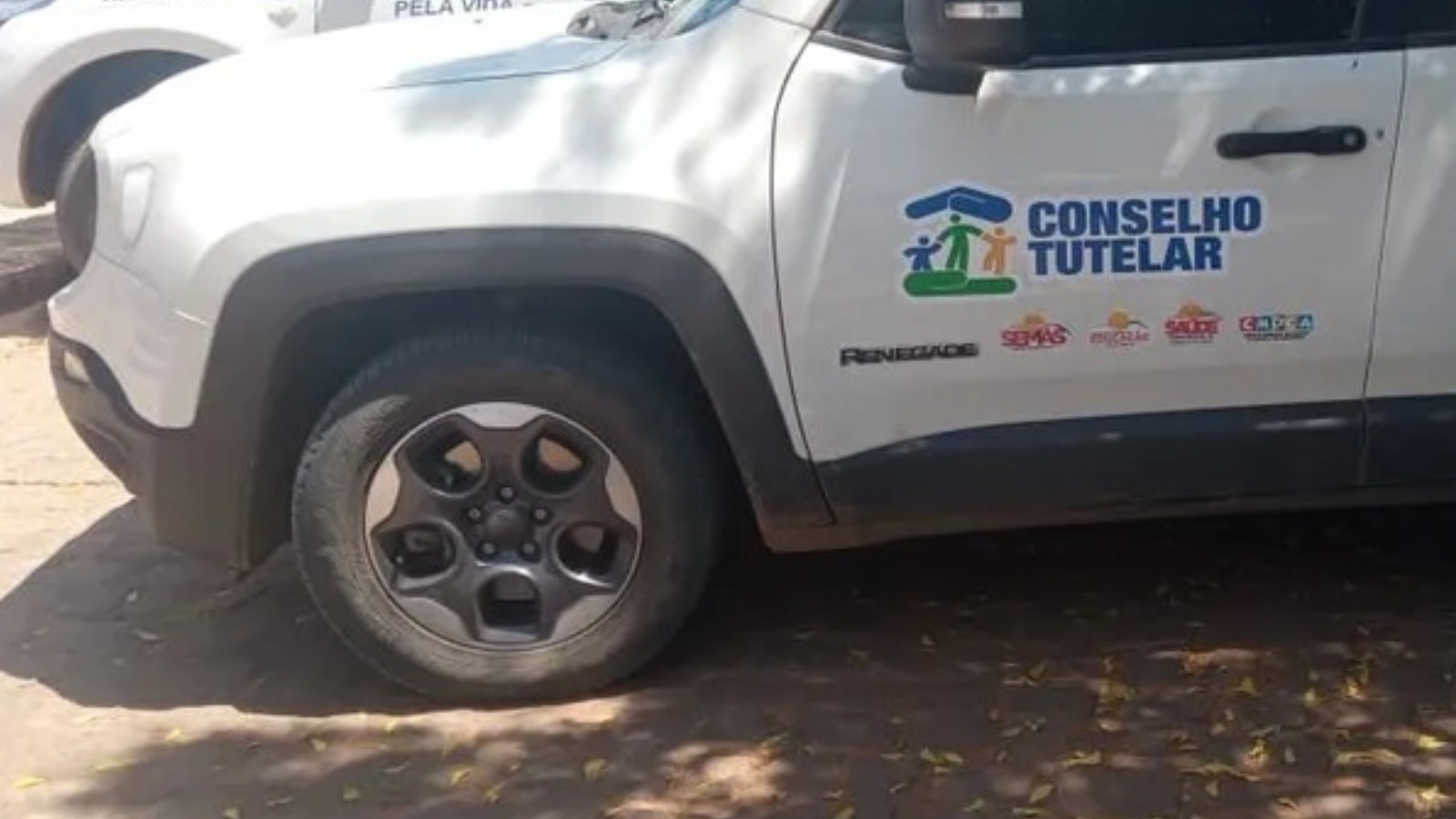
The Teresina City Hall has officially established new administrative boundaries for its Child Protection Councils (Conselhos Tutelares) through Decree Nº 28.924, published on July 17th. This decree, signed by Mayor Silvio Mendes and Government Secretary Victor Samuel Alves Alencar, delineates specific neighborhoods and regions under the jurisdiction of each council. These councils are crucial bodies, mandated by the Statute of the Child and Adolescent (ECA), responsible for safeguarding the rights of children and adolescents. They are to be contacted in cases of physical, psychological, or sexual violence, abandonment, mistreatment, neglect, children out of school or working, lack of access to essential services like healthcare, food, or housing, drug use, or any situation endangering a child's well-being. The decree, based on municipal legislation and an administrative process, came into effect immediately upon its publication in the Official Gazette. The new territorial organization divides the city into seven councils, each with a defined set of neighborhoods and, in some cases, rural areas. For instance, Council I covers the Center and North I zones, while Council II encompasses the Southeast zone, including specific urban nuclei and rural villages. Council III serves the South I zone, Council IV the East I zone, Council V the North II zone, Council VI the East II zone, and Council VII the South II zone, each with its own list of covered areas and rural communities.
The Teresina City Hall's decree to redefine the administrative boundaries of its Child Protection Councils aims to optimize the delivery of essential child welfare services. By clarifying jurisdictional areas, the municipality seeks to enhance the efficiency and responsiveness of these councils in addressing critical issues such as violence, neglect, and lack of access to basic needs. This administrative reorganization reflects a systemic effort to improve governance in child protection, ensuring that vulnerable populations receive timely support. The effectiveness of this measure will depend on clear communication to the public and adequate resource allocation to each council, enabling them to manage their defined territories effectively. Future evaluations should consider the impact on case resolution times and the overall well-being of children and adolescents within each jurisdiction.
AI-generated to prompt reflection — not editorial opinion, not advice, not a statement of fact. How this works.