Teresina Halts IPTU Collection on Built Properties Following Court Order
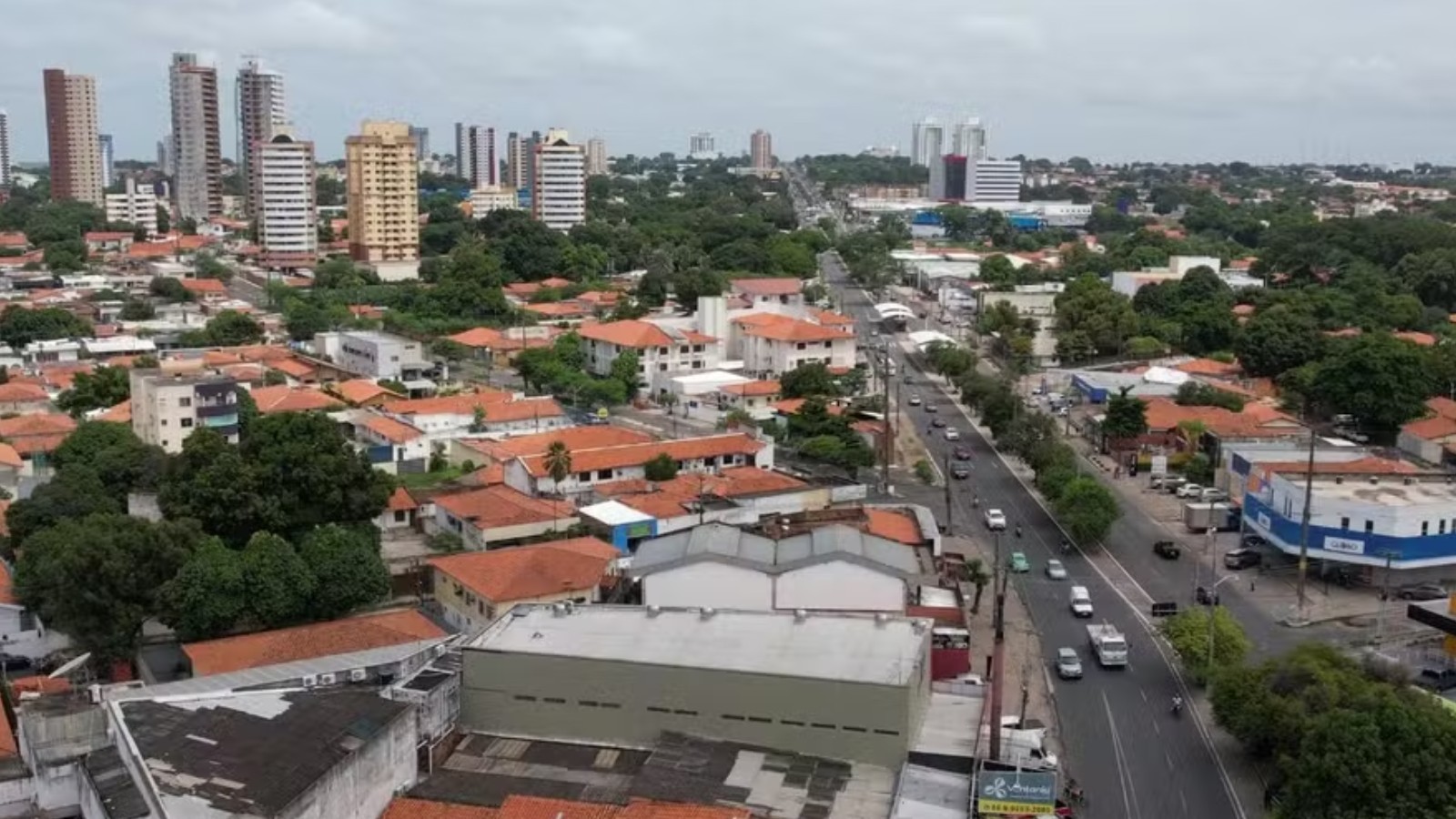
The Municipality of Teresina, the capital of Piauí, has suspended the collection of the 2026 IPTU (Property Tax) for properties with existing structures, including houses, apartments, and commercial establishments. This decision is in compliance with a ruling by the Piauí Court of Justice (TJ-PI) and affects even the second installment of the tax, originally due at the end of July. The suspension will remain in effect until a new judicial decision is issued. Collection of IPTU for vacant land (terrenos sem construção) continues as normal. Taxpayers with built properties who wish to pay voluntarily can only do so in person at the Taxpayer Service Center in downtown Teresina. The Municipal Attorney General's Office (PGM) recommended the suspension after the TJ-PI ruled in favor of the Brazilian Bar Association, Piauí Section (OAB-PI). The OAB-PI had challenged the calculation model used for the 2026 IPTU, leading the court to order the municipality to recalculate the tax for affected properties. Municipal finance officials met to discuss the implications of the ruling, and the administration intends to appeal the judicial determination. The suspension specifically targets properties with construction, as clarified by the Deputy Municipal Finance Secretary, Maria do Socorro Ribeiro, distinguishing them from vacant land taxes. The dispute arose from an update to the Generic Property Value Plan, which had not been updated for over a decade. Initially planned as a direct adjustment, the municipality later agreed to a staggered increase, with an approximate 25% update scheduled for 2026. The OAB-PI argued that the recalculation process contained irregularities, prompting the TJ-PI's order for a new calculation.
The Teresina municipal government's decision to suspend IPTU collection on built properties reflects a common tension between municipal revenue needs and legal compliance regarding tax assessment methodologies. The court's intervention, prompted by the OAB-PI's challenge, highlights the importance of transparent and legally sound valuation practices for property taxes. The municipality's intent to appeal suggests a belief that its original calculation method, despite being challenged, aligns with fiscal objectives or regulatory frameworks. This situation underscores the systemic challenge for local governments in balancing the need for updated property valuations to reflect market realities and ensure adequate public service funding, with the imperative to adhere to due process and avoid arbitrary or inequitable tax burdens on citizens. Future municipal fiscal strategies may need to incorporate more robust public consultation and legal review phases for significant tax policy changes to mitigate such disputes and ensure long-term revenue stability.
AI-generated to prompt reflection — not editorial opinion, not advice, not a statement of fact. How this works.