Teresina Home Cleanup: Over 40 Tons of Waste Removed from Heavily Accumulated House
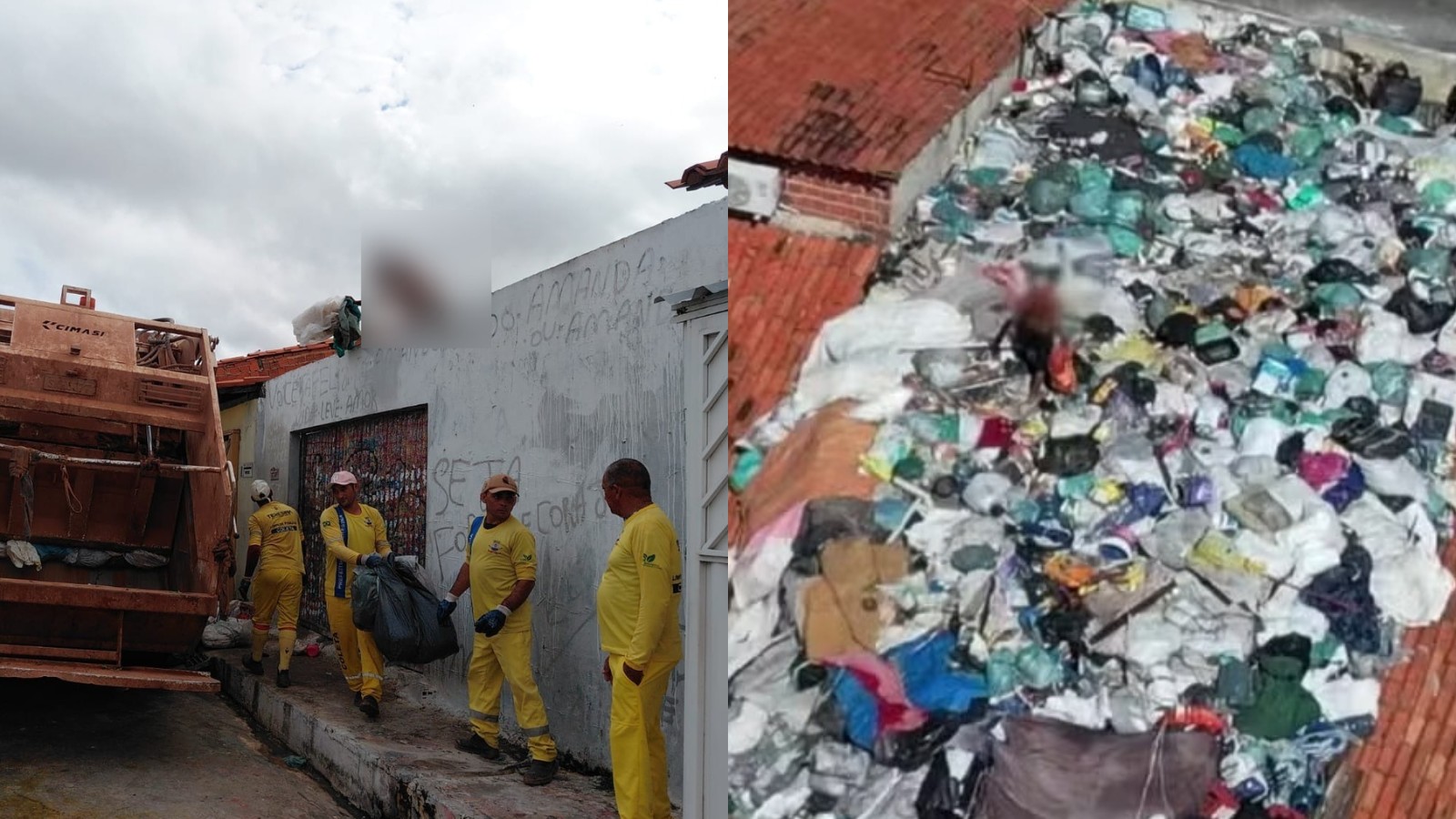
A significant cleanup operation is underway at a residence in the Promorar neighborhood of Teresina, Brazil, where a man had accumulated waste to the extent that it reached the roof. Over 40 tons of refuse have been removed from the property over the past 12 days, with the complex work still ongoing. The operation began on July 9th after the house was isolated to allow for the removal of the extensive waste. Aerial images from July 3rd showed the resident walking on the piled-up garbage. The initial expectation was to complete the cleanup within three days, but the sheer volume of materials and unforeseen difficulties, including an issue with the electrical wiring requiring assistance from Equatorial, have prolonged the process. The Superintendent of Urban Development South (SDU Sul), Isaac Meneses, stated that the meticulous work continues to ensure the safety of the workers. Much of the accumulated material was recyclable but had deteriorated significantly, leading to its disposal at a sanitary landfill. A definitive end date for the cleanup has not yet been set due to the complexity, though completion is hoped for this week. The resident, who works in recycling, is receiving social assistance from specialized centers (Creas and Caps) and is staying with family members. He will only return to his home once it is deemed habitable. He is also set to undergo a social reintegration process, including a job opportunity and psychological support. Additionally, SDU Sul will assess the structural integrity of the house and neighboring properties for any damage caused by the long-term accumulation of waste.
This event highlights the critical intersection of public health, urban management, and social welfare. The extensive accumulation of waste points to potential underlying issues such as hoarding disorder or severe mental health challenges, necessitating a comprehensive social and psychological support system alongside the physical cleanup. The prolonged duration and complexity of the removal underscore the logistical challenges faced by municipal authorities in addressing such extreme cases, particularly when safety hazards like electrical issues arise. The assessment of structural damage to adjacent properties also raises questions about long-term urban planning and the responsibility for maintaining safe living conditions in densely populated areas. Moving forward, proactive identification and intervention strategies for individuals exhibiting hoarding behaviors, coupled with robust inter-agency collaboration between social services, health providers, and urban development departments, could mitigate the escalation of such situations and their impact on communities.
AI-generated to prompt reflection — not editorial opinion, not advice, not a statement of fact. How this works.