Teresina Home Cleared of 45 Tons of Waste After Accumulation Reached Roof
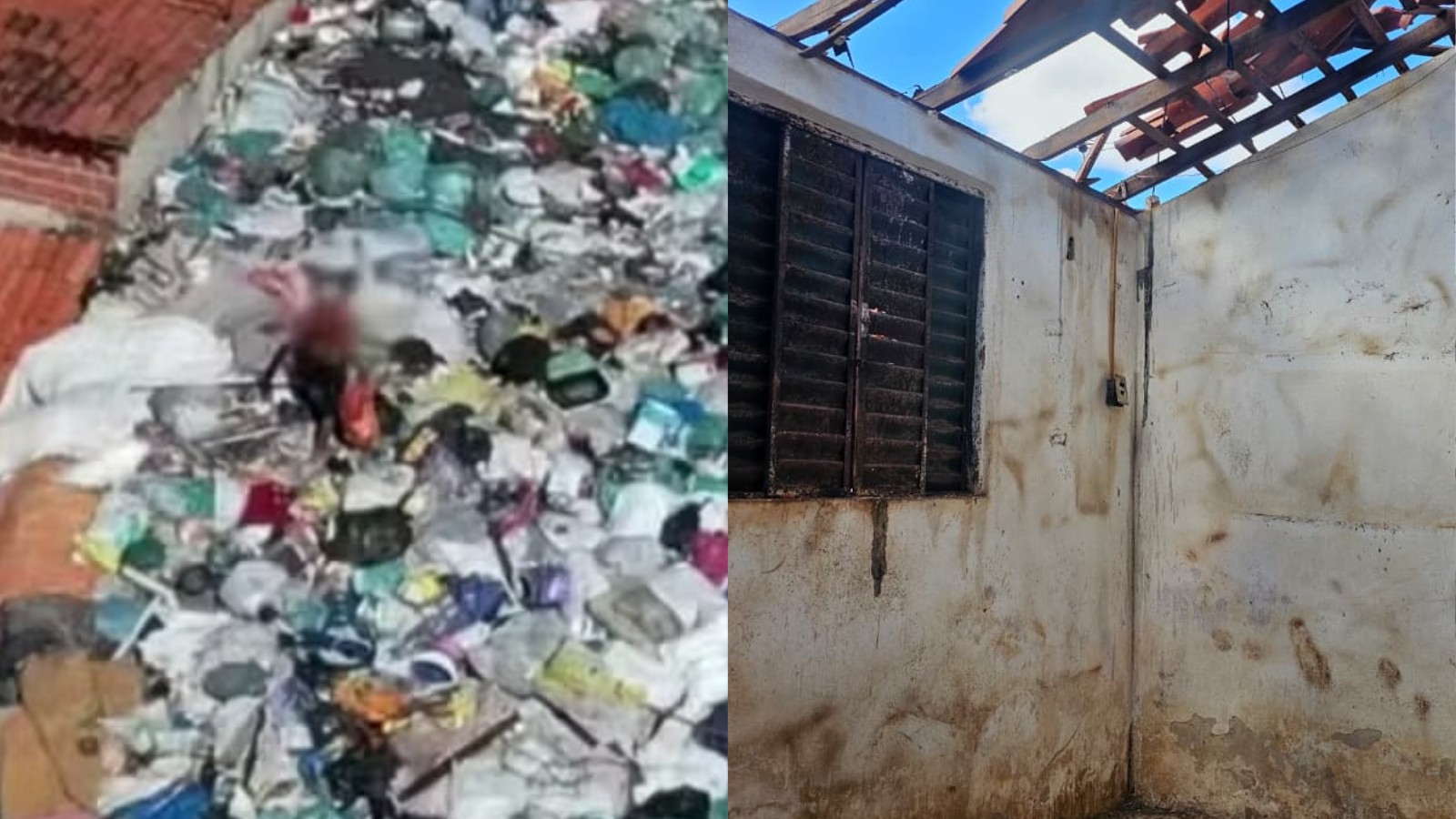
A house in the Promorar neighborhood of Teresina, Brazil, has undergone a significant transformation after approximately 45 tons of waste were removed, with accumulations having reached the roof. The extensive cleaning operation began on July 9th and concluded on Tuesday, July 21st, according to the Superintendency of Urban Development South (SDU Sul). Aerial images from July 3rd had shown the resident walking on top of the piled-up refuse. Items removed from the property included toilet paper, pots, old freezers, steel materials, wood, appliances, and furniture. Around 20 workers were involved in the cleanup, which also addressed wiring entangled in the ceiling. Much of the accumulated material was recyclable but had deteriorated significantly, leading to its disposal at a sanitary landfill. The removal of the waste has already brought relief to neighbors, who reported a reduction in insects and rodents that had previously been a nuisance. The resident, who works in recycling, is receiving social assistance from the Specialized Reference Center for Social Assistance (Creas) and the Psychosocial Care Center (Caps). He is currently staying with family and will only return once the home is habitable. The SDU Sul will also assess the structural integrity of the house and neighboring properties for any damage caused by the long-term accumulation. The resident is slated for social reintegration, including a job opportunity and psychological support.
This situation highlights the complex interplay between individual circumstances and public health. The extensive waste accumulation likely stemmed from underlying personal challenges, necessitating a multi-faceted response that includes not only physical cleanup but also social and psychological support for the resident. The intervention by social services and the planned reintegration process are crucial for preventing recurrence. From a public health perspective, the reduction of pests in neighboring properties underscores the broader community impact of such situations. Looking ahead, robust community support systems and accessible mental health services are vital for early intervention, preventing the escalation of such issues and ensuring dignified living conditions for all residents.
AI-generated to prompt reflection — not editorial opinion, not advice, not a statement of fact. How this works.