Teresina Home Cleared of Roof-High Trash After 12-Day Operation
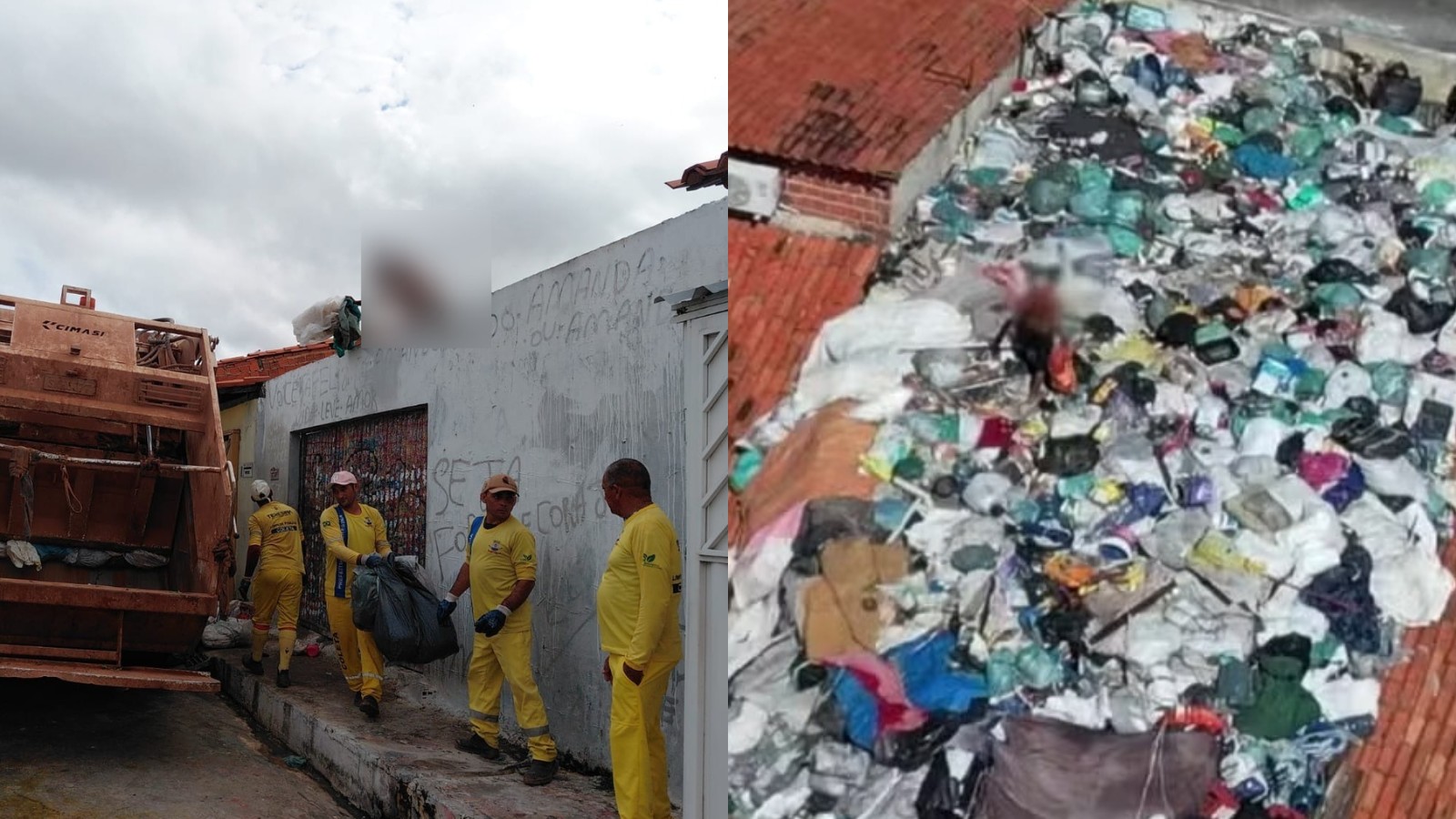
A significant cleanup operation in the Promorar neighborhood of Teresina, Brazil, has removed over 40 tons of waste from a residence where trash had accumulated to the roof. The extensive cleaning effort, which began on July 9th, involved a team of approximately 20 workers from the Superintendency of Urban Development (SDU) South. Materials recovered include toilet paper, cookware, steel, wood, appliances, and furniture. The operation is complex and expected to continue throughout the week. Aerial images from July 3rd showed the resident walking on the piled-up garbage. The SDU South superintendent, Isaac Meneses, stated that many recyclable materials were found but were rejected by local cooperatives due to contamination from leachate, commonly known as "chorume." This liquid, generated by decomposing waste, renders materials unusable for recycling and necessitates disposal at a sanitary landfill. Social workers are assisting the resident, who exhibits difficulty parting with items like an old freezer, and has been observed attempting to filter out materials he did not want removed. The resident, who receives support from Creas and Caps, is currently staying with relatives and will return only after the home is deemed habitable and structurally sound, following pest control measures. The SDU South also plans to organize donations to aid the resident.
This situation highlights the intersection of public health, urban management, and social support systems. The accumulation of waste to this extreme level presents significant sanitation risks and challenges for neighbors, necessitating swift municipal intervention. The discovery of contaminated recyclables underscores the environmental consequences of improper waste management and the limitations of recycling infrastructure when faced with extreme conditions. The resident's need for social and psychological support, as indicated by the involvement of social services and mental health centers, points to the underlying complexities of hoarding behaviors. Future interventions could benefit from integrated approaches that address waste management alongside mental health and social welfare, potentially preventing such extreme situations and mitigating their impact on communities. The long-term success of such interventions hinges on sustained support and addressing the root causes of accumulation, rather than solely focusing on the removal of waste.
AI-generated to prompt reflection — not editorial opinion, not advice, not a statement of fact. How this works.