Teresina Home Undergoing Renovation After 45 Tons of Waste Removal
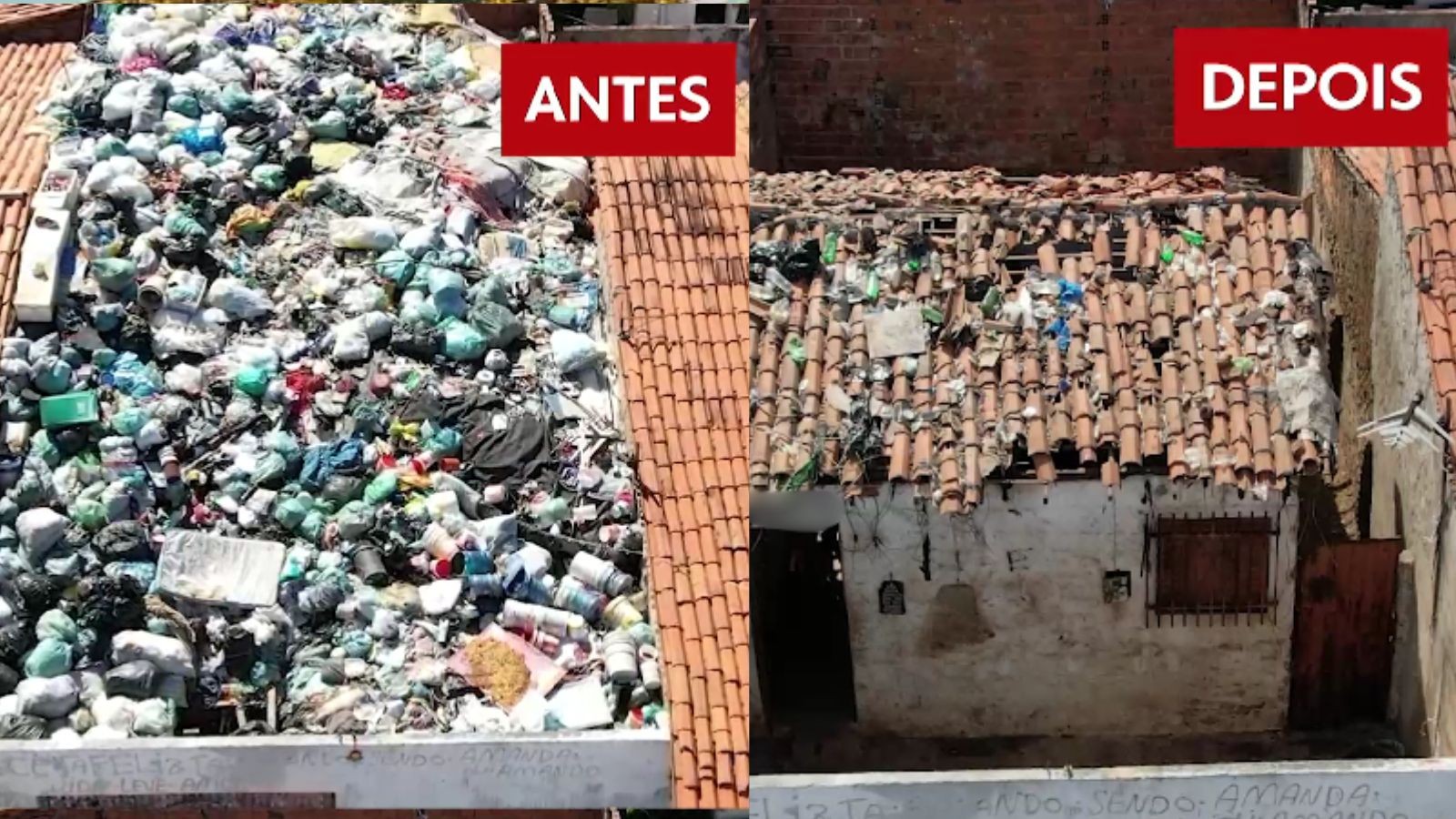
A house in the Promorar neighborhood of Teresina, Brazil, which was filled with waste up to its roof, is set to undergo a complete renovation. Approximately 45 tons of refuse were removed from the property. The extensive cleaning operation began on July 9 and concluded on Tuesday, July 21, according to the Superintendency of Urban Development (SDU) Sul. The effort involved a team of around 20 workers.
During the renovation period, the resident will receive municipal assistance to cover housing costs, as stated by SDU Sul. He is currently staying with relatives. An engineering and architecture team has conducted a technical assessment of the property, and plans are underway to determine the best social programs to support the resident, ensuring he has a place to stay throughout the renovation. The man has also been offered employment and is receiving support from social assistance teams, including the Specialized Reference Center for Social Assistance (Creas) and the Psychosocial Care Center (Caps).
The SDU Sul will also inspect neighboring properties for any structural damage caused by the long-term accumulation of waste. Residents have reported initial improvements, noting a reduction in insects and pests following the waste removal. A neighbor observed that rats, cockroaches, crickets, and ants are beginning to move away, indicating an improvement in living conditions.
This situation highlights the complex interplay between individual well-being, public health, and urban governance. The extensive waste accumulation likely stemmed from underlying personal challenges, necessitating a multi-faceted response that extends beyond simple cleanup. The municipality's approach, encompassing housing assistance, social support, and employment opportunities, addresses the immediate crisis while aiming for sustainable reintegration of the resident. Future urban planning could benefit from proactive identification and support systems for individuals exhibiting hoarding behaviors to prevent such large-scale public health and safety issues from developing, thereby optimizing resource allocation and community well-being.
AI-generated to prompt reflection — not editorial opinion, not advice, not a statement of fact. How this works.