Teresina Language Center Offers 720 Free Spots in Language, Libras, and Writing Courses
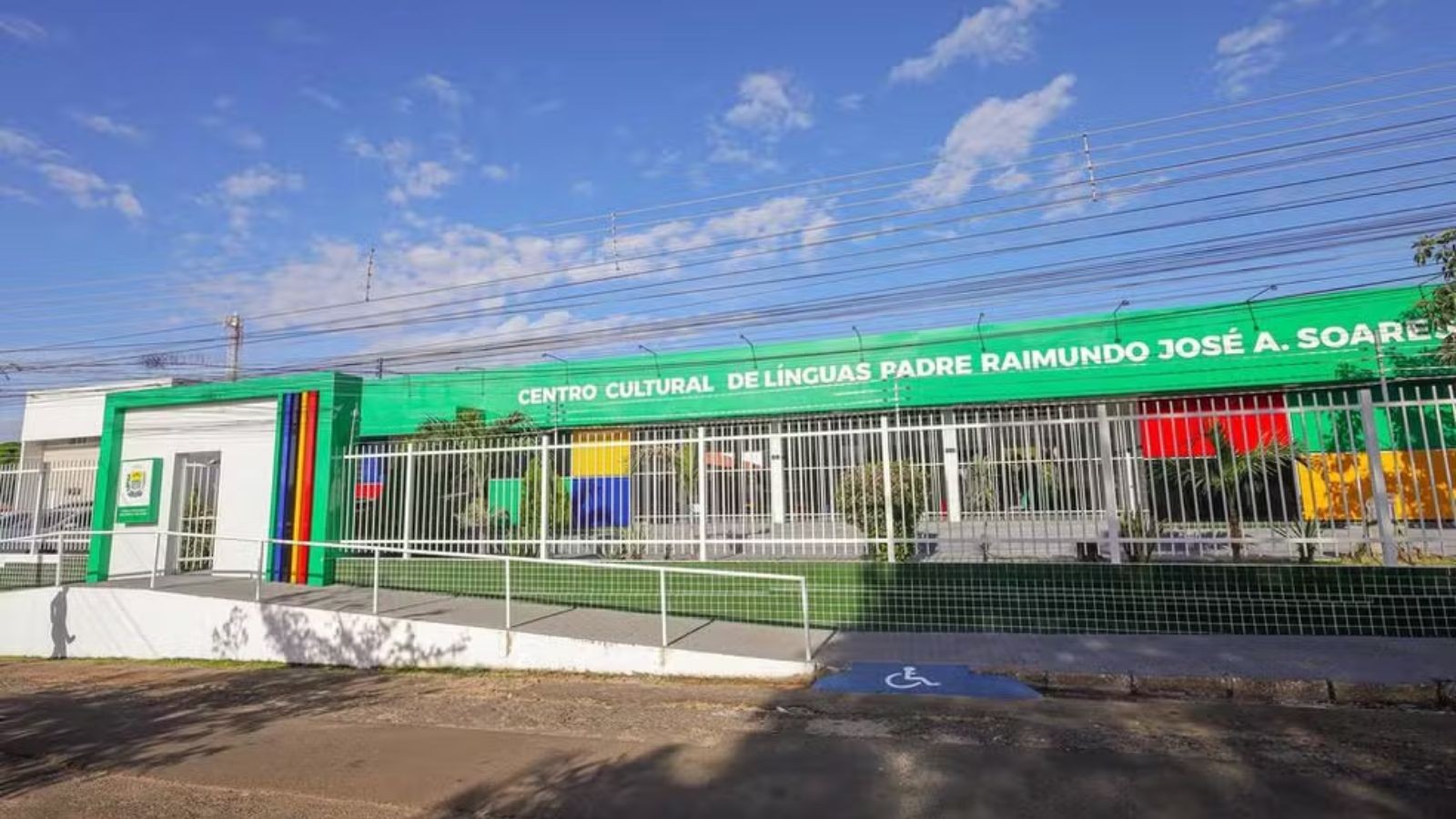
The Centro Cultural de Línguas (CCL) Padre Raimundo José in Teresina has opened registrations for 720 free spots in courses covering English, Spanish, French, Portuguese, Brazilian Sign Language (Libras), and writing. Registrations began on Thursday, July 30th, and are managed through the Gov.PI platform, accessible via web browser or app. Following online registration, candidates must confirm their enrollment in person at the Cultural Center. The courses are scheduled to commence on August 10th and are open to both public school students and the general community aged 14 and above. General community members are responsible for selecting their class schedule and purchasing educational materials, while public school students are exempt from this cost. In-person enrollment confirmation and class selection will occur on specific dates depending on the course: July 31st and August 3rd for English; August 4th for French and Spanish; and August 5th for Libras, Portuguese, and writing. August 6th and 7th are reserved for administrative tasks, including teacher workload distribution. The available spots are distributed as follows: 400 for English (100 morning, 200 afternoon, 100 evening), 100 for Spanish (60 afternoon, 40 evening), 20 for French (evening), 80 for Libras (20 morning, 40 afternoon, 20 evening), 60 for Portuguese (20 per shift), and 60 for writing (40 morning, 20 evening). Additionally, 190 spots are reserved for students who are retained or have a suspended enrollment, including 95 for English, 25 for Spanish, five for French, 20 for Libras, 30 for Portuguese, and 15 for writing.
This initiative by the Centro Cultural de Línguas in Teresina aims to broaden access to language education and essential communication skills, such as Libras and writing, for both students and the general public. By offering a significant number of free positions, the program addresses potential socioeconomic barriers to educational advancement. The tiered enrollment process and differentiated material cost policies acknowledge diverse participant needs. Looking ahead, such public-private partnerships for accessible education are crucial for fostering a more inclusive and skilled workforce, particularly in an era where multilingualism and effective communication are increasingly valued across global and digital platforms. The program's structure highlights the ongoing challenge of balancing resource allocation with demand for public services.
AI-generated to prompt reflection — not editorial opinion, not advice, not a statement of fact. How this works.