Teresina launches program to spay, microchip, and return stray animals
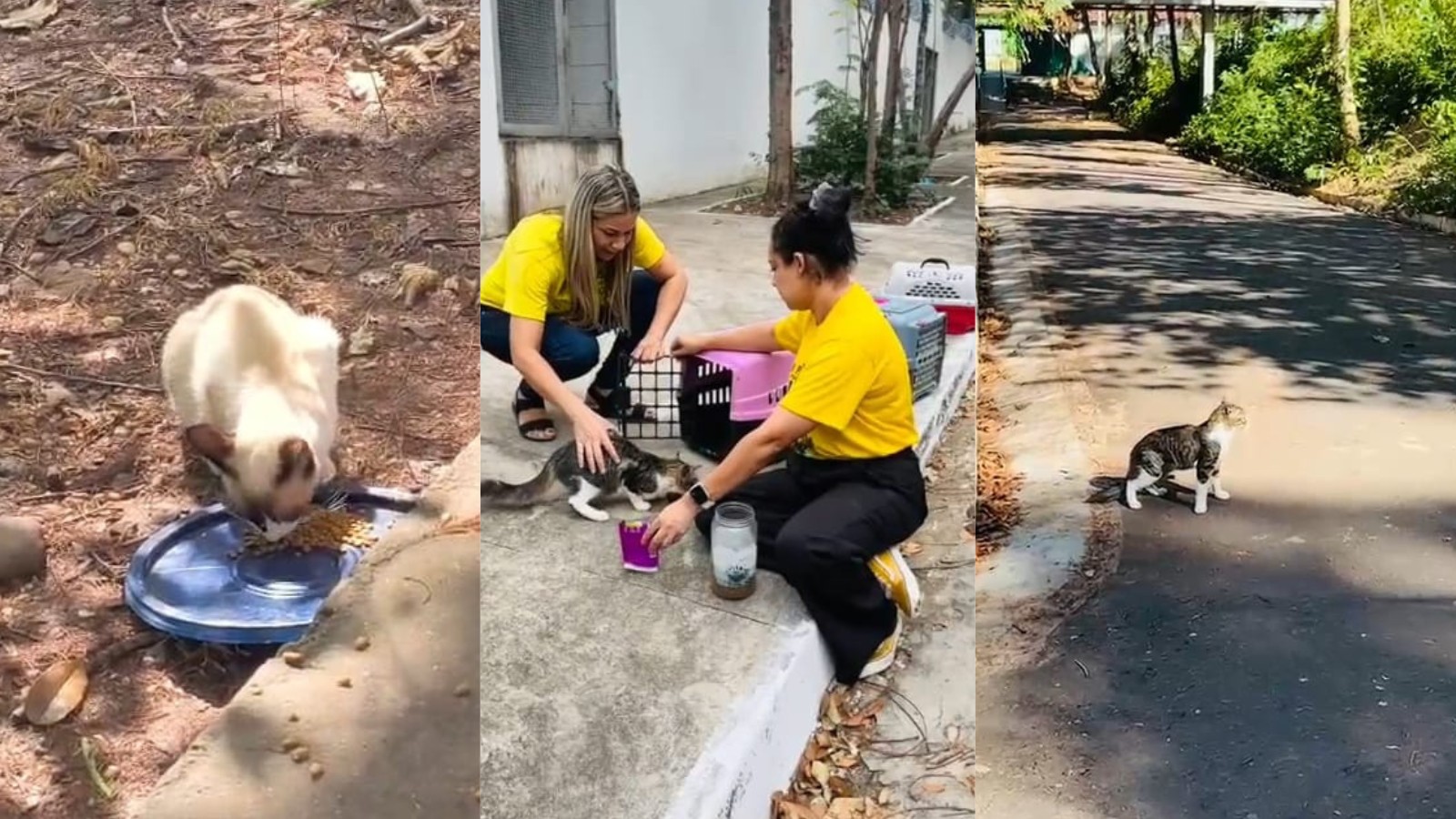
Teresina, Brazil, has initiated a pilot program to spay, microchip, and return stray cats and dogs to their original locations. This initiative, known as Capture, Sterilization, and Return (CED), is being conducted by the Animal Welfare Coordination (Cobea) under the Municipal Secretariat of Environment and Water Resources (Semam). The process involves capturing animals, performing sterilization surgeries, implanting microchips for identification, and marking the tip of their ears. The first phase of the project targeted eight cats in the city's North Zone, with plans for further captures. Animals eligible for the program must be strays or community animals, in good health, and no older than six years. Surgeries are performed at contracted private clinics, followed by a 10-day recovery period. Officials emphasize the importance of returning the animals to their original environments, where they are monitored by animal protectors and the community, ensuring their well-being and safety. Residents can nominate areas for the program's services through official Semam channels, including email and phone, with requests subject to evaluation and scheduling.
This program addresses the complex issue of urban animal populations through a humane and scientifically recognized method of population control. By focusing on sterilization and identification, it aims to manage stray animal numbers without removal from their established social and environmental niches, which can be crucial for their survival and integration. The inclusion of microchipping and ear marking provides a robust system for tracking and monitoring, crucial for evaluating the program's long-term efficacy and public health impact. Public engagement through service suggestions fosters community involvement and data collection, enhancing the program's reach and responsiveness. Future considerations might include expanding the age limit for participation or exploring partnerships for ongoing veterinary care, particularly as these animals continue to rely on community support and environmental resources.
AI-generated to prompt reflection — not editorial opinion, not advice, not a statement of fact. How this works.